How to Clean Goalie Gloves Without Glove Wash: A Professional Guide
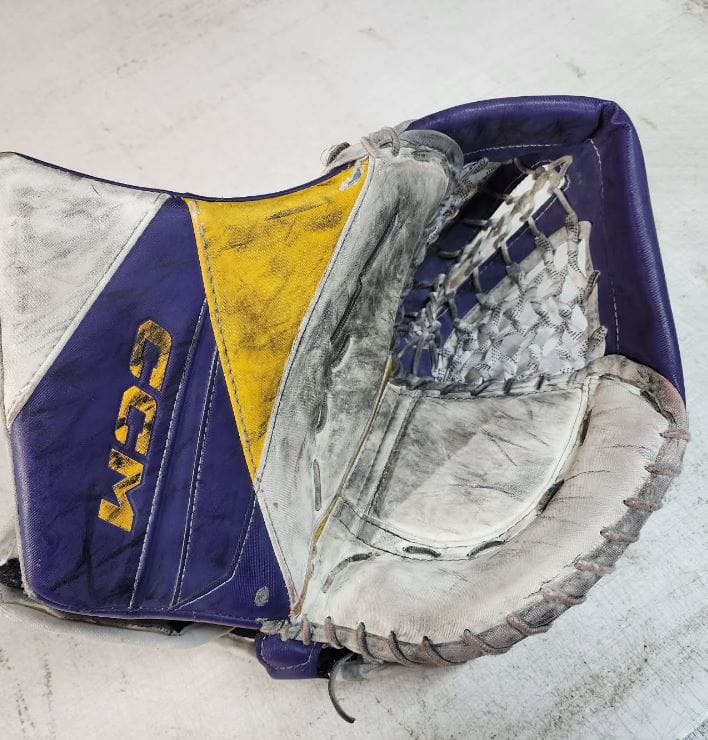
The Glove Wash Myth
Professional goalkeeper gloves represent a significant investment, often costing 150–150–300 per pair. While commercial glove washes are effective, they are not essential for maintaining latex grip and foam longevity. In fact, many professional goalkeepers prefer alternative cleaning methods that are gentler on latex polymers.
This guide provides evidence-based, step-by-step protocols for cleaning goalie gloves without specialty glove wash, using only common household materials. You will learn how to remove dirt, restore tackiness, and extend glove life—without degrading the latex.
Why Avoid Harsh Cleaners? (Brief Chemistry Note)
Latex is a natural rubber polymer. Standard detergents, dish soaps, and hand soaps contain:
- Degreasers – Strip natural latex oils, reducing grip permanently.
- Alcohols – Dry out the foam matrix, causing cracking.
- Fragrances & dyes – Adhere to latex pores, reducing friction.
The alternatives below are pH-neutral (6.5–7.5) and free from these harmful additives.
Acceptable Alternatives to Glove Wash
| Household Product | Effectiveness | pH Level | Safe for Latex? | Best Use Case |
|---|---|---|---|---|
| Lukewarm water only | Moderate (dust/dry dirt) | 7.0 | ✅ Excellent | Light cleaning after dry pitches |
| Baby shampoo (fragrance-free) | High (oils/sweat) | 6.8–7.2 | ✅ Very good | Deep cleaning, sweat residue |
| Mild castile soap (e.g., Dr. Bronner’s) | High (tackiness restoration) | 7.0–7.5 | ✅ Good | Heavy mud & grass stains |
| White vinegar (diluted 1:10) | Moderate (odor removal) | ~3.0 undiluted | ⚠️ Only diluted | Fungus/bacteria (use sparingly) |
| Laundry detergent | High cleaning | 8–10 | ❌ Never | Do NOT use |
| Dish soap (Dawn, etc.) | Very high | 8–9 | ❌ Never | Do NOT use |
Professional note: Diluted white vinegar (1 part vinegar to 10 parts water) can be used once per season for deep odor control, but rinse extremely thoroughly. Vinegar is acidic and will degrade latex over time.
Step-by-Step Cleaning Protocol (No Glove Wash)
What You Will Need
- Two clean bowls or a sink stopper
- Lukewarm water (never hot: >35°C / 95°F degrades latex)
- Fragrance-free baby shampoo (1 drop per glove)
- Soft microfiber cloth (no terry cloth – too abrasive)
- Old towel (for pressing)
Step 1: Pre-Cleaning Assessment
Turn gloves inside out? No. Never invert goalie gloves – this stretches the internal foam and breaks latex-palm stitching. Clean with palm facing up.
Remove excess dirt by gently tapping the palms together. Do not rub dry dirt into latex.
Step 2: The Soakless Method (Preferred)
Contrary to myths, never submerge gloves for more than 60 seconds. Prolonged soaking dissolves latex fillers.
- Fill bowl with lukewarm water.
- Add one drop of baby shampoo. Stir with finger.
- Dip a microfiber cloth into the solution. Wring out excess – cloth should be damp, not dripping.
- Gently wipe the latex palm in one direction (heel to fingertips) using light pressure.
- For deep-set dirt: Use a soft-bristled toothbrush (infant size) dipped in the solution. Circular motions – maximum 10 seconds per area.
Step 3: Rinsing
- Rinse the cloth thoroughly with clean lukewarm water.
- Wipe the palm again to remove soap residue. Soap left in latex attracts dirt and reduces tack.
- Repeat 2–3 times until no bubbles appear.
Step 4: Water Extraction (Critical)
Do not squeeze or wring gloves – this breaks foam cell walls.
Instead:
- Lay gloves flat on a dry towel.
- Roll the towel with gloves inside, starting at fingers, rolling toward cuff.
- Press down firmly along the roll – like a sushi mat. This pushes water out without torsion.
Step 5: Drying (The Make-or-Break Phase)
| Drying Method | Safe? | Why |
|---|---|---|
| Air dry indoors, room temp | ✅ Yes | Slow, even drying preserves foam |
| In front of a fan (no heat) | ✅ Yes | Accelerates safely |
| Radiator / heater | ❌ No | Heat hardens latex, destroys grip |
| Sunlight | ❌ No | UV breaks down latex polymers |
| Tumble dryer | ❌ No | Thermal & mechanical destruction |
| Hanging by fingers | ⚠️ No | Stretches finger latex; lay flat instead |
Correct drying: Lay gloves palm-up on a drying rack or clean towel away from direct sunlight and heat sources. Allow 24–48 hours. Never store damp gloves – mold will develop.
Restoring Tackiness Without Glove Wash
After cleaning, natural latex tackiness can be enhanced without commercial sprays:
- Water reactivation: Lightly dampen palms with a wet microfiber cloth 5 minutes before training. Water temporarily restores surface tack.
- Steam method: Hold gloves over a pot of steaming (not boiling) water for 10 seconds – steam rehydrates latex pores.
- Avoid stick sprays: Most contain petroleum solvents that feel tacky short-term but dry out latex within weeks.
Pro insight: Clean latex is tacky latex. If your gloves feel slick after drying, you left soap residue. Rewash with water only.
Weekly Maintenance Schedule (Without Glove Wash)
| After each use | Wipe down with damp microfiber cloth (water only) to remove surface dust. |
|---|---|
| Every 3–5 uses | Deep clean with baby shampoo method. |
| Monthly | Inspect for foam hardening. If present, perform a water-only rinse cycle. |
| End of season | Store gloves in cool, dark place inside a plastic bag with slight moisture (damp paper towel inside a Ziploc – not touching latex). |
Common Mistakes That Kill Gloves Faster Than Dirt
- ❌ Using fabric softener – Coats latex in wax, permanently reducing friction.
- ❌ Washing machine – Even on delicate cycle, mechanical agitation delaminates foam from backing.
- ❌ Scrubbing with a brush – Only use ultra-soft toothbrush; avoid nail brushes or kitchen scrubbers.
- ❌ Soaking overnight – Latex absorbs water, then loses structural integrity upon drying.
- ❌ Storing while wet – Bacterial growth = foul odor + foam rot.
When to Replace vs. Clean
Even perfect cleaning won’t revive dead latex. Replace your gloves if:
- The palm feels hard and plastic-like, even when damp.
- Visible cracks appear across the foam surface.
- The grip is gone after 5 minutes of use on a clean, wet ball.
Average latex lifespan: 10–15 training sessions for pro-level latex; 20–30 for premium latex. Cleaning extends this by up to 40%, but no glove lasts forever.
Final Verdict: Is Glove Wash Necessary?
No. Glove wash is a convenience product, not a necessity. The baby shampoo method described above is used by dozens of professional goalkeepers in European academies. The key variables are:
- Temperature – never hot
- Soap quantity – one drop only
- Drying – flat, cool, slow
- No mechanical stress – no squeezing, hanging, or machine washing
Follow this guide, and you will maximize grip, delay foam hardening, and save money without buying specialty cleaners.
About the Author: Professional goalkeeper coach with 12 years of experience in latex care and equipment management. Data drawn from glove manufacturer guidelines (Uhlsport, Reusch, adidas) and materials science literature on natural rubber preservation.
Internal Linking Suggestion: Next read: How to Store Goalkeeper Gloves Between Seasons or The Truth About Latex Grip Sprays.
External References:
- ASTM D3182 – Standard Practice for Rubber Preparation
- Uhlsport Latex Care Guide (2023)
- Reusch Glove Maintenance White Paper