Safe Cleaning Habits When Preparing Your Home for Pregnancy

There’s more to preparing your home for pregnancy than just stocking up on vitamins and arranging a nursery. It also entails examining the common cleaning supplies you use on a daily basis. Making a few deliberate adjustments now might help create a safer environment for you and your future child, as some of them may be causing more harm than you think.
Why Household Chemicals Become a Bigger Concern Before and During Pregnancy
When you are pregnant or actively trying to conceive, your body is doing something extraordinary. Hormones are shifting, cells are dividing, and tiny but critical processes are happening all the time. During this period, the body can become more sensitive to outside influences, including the chemicals found in ordinary cleaning products.
Many conventional cleaners contain substances that can irritate the respiratory system, affect hormone levels, or put unnecessary strain on the liver and kidneys. In early pregnancy, especially when many women do not yet know they are expecting, exposure to certain chemicals may affect fetal development in ways that are hard to reverse.
This is also a good time to pay closer attention to your overall health picture. Many women who are trying to conceive use a fertility tracker to monitor their cycle and understand their body better. Combining that kind of awareness with a safer home environment is a very sensible approach to preconception health.
Cleaning Products to Avoid When You Are Trying to Conceive
Not all cleaning products carry the same level of risk, but some ingredients are worth avoiding altogether when you are planning a pregnancy.
Bleach is one of the most common concerns. When used in enclosed spaces or mixed with other products, it releases fumes that can irritate the lungs and airways. Ammonia, found in many glass and surface cleaners, has a similar effect and can be particularly harsh when ventilation is poor.
Phthalates are chemicals often used to carry fragrance in cleaning sprays, air fresheners, and scented products. They are known to interfere with hormone function and are best avoided as much as possible. Synthetic fragrances in general are worth treating with caution, since the ingredients behind them are rarely listed on the label. Aerosol sprays are another category to limit, as they release fine particles that are easy to inhale without noticing.
Natural and Safer Alternatives That Actually Clean Well
Switching to safer products does not mean accepting a less clean home. There are plenty of natural options that work very effectively and do not carry the same risks.
White vinegar is one of the most useful things you can keep in your kitchen. Diluted with water, it cuts through grease, removes limescale, and disinfects surfaces without any harsh fumes. Baking soda is excellent for scrubbing sinks, tubs, and tiles. It removes stains and odours without scratching surfaces.
Castile soap, made from plant oils, is a gentle but effective cleaner that works on floors, countertops, and even laundry. There are also many certified natural cleaning products on the market now that are specifically formulated to be free from harmful chemicals. Look for products that list all their ingredients clearly and carry a recognised certification.
Rooms and Areas in Your Home That Need the Most Attention
Some rooms in the home tend to accumulate more chemical exposure than others and deserve a bit more focus when you are rethinking your cleaning routine.
The bathroom is typically where the strongest products get used. Toilet cleaners, mould sprays, and tile products often contain bleach or harsh acids. Switching to gentler alternatives here makes a noticeable difference. The kitchen is another high-priority area, particularly the surfaces where food is prepared. Residue from cleaning sprays can easily transfer to food if surfaces are not rinsed thoroughly.
The future nursery deserves special attention. If you are painting or renovating the room, try to do it well in advance and choose low-VOC paints. Once the room is ready, clean it only with mild, natural products. Your bedroom is also worth considering, since you spend so many hours there and air quality during sleep matters more than most people realise.
Simple Habits That Reduce Chemical Exposure While Cleaning
Beyond choosing better products, how you clean also makes a difference. Always open windows when cleaning, even in colder months. Good ventilation helps disperse any fumes quickly and keeps the air in your home fresh.
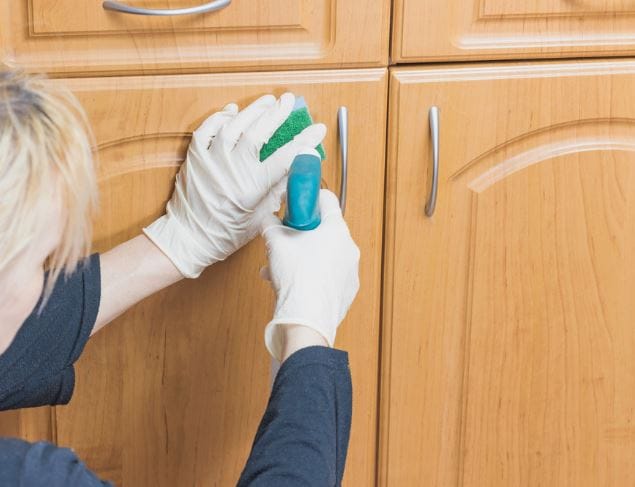
Wear rubber gloves when handling any cleaning product, even natural ones. Avoid mixing products together, as this can create unexpected chemical reactions. Try to clean in shorter sessions rather than spending a long time in a small enclosed space. If you are already pregnant and there are tasks that involve particularly strong products, it is perfectly reasonable to ask your partner or someone else to take them over for a while.
Summary
Preparing your home for pregnancy does not have to feel overwhelming. The changes do not need to happen all at once, and perfection is not the goal. Start by swapping out the products you use most often, pay attention to the rooms where chemical exposure is highest, and build small habits like ventilating and wearing gloves. These are simple steps, but together they create a meaningfully safer environment. Your home should be a place where you feel comfortable and cared for, especially during one of the most important times in your life.