How to Clean Sunscreen Off Car Interior: A Professional Guide
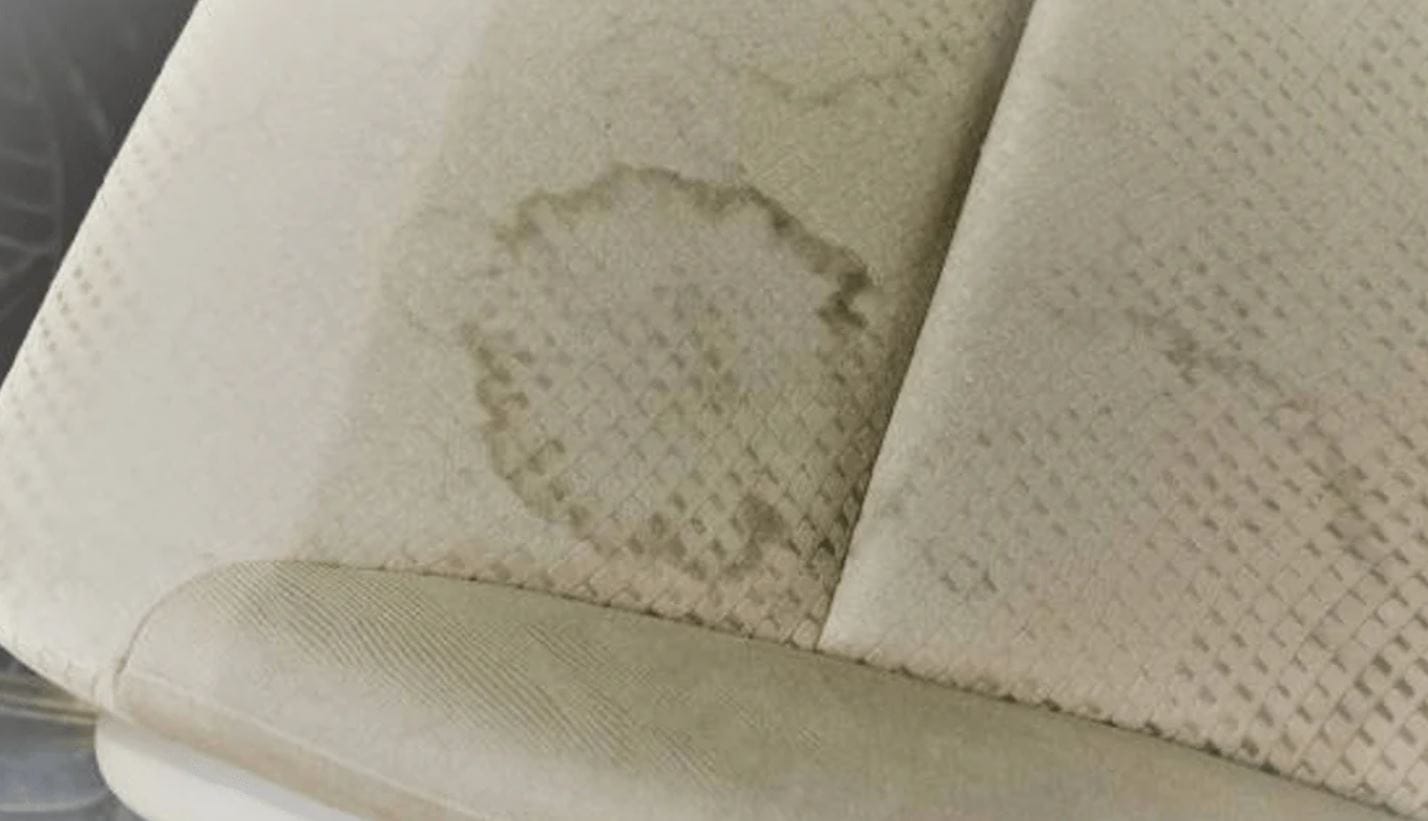
Sunscreen is essential for skin protection, but its chemical composition—particularly mineral blockers like zinc oxide and titanium dioxide or organic (chemical) filters like avobenzone—can be destructive to automotive interiors. When transferred from skin or bottles, sunscreen leaves greasy, white residues that attract dirt, degrade leather and vinyl, and become baked onto surfaces by UV heat.
This guide provides a step-by-step, material-specific approach to removing sunscreen stains without damaging your car’s interior.
Why Sunscreen Is Particularly Harmful to Car Interiors
Unlike water-based spills, sunscreen uses lipophilic (oil-attracting) emollients and film-formers. These bond with porous and non-porous surfaces alike. Heat accelerates oxidation, turning fresh sunscreen into a stubborn, yellowed layer that can permanently lighten or crack soft materials.
| Sunscreen Ingredient | Damage Mechanism | Common Interior Material Affected |
|---|---|---|
| Zinc oxide / Titanium dioxide | Abrasive microparticles; leaves white chalky film | Leather, Alcantara, plastic trim |
| Avobenzone / Oxybenzone | Oxidizes plasticizers; causes sticky residue | Vinyl, dashboard surfaces |
| Emollients (e.g., isopropyl myristate) | Penetrates coatings; weakens adhesives | Stitching, perforated leather |
Immediate Action: First 10 Minutes After a Spill
Speed is critical. Follow this protocol before any cleaning agent is applied:
- Blot, don’t rub – Use a microfiber cloth to lift excess sunscreen. Rubbing drives particles into pores.
- Cool the surface – Park in shade or use a sunshade. Heat thickens the residue.
- Test cleaners – Always test on a hidden area (e.g., under seat or inside glovebox).
Material-Specific Cleaning Methods
1. Leather Seats (Finished Leather)
Professional detailing standards dictate using pH-neutral products (pH 5.0–7.0). Alkaline soaps will strip the factory topcoat.
Recommended process:
- Dilute leather-safe cleaner (e.g., Leather Masters Soft Cleaner) 10:1 with distilled water.
- Apply with a soft foam pad using light circular motions.
- Wipe with damp microfiber, then dry immediately.
- Follow with a non-greasy leather conditioner.
Avoid: Baby wipes, vinegar, dish soap, or “leather wipes” containing alcohol.
2. Fabric / Cloth Seats
Sunscreen acts like a wax on fibers. Oil-dissolving surfactants are required.
Method:
- Vacuum the area first to remove loose particles.
- Apply a 1:1 mix of distilled water and isopropyl alcohol (70%) to a white towel; blot.
- If stain persists: Use an enzyme-based upholstery cleaner (designed for body oils).
- Extract with a wet/dry vacuum or steam cleaner at low pressure.
Warning: Alcohol can fade some dyes. Test first.
3. Vinyl / Dashboard / Door Panels
Sunscreen often causes a white haze on vinyl. The key is emulsification without swelling the material.
Process:
- Mix 2 cups warm water + 1 tsp mild dish soap (e.g., Dawn).
- Apply with a soft nylon brush (toothbrush style).
- Rinse with damp microfiber, no soaking.
- Apply 303 Aerospace Protectant to restore UV blockers.
4. Plastic Trim (Unpainted, Textured)
Mineral sunscreens turn textured plastic permanently white if not treated correctly. Do not use oil-based dressings, which create a greasy magnet for more dirt.
Solution:
- Use a magic eraser dampened only — very light pressure.
- Follow with plastic prep spray (e.g., CarPro Eraser).
- For stubborn cases: Apply diluted all-purpose cleaner (10:1) and agitate with a soft detailing brush.
Comparison of Commercial Sunscreen Removers
Below is a comparison of professional-grade products vs. DIY solutions. Professional products are recommended for high-value or light-colored interiors.
| Product / Method | Best For | Safety Level | Ease of Use | Cost per Use |
|---|---|---|---|---|
| Gtechniq W5 Citrus Foam | Leather, plastic | Very high (pH 6.5) | Moderate | $2.50 |
| P&S Xpress Interior Cleaner | Fabric, vinyl | High (no solvents) | High | $1.00 |
| DIY: Isopropyl alcohol (70%) + water | Quick spot cleaning | Moderate (can dry leather) | High | $0.10 |
| DIY: Dish soap + water | Vinyl only | Low (strips coatings) | High | $0.05 |
| Meguiar’s D101 All-Purpose Cleaner | Heavy stains on durable trim | Moderate (dilute 10:1) | High | $0.80 |
Verdict: For leather, use P&S Xpress or Gtechniq. For fabric, isopropyl alcohol works, but follow with a gentle rinse. Avoid dish soap on leather or Alcantara.
Step-by-Step Deep Cleaning Protocol for Severe Cases
When sunscreen has baked on for weeks or months, follow this multi-pass method:
- Pre-treat with a citrus degreaser – Spray lightly on a microfiber, not directly on seat. Let dwell 30 seconds.
- Agitate with a soft boar’s hair brush – Focus on grain lines and stitching.
- Extract with a steam cleaner – Use a microfiber bonnet at 220°F (max) for leather; 180°F for fabric.
- Repeat with a pH-neutral cleaner – Neutralizes any alkaline residue.
- Dry aggressively – Use a compressed air gun or dry microfiber to pull moisture from seams.
Professional note: Do not use a pressure washer inside the car. Do not use acetone, nail polish remover, or bleach.
Preventing Sunscreen Damage
Prevention is the most effective strategy. Implement these measures:
| Prevention Tool | Effectiveness | Interference with Seat Heaters/Vents |
|---|---|---|
| Microfiber seat covers (washable) | 95% | Low – buy perforated versions |
| Ceramic coating for interior leather | 85% | None – aftermarket spray-on |
| Applying sunscreen 10+ minutes before driving | 70% | N/A |
| Keeping a towel in car for arms/legs | 90% | None |
For frequent beach-goers or rideshare drivers, install UV-protective, fitted seat covers from brands like Coverking or Wet Okole.
When to Call a Professional Detailer
Seek professional help if:
- The stain has discolored perforated leather (holes trap sunscreen).
- The surface feels sticky or tacky after cleaning (plasticizers are degrading).
- You have Alcantara® (suede-like microfiber) – it requires dry-cleaning solvents.
A professional auto detailer will use a heated extractor and specific chemical agents (e.g., Gyeon Leather Cleaner Strong) that are not available to consumers. Expect to pay 75–75–150 per seat for deep sunscreen removal.
Summary Checklist
- Leather – pH-neutral cleaner + conditioner. No dish soap.
- Fabric – Isopropyl alcohol (50-70%) or enzyme cleaner. Extract.
- Vinyl/plastic – Mild soap + soft brush, then UV protectant.
- Never – Rub aggressively, use bleach, or leave sunscreen to bake.
By acting quickly and using the correct chemistry for your interior material, you can restore the original finish and prevent long-term damage. Bookmark this guide and keep a small bottle of pH-neutral interior cleaner in your glove compartment—your car’s resale value will thank you.