How to Clean Door Knobs with Rubbing Alcohol: A Professional Guide to Hygiene & Maintenance
In both residential and commercial settings, door knobs are among the most frequently touched surfaces—yet they remain one of the most overlooked cleaning targets. Studies indicate that a single door knob can harbor up to 200+ bacteria per square centimeter, including rhinoviruses and influenza strains.
Rubbing alcohol (isopropyl alcohol) is widely recognized by infection control specialists as an optimal cleaning agent for hardware. This guide provides a step-by-step protocol, efficacy comparisons, and safety tables to ensure thorough, damage-free disinfection.
Why Rubbing Alcohol? A Chemical Rationale
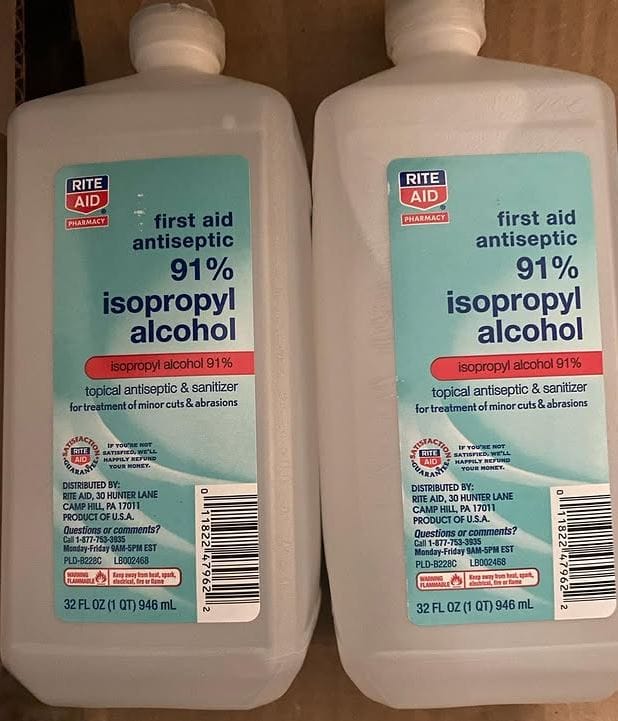
Rubbing alcohol (70%–91% isopropyl alcohol) denatures proteins and dissolves lipid membranes of pathogens. Unlike abrasive cleaners or excessive moisture, it evaporates rapidly, reducing the risk of rust or damage to internal locking mechanisms.
| Concentration | Efficacy | Evaporation Rate | Best Use Case |
|---|---|---|---|
| 70% Isopropyl | Optimal for disinfection (slower evaporation increases contact time) | Moderate | Daily sanitizing of high-touch knobs |
| 91% Isopropyl | Superior for grease/oil removal | Very fast | Pre-paint prep or heavy residue |
| 99% Isopropyl | Solvent-grade | Immediate | Not recommended—evaporates before killing pathogens |
Professional recommendation: Use 70% isopropyl alcohol for general door knob disinfection.
Materials Required
- 70% rubbing alcohol (in a spray bottle or lint-free wipes)
- Microfiber cloths (color-coded for cleaning vs. drying)
- Cotton swabs (for crevices)
- Disposable gloves (nitrile recommended)
- Optional: Toothbrush with soft bristles
Step-by-Step Cleaning Protocol
Step 1: Pre-Cleaning Assessment
Remove visible dirt or grime with a dry microfiber cloth. Alcohol is not a detergent; it disinfects but does not remove heavy soil.
Step 2: Application Method
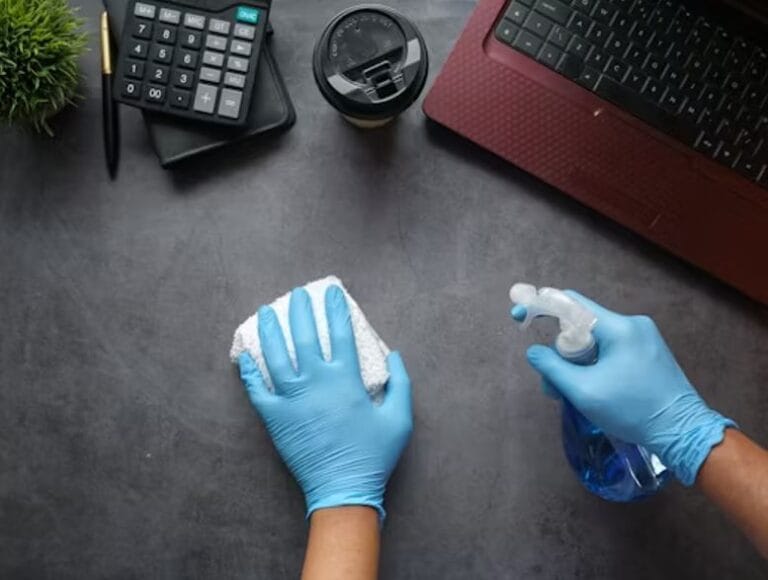
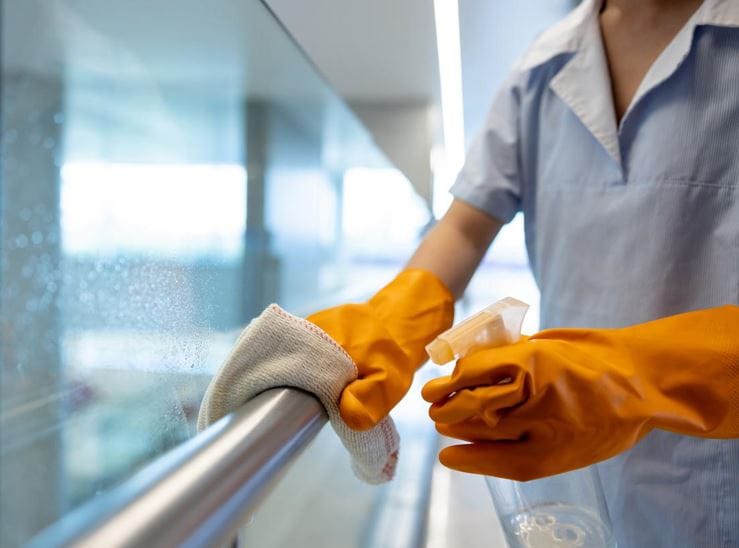
- Spray method: Spray alcohol directly onto a microfiber cloth (never directly onto the knob to prevent liquid ingress into keyholes).
- Wipe method: For ornate knobs, pre-moisten cloth and wrap around the surface.
Step 3: Contact Time
To ensure microbial kill, maintain visible wetness on the surface for 30–60 seconds (per CDC guidelines for isopropyl alcohol).
Step 4: Mechanical Action
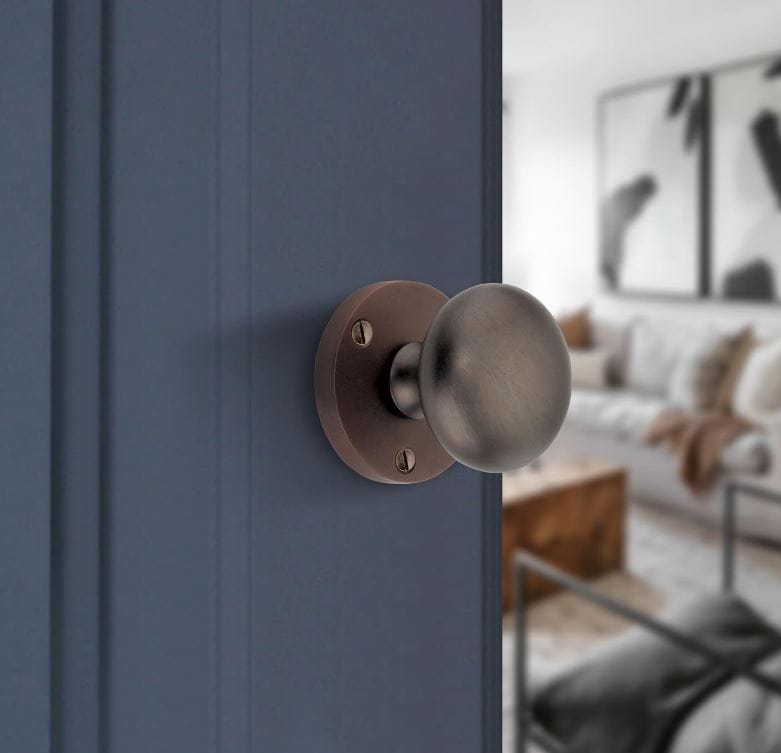
Wipe the entire knob, including:
- Front and back surfaces
- Stem and base plate (escutcheon)
- Keyhole or thumb latch
- Door edge around the strike plate
Step 5: Drying & Inspection
Allow to air dry completely (2–3 minutes). No rinsing required.
Comparative Table: Rubbing Alcohol vs. Alternative Cleaners
| Cleaner | Efficacy Against Viruses | Material Safety (Brass/Steel) | Residue | Drying Time |
|---|---|---|---|---|
| 70% Rubbing alcohol | High (enveloped viruses) | Safe (if dried properly) | None | <2 min |
| Bleach (diluted) | Very high | High corrosion risk on metals | Salt residue | 5–10 min |
| Vinegar | Low (ineffective vs. many viruses) | Safe but acidic | Odor | 3–5 min |
| Antibacterial wipes (quaternary ammonium) | Moderate | Often safe | Sticky residue | 1–2 min |
| Soap & water | Moderate (mechanical removal) | Very safe | None | Needs rinsing |
Verdict: Rubbing alcohol offers the best balance of rapid drying, broad-spectrum disinfection, and no corrosive residue—provided the knob material is compatible.
Material Compatibility Warnings
Not all door knobs respond identically to alcohol. Below is a professional compatibility matrix:
| Base Material | Finish Type | Safe for Alcohol? | Precaution |
|---|---|---|---|
| Solid brass | Polished, satin | Yes | Wipe dry; avoid prolonged wetness |
| Stainless steel | Brushed, mirror | Yes | No special care |
| Zinc alloy | Chrome or nickel plated | Yes | Test on inconspicuous area first |
| Bronze | Oil-rubbed, antique | Conditional | Alcohol may remove patina. Use sparingly |
| Glass or crystal | Clear, etched | Yes | Avoid ammonia-based products, but alcohol fine |
| Plastic/composite | Painted or faux wood | No | Alcohol can cause clouding or cracking |
| Antique ceramic | Glazed | Conditional | Use only if glaze intact; no soaking |
Frequency of Cleaning
According to CDC and OSHA guidelines for high-touch surfaces:
| Environment | Minimum Cleaning Frequency | With 70% Alcohol |
|---|---|---|
| Home (family) | Weekly | ✔ Adequate |
| Home (ill member) | Twice daily | ✔ Recommended |
| Office (shared) | Daily | ✔ Required |
| Medical clinic | After each patient | ✔ Mandatory |
| Restaurant kitchen | Every 2–4 hours | ✔ Ideal |
Common Mistakes to Avoid
- Using high-concentration alcohol (≥91%) on plastics – Causes stress cracking.
- Spraying directly into keyholes – Can dry out internal lubricants.
- Wiping immediately after application – Reduces contact time below kill threshold.
- Mixing alcohol with bleach – Produces chloroform and hydrochloric acid vapors.
- Cleaning only the knob face – Pathogens persist on rear surfaces and base plates.
Professional FAQ
Q: Can I use rubbing alcohol on smart door knobs (electronic fingerprint or keypads)?
A: Yes, but apply to cloth only. Avoid moisture near electronic joints. Many manufacturers (e.g., Schlage, Yale) explicitly approve 70% isopropyl for capacitive sensors.
Q: Will alcohol remove germs better than heat or UV?
A: For surface disinfection, alcohol is faster than UV (requires line-of-sight) and safer than heat (which damages finishes).
Q: How should I store rubbing alcohol for cleaning use?
A: In a tightly sealed opaque container at room temperature, away from flames or sparks. Replace opened bottles after 24 months for full efficacy.
Conclusion
Cleaning door knobs with 70% rubbing alcohol is a scientifically validated, cost-effective, and material-safe method when performed correctly. Follow the contact time of 30–60 seconds, prioritize high-touch zones, and respect material limitations. For facilities or homes requiring infection control, this protocol exceeds standard hygienic benchmarks without the damage associated with bleach or abrasives.
Final recommendation: Integrate alcohol-based knob cleaning into your weekly rotation—and daily during flu season or illness outbreaks.