How to Clean Silhouette Blinds: A Professional Guide to Maintenance and Care
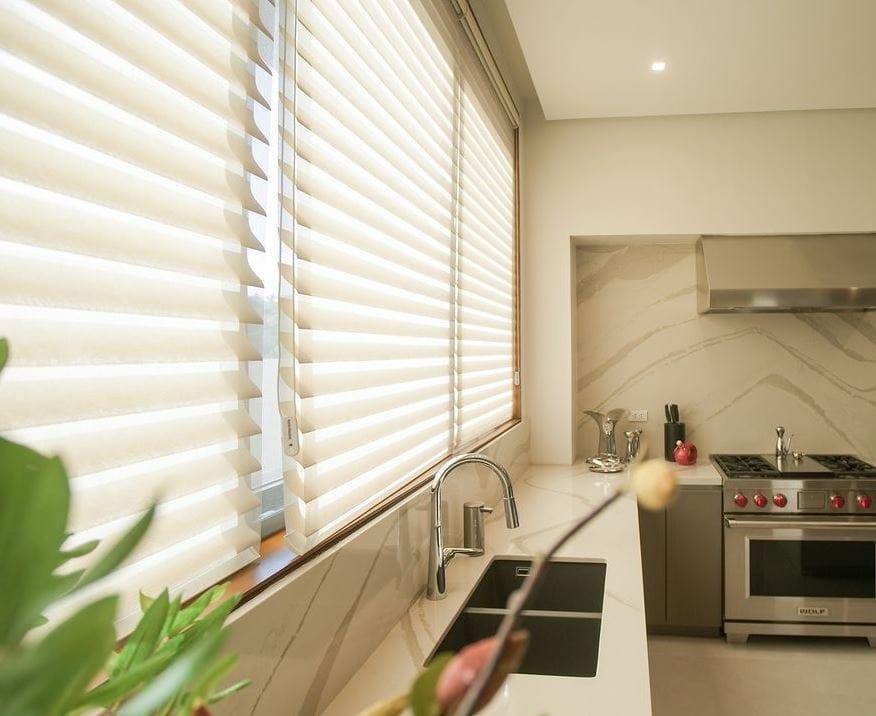
Silhouette blinds (often generically referred to as “sheer shadings” or “fabric honeycomb blinds with horizontal slats”) are a premium window treatment. Their unique design—suspended fabric vanes between two sheer panels—creates a soft, diffused light effect but also presents a specific cleaning challenge.
Improper cleaning can permanently crease the fabric, damage the vanes, or void your warranty. This guide provides a professional, step-by-step methodology for routine maintenance, spot cleaning, and deep cleaning.
Why Standard Cleaning Methods Fail
Unlike Venetian blinds (rigid metal or wood) or roller shades (single fabric sheet), Silhouette blinds trap dust between the front and back sheer panels. Simply wiping the outside with a cloth or using a feather duster often pushes dust deeper into the cell structure.
| Common Mistake | Potential Damage |
|---|---|
| Using a vacuum brush attachment | Bent or creased fabric vanes |
| Spraying liquid cleaner directly | Water spots, mold between sheer layers |
| Immersion washing (soaking) | Fabric shrinkage, vane detachment |
| High-pressure compressed air | Ripped sheer panels |
Required Tools & Preparation
Before starting, gather the following professional-grade tools:
- Microfiber duster (static-charged)
- Handheld vacuum with a crevice tool and vent brush (soft bristles)
- Compressed air canister (camera lens grade, 5–10 PSI max)
- Two lint-free white cloths (no dyes or prints)
- Distilled water
- Mild dish soap (free of bleach, lanolin, or citrus oils)
- Clean spray bottle (fine mist setting)
⚠️ Warning: Always lower the blinds completely to their full extension before cleaning. Never clean Silhouette blinds while they are partially raised—this stresses the ladder cords and fabric tension.
Step-by-Step Cleaning Protocols
Phase 1: Routine Dry Cleaning (Every 2–4 Weeks)
For homes with average dust levels, dry cleaning is sufficient 90% of the time.
- Static Dusting: Gently run a microfiber duster horizontally across the bottom rail and then vertically from top to bottom. Do not apply pressure—let static electricity lift surface dust.
- Low-Suction Vacuuming: Attach the soft vent brush to your handheld vacuum. Set suction to the lowest setting. Hold the nozzle 1 cm away from the fabric and move in slow, overlapping vertical passes.
- Crevice Tool Pass: Use the crevice tool along the headrail and bottom rail seams to remove accumulated debris.
Phase 2: Spot Cleaning (Stains & Fingerprints)
| Stain Type | Solution | Application Method |
|---|---|---|
| Dust/Soil marks | Dry microfiber | Light blotting, no rubbing |
| Food/grease | Mild soap + distilled water (1:20 ratio) | Dab cloth, blot stain, then blot dry |
| Ink/pigment | Professional dry cleaning (do not DIY) | Refer to manufacturer |
| Water spots | Distilled water only | Dampen cloth, blot, dry immediately |
Procedure for spot cleaning:
- Mix 1 teaspoon mild dish soap with 20 teaspoons distilled water.
- Dampen (do not soak) a white cloth.
- Blot the stain from the outside of the sheer fabric. Never reach between the sheer panels.
- Immediately blot with a dry cloth. Air dry for 2 hours before raising blinds.
Phase 3: Deep Cleaning (Every 6–12 Months)
Deep cleaning is required when a gray haze appears between the vanes or after construction/renovation dust.
Method A – Compressed Air (for light interstitial dust)
- Lower blinds fully.
- From the side of the blind (looking into the cells), direct short bursts of compressed air (max 10 PSI) at a 45° angle.
- Work from top to bottom. Dust will exit the opposite side.
Method B – Professional Trough Cleaning (for heavy soil)
This method is only for blinds that are fully removable and designed for wet cleaning (check your manufacturer label).
- Remove the blind from brackets according to your manual.
- Fill a bathtub with lukewarm water (max 30°C / 85°F). Add 1 tbsp mild detergent.
- Lay the blind flat. Gently agitate the water through the fabric with your palms—do not scrub.
- Drain, then rinse with a shower hose (low pressure).
- Roll the blind in a dry towel to extract water. Do not wring.
- Rehang while fully wet. Allow 24–48 hours to dry completely.
Comparison of Cleaning Methods
| Method | Effectiveness on Vanes | Risk Level | Time Required | Best For |
|---|---|---|---|---|
| Static microfiber duster | Low (surface only) | None | 5 min | Weekly maintenance |
| Handheld vacuum (soft brush) | Moderate | Low | 10 min | Monthly routine |
| Compressed air (side angle) | High (inter-vane dust) | Medium (if pressure too high) | 15 min | Post-construction / dry dust |
| Damp blotting (spot clean) | Low (stains only) | Low | 5 min | Localized stains |
| Full immersion trough wash | Very high (all surfaces) | High (shrinkage risk) | 2+ hours | Annual deep clean (if fabric allows) |
Professional vs. DIY: When to Call an Expert
| Condition | DIY Possible? | Professional Recommended? |
|---|---|---|
| Routine dust | ✅ Yes | ❌ No |
| Small water-based stain | ✅ Yes | ❌ No |
| Yellowing from cigarette smoke | ❌ No (can set odor) | ✅ Yes (ultrasonic cleaning) |
| Mold between sheer layers | ❌ No (risk of spreading spores) | ✅ Yes (biocide treatment) |
| Bent or creased vanes | ❌ No | ✅ Yes (re-stringing and tensioning) |
| Fabric detached from rail | ❌ No | ✅ Yes (requires factory adhesive) |
Manufacturer-Specific Notes
- Hunter Douglas Silhouette®: Do not use any liquid other than water. Vacuum only with the Hunter Douglas Cleaning Brush accessory. Warranty voided by immersion washing.
- Luminette® Privacy Sheers: Use a garment steamer (held 12 inches away) to release light wrinkles—do not use on standard Silhouette.
- Generic/Private label: Test any cleaning method on a 2-inch section of bottom rail fabric first. Many budget versions use non-woven polyesters that shrink.
Preventative Maintenance Schedule
To maximize time between deep cleans:
| Interval | Action |
|---|---|
| Weekly | Light dusting with microfiber |
| Monthly | Vacuum with vent brush; check for stains |
| Quarterly | Rotate blinds fully open/closed to redistribute dust |
| Annually | Professional inspection or controlled compressed air cleaning |
Final Verdict
For most homeowners, the optimal routine is: *Weekly microfiber dusting + monthly low-suction vacuuming + compressed air cleaning every 6 months.* Avoid all liquid cleaners unless spot-treating a specific stain. When in doubt, refer to your blind’s care tag—if it says “dry clean only,” treat it like a tailored suit, not a dishrag.
By following this professional protocol, your Silhouette blinds will retain their original shape, light-diffusing clarity, and fabric integrity for 10+ years.