How to Clean Up Acorns From Your Yard: A Professional Guide to Efficient Removal
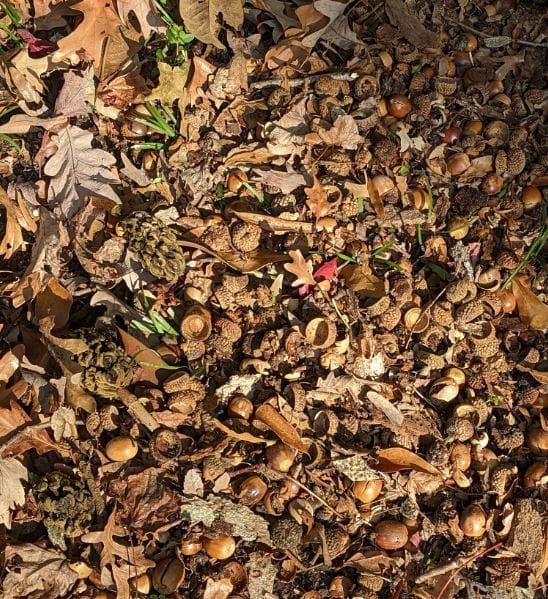
Each autumn, mature oak trees (Quercus spp.) can drop thousands of acorns per tree, creating a tripping hazard, smothering grass, attracting rodents, and leaving tannin stains on patios. While raking seems obvious, efficient acorn removal requires strategy. This guide provides a tiered, professional approach—from manual tools to powered collection systems.
Why Prompt Acorn Removal Matters
Leaving acorns on turf for more than 2–3 weeks can lead to:
- Lawn suffocation – A dense acorn layer blocks sunlight and traps moisture, causing fungal growth.
- Unwanted sprouting – Germinating acorns compete with grass for nutrients.
- Wildlife attraction – Deer, squirrels, and wild hogs (in some regions) will tear up turf to access acorns.
- Damage to mowers – Running over acorns dulls blades and can dent decks.
Primary Collection Methods Comparison
The table below compares the four most effective acorn removal techniques for residential yards.
| Method | Best For | Yard Size | Labor Intensity | Cost (USD) | Efficiency (acorns/min) |
|---|---|---|---|---|---|
| Steel bow rake + tarp | Small, light acorn fall | Up to 500 sq ft | High | $0 (if owned) | ~50 |
| Nut gatherer roller | Medium, moderate drop | 500–5,000 sq ft | Low–Medium | 30–30–60 | ~250 |
| Leaf vacuum with mulch kit | Dry acorns only | Any size, light load | Medium | 100–100–300 | ~400 |
| Push lawn sweeper | Large, heavy drop | >5,000 sq ft | Low | 80–80–200 | ~1,000 |
| Rolling nut harvester (professional) | Very heavy crop | >10,000 sq ft | Very low | 300–300–900 | ~2,500 |
Pro tip: For yards with 3+ mature oaks, combine a lawn sweeper (primary) with a nut gatherer (spot collection).
Step-by-Step: 4 Proven Methods
Method 1: Manual Raking with the “Tarp System” (Best for small yards)
Tools: Plastic leaf rake (flexible tines), heavy-duty tarp (8×10 ft), scoop shovel.
- Clear debris – Remove sticks and leaves first; they hide acorns.
- Rake into windrows – Use short, choppy strokes to roll acorns, not scatter them.
- Pull tarp underneath – Slide the tarp edge under the windrow.
- Fold and carry – Gather corners, lift, and dump into yard waste bags or compost.
Why not a metal rake? Metal tines dig into soil and lift acorns poorly; plastic tines roll over the surface.
Method 2: Nut Gatherer Roller (Best balance of cost & speed)
This push-behind tool uses spring-steel wires to pick acorns off turf without damaging grass.
Technique:
- Walk at 2–3 mph – too fast = acorns fall out of the basket.
- Empty basket every 100 ft (a full basket weighs ~10 lbs).
- Work in parallel passes, overlapping by 4 inches.
Limitations: Acorns smaller than ½ inch can slip through some models. Test with a sample acorn before buying.
Method 3: Powered Lawn Sweeper (Best for ½–1 acre)
Tow-behind or push sweepers use a rotating brush to fling acorns into a hopper.
Settings:
- Brush height: Set ¼ inch below acorn diameter (typically ⅝ inch) – test on 3 acorns.
- Ground speed: 4 mph max. Above this, acorns bounce ahead of the brush.
Disposal: Many sweeper hoppers hold 5–7 bushels (≈200–300 acorns per bushel). Empty into compost or municipal yard waste.
Method 4: Leaf Vacuum with “Acorn Mulching” (Only for dry conditions)
Electric or gas leaf vacs with metal impellers can shred acorns, but wet acorns clog most units.
Safe procedure:
- Wait for 48 hours of dry weather.
- Set nozzle to “high suction, low speed” to avoid lifting turf plugs.
- Vacuum in straight lines. After 5 minutes, check the bag – if >10% wet mass appears, stop and switch methods.
Warning: Never vacuum acorns with a standard shop vac – the hard shells can crack the impeller housing.
Prevention and Long-Term Management
No method removes acorns entirely each season, but you can reduce volume:
| Strategy | Effectiveness | Effort | Time Horizon |
|---|---|---|---|
| Apply ethephon (growth regulator) in spring | 70–90% fewer acorns | Low | 1 year |
| Plant sterile oak cultivars (e.g., ‘Scholarlie’) | 99% reduction | High (initial) | Permanent |
| Increase mowing height to 3.5” in fall | Easier collection (acorns sit on top) | Very low | Immediate |
| Mulch shallow acorns with a mower (sharp blade) | Acceptable only if <20 acorns/sq ft | Low | Immediate |
Legal note: Ethephon application requires a licensed applicator in some states. Always check local pesticide regulations.
Disposal: Yard Waste, Compost, or Mulch?
- Yard waste pickup – Most municipalities accept acorns mixed with leaves. Call first; some require bagging separately.
- Home composting – Acorns contain tannins that slow decomposition. Crush them first, then layer with green waste (ratio 1:3 acorns:grass clippings). Allow 18–24 months to fully break down.
- As mulch – Shredded acorns (via hammer mill) can be used around acid-loving plants like rhododendrons. Do not use raw whole acorns as mulch—they will sprout or attract rodents.
Final Professional Checklist
Before starting any acorn cleanup:
- Check weather: No rain for 48 hours.
- Mow lawn to 3 inches (shorter exposes more acorns to rollers).
- Remove branches and fallen limbs first.
- Test your tool on 10 acorns – adjust settings if fewer than 8 are collected.
- Wear gloves and eye protection (acorns can ricochet from powered equipment).