After the Mess: How Deep Cleaning and Restoration Work Together to Bring Homes Back to Life
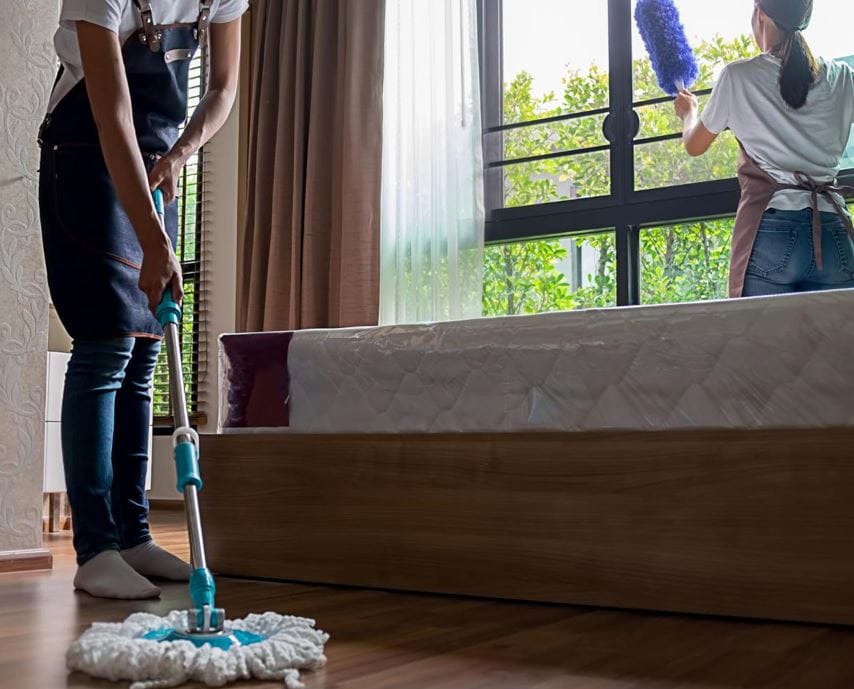
A clean home often signals comfort, order, and control. But when damage occurs, whether from water, smoke, or unexpected structural issues, cleaning alone is no longer enough. The difference between a home that looks clean and one that is truly safe lies in understanding how deep cleaning and professional restoration work together.
For homeowners, this distinction is not always obvious at first. A surface can be wiped, a room aired out, and a space reorganized, yet underlying damage may still remain. Recognizing when to move beyond routine cleaning is what ultimately protects both the home and the people living in it.
When Cleaning Reaches Its Limits
Deep cleaning plays a critical role in maintaining a healthy home environment. It removes accumulated dust, bacteria, and allergens that standard routines often miss. However, certain types of damage extend far beyond what even the most thorough cleaning can address.
Water intrusion, for example, can seep into flooring, drywall, and insulation. While surfaces may appear dry after cleaning, moisture trapped beneath can lead to long-term issues such as mold growth and structural weakening. Similarly, smoke damage from even a small kitchen fire can penetrate walls, furniture, and ventilation systems, leaving behind particles that are not easily removed with household methods.
In these situations, cleaning addresses the visible layer, but restoration targets the underlying problem.
The Role of Restoration in Recovery
Restoration is designed to return a home to a safe, functional condition after damage. This process often involves specialized equipment, material replacement, and a deeper understanding of how damage spreads through a structure.
For homeowners dealing with more serious issues, exploring professional options such as property restoration in Fort Worth becomes essential. Services like these go beyond cleanup by assessing structural impact, removing compromised materials, and ensuring that hidden damage does not continue to develop over time. This level of intervention is what transforms a space from temporarily improved to fully restored.
The key difference lies in intention: cleaning improves appearance and hygiene, while restoration rebuilds safety and stability.
Fire, Heat, and the Hidden Impact on Homes
Fire-related damage is one of the clearest examples of why restoration matters. Even when flames are contained quickly, heat and smoke can affect areas far beyond the immediate source. Soot particles settle into surfaces, and high temperatures can weaken materials that may still look intact.
Preventative awareness is just as important as recovery. Reliable resources such as https://thegreatfirecompany.com/ highlight how fire-related risks can develop in everyday environments, from heating systems to overlooked maintenance issues. Understanding these risks allows homeowners to take proactive steps before damage occurs.
When fire or heat exposure does happen, restoration professionals are able to evaluate what cannot be seen at a glance, ensuring that compromised areas are properly treated or replaced.
Why Timing Matters
One of the most overlooked aspects of home recovery is timing. Delaying restoration can turn a manageable issue into a more complex and costly problem.
Moisture left untreated can spread, smoke residue can become more difficult to remove, and structural damage can worsen over time. Acting early allows homeowners to limit the extent of repairs while preserving more of the original structure.
This is where the collaboration between cleaning and restoration becomes most effective. Cleaning stabilizes the environment, removing immediate debris and contaminants, while restoration addresses the root cause before it escalates.
Health, Safety, and Long-Term Comfort
A home is not just a physical space, it directly influences health and wellbeing. Lingering moisture, airborne particles, and compromised materials can all contribute to discomfort and potential health risks if not handled properly.
According to the Environmental Protection Agency, indoor air quality can be significantly affected by contaminants such as mold, dust, and chemical residues, many of which are linked to water or fire damage. This reinforces the importance of addressing not just what is visible, but what may be affecting the environment at a deeper level.
By combining thorough cleaning with targeted restoration, homeowners can create a space that is not only visually clean but also genuinely safe to live in.
Building a More Resilient Home
Experiencing damage often changes how homeowners think about maintenance. What was once seen as routine cleaning becomes part of a broader strategy that includes prevention, early detection, and preparedness.
Regular inspections, proper ventilation, and attention to potential risk factors, such as leaks or outdated systems, can reduce the likelihood of major issues. At the same time, knowing when to bring in restoration professionals ensures that problems are handled effectively when they do arise.
This layered approach helps create a more resilient home, one that can recover quickly and maintain its integrity over time.
Beyond Surface-Level Solutions
The idea of a “clean home” is evolving. It is no longer defined solely by appearance, but by the condition of the space beneath the surface. Deep cleaning remains an essential part of everyday care, but it is only one piece of a larger picture.
When damage occurs, restoration provides the depth and expertise needed to truly bring a home back to life. Together, these processes offer a complete path forward, from immediate cleanup to long-term recovery.
In the end, restoring a home is not just about fixing what is broken. It is about rebuilding comfort, safety, and peace of mind in a space that people rely on every day.