How to Protect Your Home from Costly Termite Damage
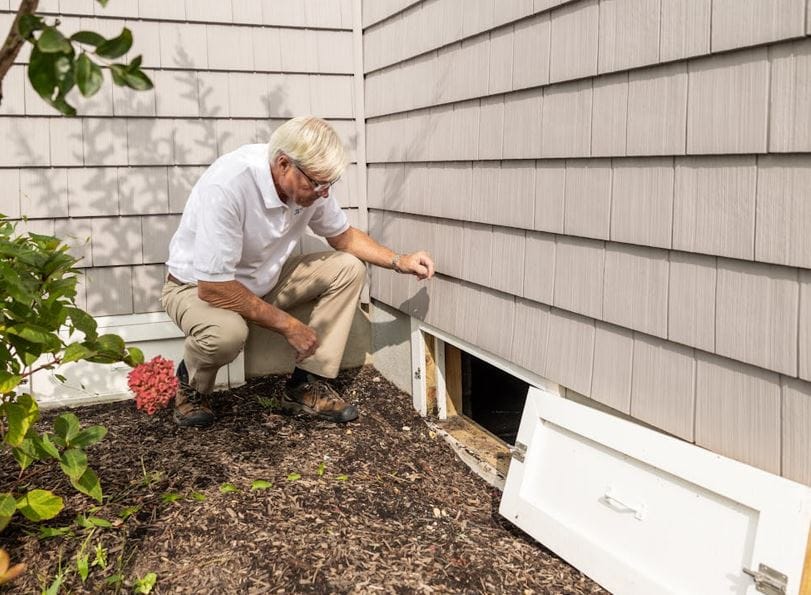
Termites are among the most damaging pests for homeowners, and the biggest challenge is that they often remain hidden until significant damage has already occurred. These tiny insects work quietly, feeding on wood and weakening the structure of your home from the inside out. By the time you spot the signs, repairs can become expensive and stressful.
What makes termites especially challenging is how easily they can enter your home. Small cracks in the foundation, damp wood, or even nearby soil can provide the perfect pathway for an infestation. Without proper prevention, your home becomes vulnerable over time.
The good news is that you can take steps to protect your property before things get out of hand. With the right knowledge and a proactive approach, you can reduce the risk of termite damage and avoid costly repairs. It all starts with understanding how termites behave and knowing when to take action.
Understanding the Risk
Termites don’t just appear overnight. They build colonies and slowly expand, often staying hidden behind walls, under floors, or inside wooden structures. Because they work out of sight, it can be difficult to detect them early without a proper inspection. This is why many homeowners don’t realize there’s a problem until visible damage starts to show.
If you want to stay ahead of the problem, working with the best termite control services in your area can make a big difference. Professional teams are trained to identify early signs of infestation, even in areas you might not think to check. They can assess your home, locate problem areas, and apply targeted treatments that address the issue at its source.
Another advantage of professional support is long-term prevention. Instead of just treating the current problem, experts can help you put systems in place to keep termites from coming back. This might include protective treatments around your home, moisture control recommendations, and regular follow-up inspections.
By choosing the right help early on, you can protect your home more effectively and avoid the stress that comes with major damage.
Common Signs of Termite Infestation
Although termites are difficult to detect, they often leave subtle signs that you can notice if you know where to look. One of the most common signs is wood that sounds hollow when tapped. Since termites eat wood from the inside, the outer layer may look fine while the inside is damaged.
You might also notice mud tubes along your walls or foundation. These tubes act as protective pathways for termites as they travel between their colony and food sources. Another warning sign is the presence of discarded wings, often found near windows or doors.
In some cases, paint may appear cracked or bubbling due to moisture and underlying damage. If you notice any of these signs, it’s important to take action right away. The sooner you address the issue, the easier it is to limit the damage.
Preventing Moisture Build-Up
Moisture plays a major role in attracting termites. Damp environments create ideal conditions for them to thrive, especially in areas where wood is exposed. That’s why controlling moisture in and around your home is one of the most effective ways to prevent infestations.
Start by fixing any leaks as soon as you notice them. This includes pipes, roofs, and windows. Even small leaks can create enough moisture to attract termites over time. Proper drainage is also important. Make sure water flows away from your home rather than pooling around the foundation.
In areas with high humidity, using a dehumidifier can help keep moisture levels under control. Keeping your home dry makes it far less inviting for termites and reduces the risk of long-term damage.
Protecting Wooden Structures
Since termites feed on wood, protecting wooden structures is essential. This includes everything from your home’s framework to outdoor features like decks and fences. Taking a few preventive steps can make a big difference.
Start by sealing any cracks or gaps in your home’s exterior. These openings can serve as entry points for termites. Using treated wood for construction or repairs can also help reduce the risk of infestation.
It’s also important to store firewood properly. Keep it away from your home and off the ground to prevent termites from making their way inside. Regular maintenance of wooden surfaces ensures they stay in good condition and are less vulnerable to damage.
Scheduling Regular Inspections
Regular inspections are one of the best ways to catch termite problems early. Even if you don’t see any signs, it’s a good idea to have your home checked periodically by professionals.
During an inspection, experts look for hidden signs of activity and assess areas that are more prone to infestation. They can identify potential risks and recommend preventive measures before a problem develops.
Most homeowners benefit from scheduling inspections at least once a year. This routine check helps you stay ahead of any issues and gives you peace of mind knowing your home is protected.
Landscaping and Exterior Maintenance Tips
Your yard and the area around your home can play a big role in termite prevention. Overgrown plants, wood debris, and poor drainage can all create conditions that attract termites.
Keeping plants trimmed and away from your home’s exterior improves airflow and reduces moisture buildup. It also makes it harder for termites to find a path into your house. Avoid direct wood-to-soil contact whenever possible, as this provides easy access for termites.
Maintaining a clean and organized outdoor space not only improves your home’s appearance but also reduces the risk of infestation. Small changes in your landscaping can have a big impact over time.
What to Do If You Suspect Termites
If you think you might have termites, it’s important to act quickly. Avoid disturbing the affected area, as this can cause termites to spread to other parts of your home. Instead, take note of any visible signs and document them if possible.
Contacting a professional should be your next step. They can perform a thorough inspection and recommend the best course of action. Acting early helps limit damage and prevents the infestation from getting worse.
Trying to handle the problem on your own may not be effective, especially if the colony is well established. Professional treatment ensures the issue is addressed properly.
Protecting your home from termite damage requires a proactive approach. By understanding how termites operate and taking preventive measures, you can reduce the risk of infestation and avoid costly repairs.
Simple steps like controlling moisture, maintaining your property, and scheduling regular inspections go a long way in keeping your home safe. When needed, professional help provides the expertise and tools required to handle more serious issues.
Your home is one of your most valuable investments, and taking care of it should always be a priority. With the right strategies in place, you can keep termites at bay and enjoy peace of mind knowing your home is well protected.