How To Clean A Ping Pong Table
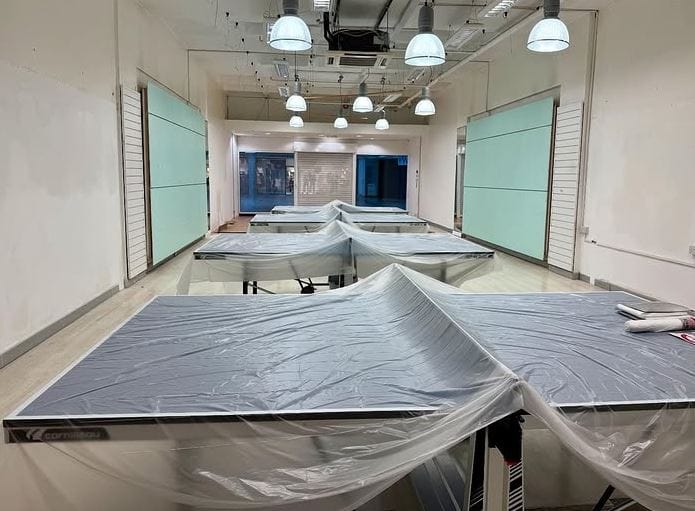
A clean ping pong table isn’t just about aesthetics; it’s the cornerstone of a fair and enjoyable game. Dust, skin oils, and debris can drastically alter the ball’s bounce and spin, turning a fast-paced rally into a frustrating exercise in unpredictability . Whether you’re a casual player or a seasoned competitor, understanding how to clean a ping pong table properly is the most effective way to protect your investment and ensure every match is played on a surface that performs as it should. This comprehensive guide will walk you through everything from daily upkeep to tackling stubborn stains, ensuring your table remains in top condition for years to come.
Why a Clean Table Matters for Your Game
Before diving into the “how,” it’s important to understand the “why.” A ping pong table’s surface is precision-engineered to provide a consistent, low-friction bounce. When this surface is compromised by dirt, grease, or moisture, the game suffers.
- Inconsistent Bounce: Dust and grime create an uneven layer, causing the ball to skid, stop short, or bounce unpredictably .
- Altered Spin: A dirty surface can reduce the friction between the ball and the table, making it difficult to execute or receive spin-heavy shots .
- Long-Term Damage: Neglecting regular cleaning allows dirt to grind into the finish, leading to sticky patches, a rough texture, and even warping if moisture is left to seep in . A well-maintained table, however, will provide consistent performance and last for many years .
Gathering Your Cleaning Arsenal: Tools and Materials
Using the right tools is just as important as the cleaning process itself. Harsh chemicals or abrasive materials can permanently damage the delicate matte finish of your table.
Essential Supplies
- Microfiber Cloths: These are non-abrasive, lint-free, and excellent for trapping dust and dirt without scratching the surface .
- Mild Dish Soap: A gentle, bleach-free dish soap is perfect for creating a weak cleaning solution .
- White Vinegar: A natural cleaner and degreaser, ideal for tougher jobs .
- Lukewarm Water: Hot water can potentially warp wooden components, so lukewarm is the safest choice .
- Bucket or Spray Bottle: For mixing and applying your cleaning solution.
- Soft Sponge (Optional): Useful for gentle application, but ensure it’s non-abrasive .
- Vacuum with Soft Brush Attachment (Optional): Great for quickly removing loose dust and debris without rubbing it into the surface .
Tips for Choosing Products
- Avoid Harsh Chemicals: Never use cleaners containing bleach, ammonia, or strong solvents, as they can strip the paint and damage the surface .
- Steer Clear of Abrasives: Steel wool, scouring pads, and stiff brushes will leave unsightly scratches .
- Test First: If you’re unsure about a cleaner, test it on a small, inconspicuous area (like underneath the table) before applying it to the main playing surface .
The Ultimate Step-by-Step Guide to a Spotless Surface
Follow these steps for a thorough and safe cleaning that will restore your table’s optimal playing condition.
Step 1: Preparation is Key
- Remove the Net: Unclip and remove the net and its posts. This prevents them from getting in the way and protects them from accidental water damage .
- Clear the Table: Ensure the surface is completely clear of balls, paddles, and any other items .
- Initial Dusting: Use a dry microfiber cloth or a vacuum with a soft brush attachment to gently remove all loose dust and debris. This is a critical first step to prevent scratching the surface with gritty particles when you begin wiping .
Step 2: Mix Your Cleaning Solution
You have two excellent, safe options:
- Mild Soap Solution: Add a few drops of mild dish soap to a bucket of lukewarm water. The water should be just barely soapy; too much soap can leave a film .
- Vinegar Solution: Mix one part distilled white vinegar with five parts water. This solution is excellent for cutting through grease and grime .
Step 3: Dampen and Wipe
- Wring It Out: Dip your microfiber cloth or soft sponge into the solution and wring it out thoroughly. The cloth should be damp, not wet. Excess moisture is the enemy of a ping pong table and can lead to warping or damage to the underlying wood .
- Gentle Wiping: Wipe the table in gentle, circular motions or straight lines, working on one small section at a time . Do not apply heavy pressure.
Step 4: Rinse Away Residue
- Clean Water Rinse: To prevent any soap or vinegar residue from building up (which can attract more dirt and affect ball bounce), go over the table again with a second cloth dampened with clean, lukewarm water . Again, make sure the cloth is just damp, not soaking wet.
Step 5: Dry Immediately and Thoroughly
- Immediate Drying: Using a separate, dry microfiber cloth, immediately dry the area you just cleaned . This prevents water spots and ensures no moisture lingers to damage the table. The goal is to leave the surface completely dry.
Step 6: Don’t Forget the Frame, Legs, and Net
- Frame and Legs: Wipe down the metal frame and legs with a damp cloth to remove dust and grime. Dry them thoroughly to prevent rust. If the legs are wooden, treat them with the same care as the tabletop .
- Net: Gently shake the net to remove loose dust. If it’s dirty, you can soak it in the mild vinegar solution for a few minutes, then rinse and let it air dry completely before reattaching .
Tackling Tough Stains and Marks
Sometimes a simple wipe-down isn’t enough. Here’s how to handle more stubborn blemishes without causing damage.
Stain-Fighting Techniques
Preventive Maintenance: The Key to Longevity
Regular cleaning is reactive; preventive maintenance is proactive. Adopting these habits will drastically reduce the need for deep cleaning and protect your table for the long haul.
Best Practices for Protection
- Use a Cover: Invest in a high-quality, breathable table cover and use it whenever the table is not in play. This is the single best way to protect against dust, UV rays, and accidental spills .
- Control the Environment: Store your table in a dry, climate-controlled area away from direct sunlight, heating vents, and humid basements or garages. Fluctuations in temperature and humidity are the primary causes of warping .
- Keep Food and Drink Away: Enforce a strict rule of no food or drinks on or near the playing surface. This simple habit prevents countless spills and sticky stains .
- Regular Inspections: Every few weeks, check for loose bolts on the frame and legs, and ensure the folding mechanism locks securely. Tighten any loose hardware to maintain stability and safety .
Recommended Cleaning Schedule
Common Mistakes to Avoid
Even with the best intentions, it’s easy to make a mistake. Here are the most common pitfalls to avoid:
- Using Excessive Water: This is the number one cause of warped tabletops. Always wring your cloth out until it’s just damp .
- Scrubbing Aggressively: Rubbing too hard can wear away the matte finish, creating shiny spots and uneven texture .
- Using Harsh Chemicals: Cleaners with bleach or ammonia will damage the surface and ruin its playing characteristics .
- Skipping the Dry Step: Leaving the table wet, even for a short time, invites moisture damage and warping .
- Neglecting Residue: Failing to rinse off soap leaves a film that attracts more dust and can make the ball bounce erratically .
Conclusion
Learning how to clean a ping pong table is a simple yet vital skill for any enthusiast. By using the right gentle techniques and establishing a consistent care routine, you’re not just wiping away dust—you’re preserving the very essence of the game: consistent speed, true bounce, and predictable spin. A little preventative care and regular attention will ensure that your ping pong table remains a source of fast-paced, fair, and flawless fun for countless games to come.