What Causes a Pink Ring in the Toilet Bowl? A Complete Guide to Identification, Removal, and Prevention
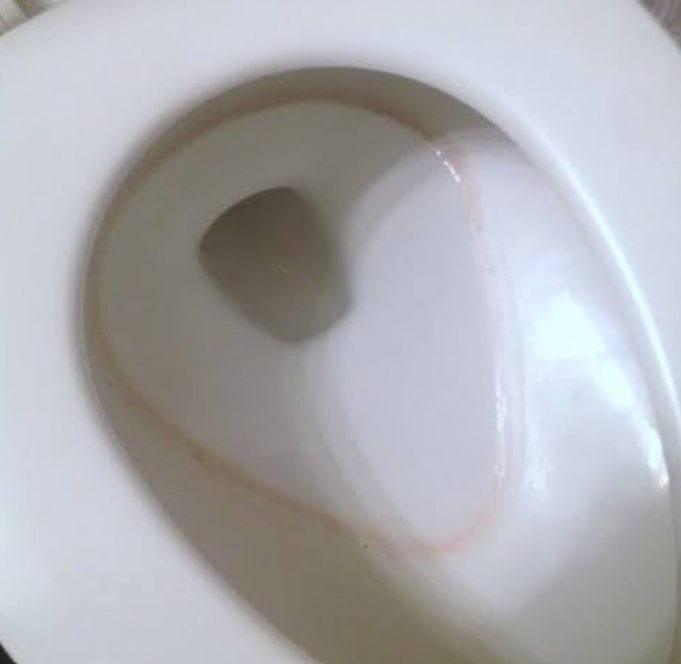
A pink ring around your toilet bowl is not a sign of poor hygiene or a plumbing failure. In fact, it is a predictable biological phenomenon with a well-understood cause. The culprit is a naturally occurring airborne bacterium called Serratia marcescens, which produces a distinctive pink or reddish pigment as it colonizes moist surfaces.
This article explains the science behind the pink ring, how it differs from other common toilet stains, and provides a professional-grade protocol for removal and long-term prevention.
The Root Cause: Serratia marcescens
Serratia marcescens is a gram-negative, rod-shaped bacterium found ubiquitously in the environment—in soil, dust, surface water, and even human and animal fecal matter. Its most recognizable feature is the production of prodigiosin, a red liposoluble pigment that gives colonies their characteristic pink, salmon, or orange-red coloration.
The bacterium does not survive in properly chlorinated drinking water. However, the chlorine residual in tap water dissipates within approximately 30 minutes when water sits stagnant in an open container—such as a toilet bowl. Once the chlorine is gone, S. marcescens can establish itself in the standing water.
Why It Thrives in Your Toilet Bowl
Several conditions make the toilet bowl an ideal habitat for this bacterium:
- Stagnant water: Guest bathrooms or infrequently used toilets allow water to sit long enough for chlorine to dissipate completely.
- Organic nutrients: Soap residue, fecal matter, and phosphorus-containing compounds provide a food source.
- Moisture and humidity: Bathrooms retain moisture from showers, creating a persistently damp environment.
- Warm temperatures: Higher humidity and temperatures in summer months correlate with increased occurrences.
- Airborne transmission: The bacteria can settle into the bowl from the surrounding air, meaning even well-maintained bathrooms are not immune.
Important distinction: The pink residue is often mistakenly called “pink mold,” but it is bacteria, not mold. This distinction matters because treatment approaches differ.
Is the Pink Ring Dangerous?
For the vast majority of healthy individuals, Serratia marcescens is a harmless nuisance. It is not known to cause waterborne diseases, and the pink ring itself is primarily an aesthetic issue.
However, S. marcescens is classified as an opportunistic pathogen. It can cause infections in vulnerable populations, including:
- Hospitalized patients
- Elderly individuals
- People with weakened immune systems
- Pregnant women
Reported infections include urinary tract infections, wound infections, keratitis (eye infection), and pneumonia in hospital settings. The bacterium is also naturally resistant to several antibiotics, including penicillin and some cephalosporins, making hospital-acquired infections more challenging to treat.
Practical implication: While you need not panic, prompt removal is advisable—especially in households with immunocompromised individuals.
Pink Ring vs. Other Toilet Stains: A Comparison
Not all toilet rings are created equal. The color and texture of the ring provide reliable diagnostic clues.
| Ring Color | Primary Cause | Appearance/Texture | Typical Location | Removal Approach |
|---|---|---|---|---|
| Pink/Salmon | Serratia marcescens bacteria | Slimy film, can appear fuzzy | Water line, bowl sides | Disinfectant + scrub |
| Brown/Grey | Hard water minerals (calcium, magnesium) | Crusty, rough deposit | Water line, under rim | Acid-based cleaner (vinegar) |
| Orange/Red | Iron/rust in water supply | Staining, smooth or slightly rough | Bowl surface, water line | Rust remover, pumice |
| Black/Dark Green | Mold or mildew | Slimy, dark film | Water line, corners | Bleach-based cleaner |
The pink ring is distinctive because of its color and its slimy, film-like consistency. If you wipe it away and it returns quickly—often within days—you are dealing with an active bacterial colony, not a mineral deposit.
How to Remove a Pink Ring Effectively
Ordinary wiping often fails because it removes the pigment but leaves the bacterial biofilm intact. S. marcescens can hide in microscopic crevices and re-establish itself rapidly. Effective removal requires both mechanical disruption and chemical disinfection.
Step-by-Step Removal Protocol
Materials needed:
- Toilet brush
- Chlorine bleach or a bleach-based bathroom cleaner
- Household gloves
- Ventilation (open window or exhaust fan)
Procedure:
- Clean the bowl first. Apply toilet bowl cleaner around the rim and bowl, scrub thoroughly with a brush, and flush. This removes organic matter that can shield bacteria.
- Apply bleach disinfectant. Spray or pour a chlorine bleach solution into the bowl, ensuring it contacts all affected areas including under the rim. Alternatively, add 1/4 cup of chlorine bleach directly to the toilet tank.
- Allow contact time. Let the bleach solution stand for 15–20 minutes. This is the critical step that kills the bacteria rather than just removing visible pigment.
- Scrub and flush. Scrub the bowl thoroughly with a toilet brush, then flush several times to rinse the bleach from the tank and bowl.
- Repeat if necessary. For persistent colonies, repeat the disinfection process.
Critical safety warning: Never mix bleach with vinegar, acidic toilet cleaners, or ammonia. The combination of bleach and acid releases toxic chlorine gas, and bleach with ammonia produces chloramine gas. Flush and rinse the bowl between different cleaning products.
Alternative for Mild Cases
If the pink film is light and recently formed, white vinegar applied via the paper towel method—soaking towels in vinegar, pressing them against the stained area for 30 minutes, then scrubbing—can be effective. However, vinegar is less reliable than bleach for killing S. marcescens.
Prevention: Stopping the Pink Ring from Returning
Serratia marcescens is described by water utilities as “difficult to eliminate entirely” once established. The goal is therefore control, not eradication. A consistent prevention routine keeps the bacterium from reaching visible colony densities.
Key Prevention Strategies
A Note on Water Filters
Activated carbon filters, while effective for improving taste and removing contaminants, strip the residual chlorine from water. Homes using carbon filtration systems report higher rates of Serratia growth. If you use such a filter, more frequent toilet cleaning is advisable.
Summer Months Require Extra Vigilance
Higher temperatures and humidity create optimal conditions for S. marcescens proliferation. Plan to increase cleaning frequency during summer months or in humid climates.
When to Seek Professional Help
The pink ring itself is not a plumbing emergency. However, consider contacting a professional if:
- The pink residue appears in multiple fixtures (sinks, showers, pet bowls) despite regular cleaning
- You have a household member with a compromised immune system
- The ring returns within 24–48 hours of thorough disinfection
- You suspect a water quality issue beyond the toilet (test your water for bacteria)
Water utilities emphasize that Serratia in toilet bowls is not a water quality problem and does not indicate contamination of the municipal supply. It is an environmental bacterium that colonizes surfaces after chlorine dissipates.
Conclusion
The pink ring in your toilet bowl is caused by Serratia marcescens, a pigment-producing bacterium that thrives in moist, chlorine-depleted environments. It is not a sign of a dirty home or contaminated water. Effective control requires understanding its biology: remove the biofilm mechanically, kill the bacteria with chlorine bleach, and maintain a regular cleaning and ventilation routine to prevent recurrence. For healthy individuals, the pink ring is a cosmetic nuisance; for vulnerable populations, it warrants prompt attention. With the right approach, you can keep your toilet bowl free of this persistent but manageable invader.