Drain blockages as a trigger for interior moisture problems
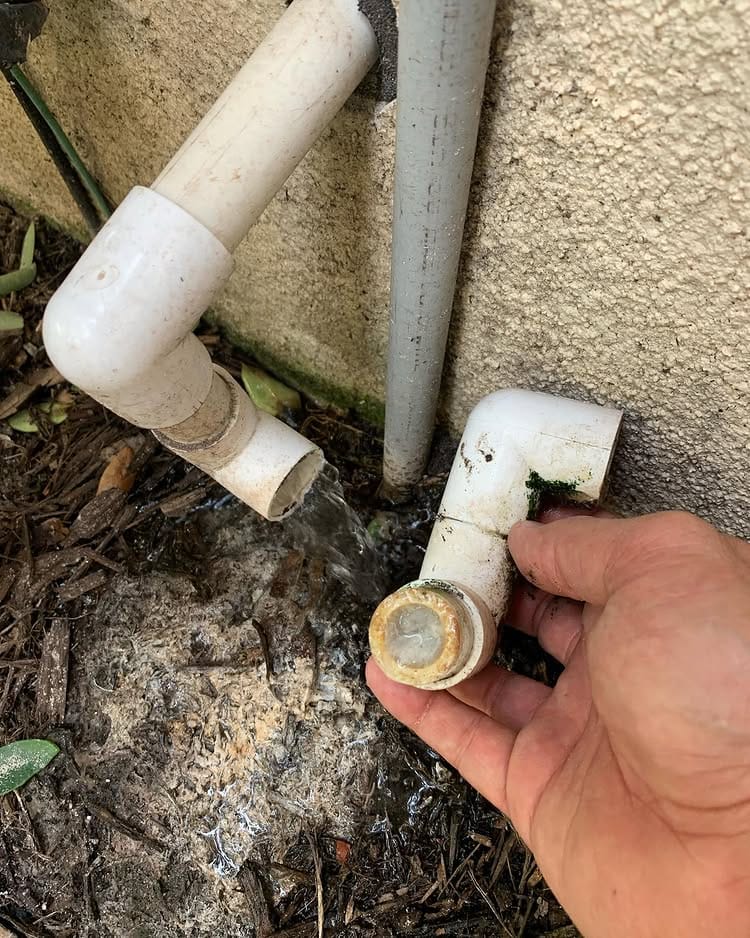
Interior waterproofing is often associated with visible protection such as membranes, sealants, or interior drainage systems. However, in many Canadian properties moisture issues begin long before water appears on walls or floors. One of the most common hidden contributors is restricted drainage caused by blocked pipes.
When drains fail to move water away efficiently, moisture pressure increases around foundations and below floor slabs. Even well-installed waterproofing systems struggle under these conditions. Specialists at POM Plumbing frequently identify drainage restrictions as the underlying reason waterproofing measures stop performing as expected.
Why blocked drains affect more than flow
Drain systems are designed to carry water away continuously. When grease, sediment, hair, or debris accumulates, flow slows and water begins to pool underground. This pooling increases hydrostatic pressure, forcing moisture toward interior spaces.
The result is often subtle at first: increased humidity, musty odours, or damp areas near floor joints. Over time, these signs progress into visible damage that homeowners may mistakenly attribute to failed waterproofing materials.
Drain cleaning as a foundation for waterproofing
Addressing drainage restrictions early is one of the most effective ways to protect interior waterproofing. Proper clogged drain cleaning restores flow, reduces pressure around the structure, and allows waterproofing systems to operate under normal conditions rather than constant stress. This preventive step is especially important in older Canadian neighbourhoods where drainage systems may have been in place for decades.
Basements show the impact first
Basements are typically the first areas to reveal drainage-related moisture stress. Persistent dampness, condensation along walls, and recurring stains often indicate that water is accumulating below the structure.
Seasonal weather patterns intensify this effect. Heavy rainfall and freeze–thaw cycles increase water volume and soil movement, making existing blockages more disruptive. Professionals such as POM Plumbing note that addressing drainage issues early often prevents the need for extensive waterproofing repairs later.
Why surface waterproofing alone may disappoint
Interior waterproofing products are designed to resist moisture intrusion, not to compensate for ongoing drainage failure. When blocked drains remain unresolved, water constantly challenges seals and barriers. Over time, coatings peel, drainage channels overload, and moisture finds alternative entry points. This leads to repeated repairs and frustration, even when waterproofing materials themselves are intact.
Integrated moisture control delivers durability
Effective moisture management treats drainage and waterproofing as connected systems. Clearing blocked drains reduces the workload placed on waterproofing barriers and extends their lifespan.
Property owners who coordinate drain maintenance with waterproofing efforts often experience fewer moisture-related issues and improved indoor air quality. Support from POM Plumbing helps ensure that drainage performance aligns with interior protection goals.
Using reliable resources for maintenance planning
Understanding drainage condition and service options allows property owners to plan maintenance proactively. Reviewing information and service guidance through resources such as https://pomplumbing.ca/ helps clarify how drain care supports long-term moisture protection. This planning approach reduces emergency repairs and supports consistent system performance.
Long-term benefits for Canadian properties
Regular drain maintenance protects interior finishes, reduces mould risk, and preserves structural materials. From a property value perspective, documented care simplifies inspections and increases buyer confidence. Preventive action is typically less disruptive and more cost-effective than responding to water damage after it occurs.
Making informed decisions about interior waterproofing
Interior waterproofing works best when supported by reliable drainage. Treating visible symptoms without restoring flow leads to temporary relief at best. By prioritising drain maintenance as part of a broader moisture control strategy, Canadian property owners build a more resilient defence against water-related damage.