The Complete Guide to How to Clean a Rubber Floor: Restore Shine & Longevity
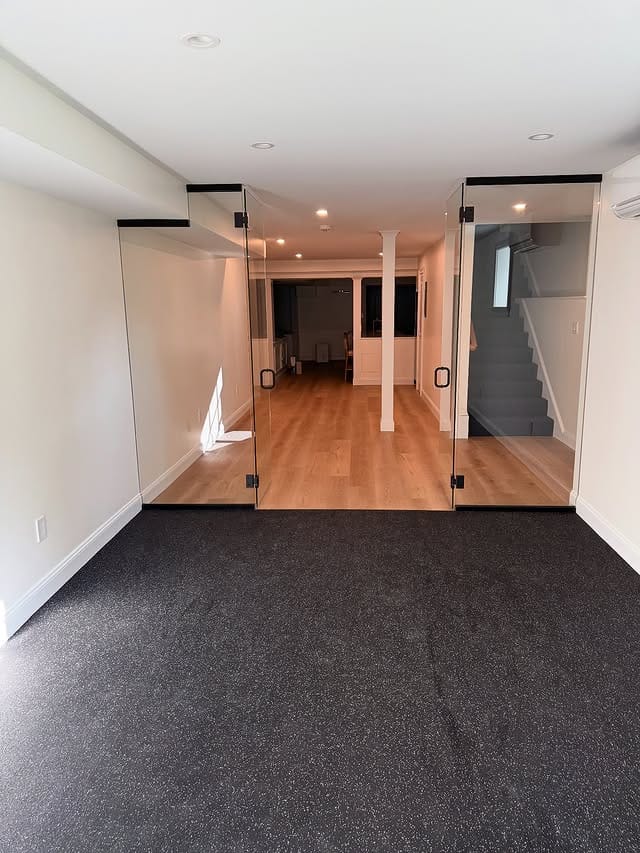
Rubber flooring is a durable, resilient choice for gyms, garages, playrooms, and commercial spaces. However, its textured surface can trap dirt and lose its shine without proper care. This definitive guide will walk you through the correct, safe methods to clean your rubber floor, ensuring it looks new and lasts for years, all while optimizing your cleaning routine for efficiency.
Why Proper Rubber Floor Care Matters
Cleaning rubber flooring isn’t just about aesthetics. Using the wrong chemicals or tools can cause permanent damage, including:
- Surface Degradation: Harsh acids or alkalis can break down the rubber material.
- Discoloration: Certain cleaners leave a dull film or cause fading.
- Loss of Traction: Oily residues can create unsafe, slippery surfaces.
- Shortened Lifespan: Improper care accelerates wear and tear.
Following manufacturer instructions is always the first step, but this guide covers the universal best practices that apply to most rubber floors.
Step-by-Step: How to Clean a Rubber Floor Effectively
Daily or Weekly Maintenance (For Light Traffic & Dirt)
This routine is for keeping a generally clean floor in good condition.
- Sweep or Vacuum: Use a soft-bristle broom or a vacuum without a beater bar (which can snag and tear the floor). Remove all loose grit and debris.
- Mop with pH-Neutral Cleaner: Mix a pH-neutral cleaner (commercial rubber floor cleaner or mild dish soap) with warm water. Avoid vinegar, bleach, or ammonia-based products for regular cleaning.
- Use a Microfiber Mop: Damp-mop the floor. Do not overwet or allow puddles to form, as standing water can seep into seams and damage subfloors.
- Rinse (If Needed): For sticky residues, go over the floor with a mop dampened with clean water.
- Air Dry or Towel Dry: Allow the floor to air dry completely before replacing mats or heavy equipment. For faster drying, use a dry microfiber towel.
Deep Cleaning (Monthly or for Heavy Soiling)
For gyms, garages, or after a spill of stubborn substances.
- Pre-Clean: Sweep/vacuum thoroughly.
- Spot Treat Stains: For scuff marks, use a magic eraser (melamine foam) gently. For oil or grease, a small amount of isopropyl alcohol on a cloth can help.
- Scrub if Necessary: For textured floors, use a soft scrub brush with your neutral cleaning solution on heavily soiled areas.
- Auto-Scrubber (For Large Areas): Commercial spaces can use an auto-scrubber with a soft pad and approved cleaner.
- Thorough Rinse: This is crucial for deep cleans. Go over the entire floor with a water-dampened mop to remove any cleaner residue.
- Dry Thoroughly: Ensure the floor is completely dry before use.
What NOT to Use on Rubber Flooring
Avoid these common cleaning mistakes that cause damage.
| Avoid These Cleaners | Why It’s Harmful |
|---|---|
| Oil-Based Soaps | Leaves a slippery film, attracts more dirt. |
| Abrasive Cleaners | Scratch and dull the surface, making it look worn. |
| Bleach or Ammonia | Causes discoloration, drying, and cracking of the rubber. |
| Vinegar (Acetic Acid) | Can degrade the rubber material over time, causing brittleness. |
| Steam Cleaners | Excessive heat can warp and break down the rubber bonds. |
| Wire Brushes | Will tear and shred the rubber surface irreparably. |
Recommended Cleaning Solutions Comparison
| Cleaning Solution | Best For | Pros | Cons | Dilution Ratio (Approx.) |
|---|---|---|---|---|
| Commercial Rubber Floor Cleaner | All-purpose, daily & deep cleaning | pH-balanced, safe, enhances shine | Can be more expensive than DIY | As per manufacturer label (often 1:128) |
| Mild pH-Neutral Dish Soap | Daily maintenance, light traffic | Readily available, inexpensive, gentle | Can leave film if not rinsed well | 1 tbsp per gallon of warm water |
| Isopropyl Alcohol (Spot Use) | Grease, oil, or adhesive removal | Effective on tough residues, evaporates quickly | Can dry out rubber if used repeatedly/neat | Use neat or dilute 1:1 for large areas |
| Ammonia-Free All-Purpose Cleaner | General cleaning (if pH-neutral) | Multi-surface use | Must check label carefully for ammonia/bleach | As per product label |
| Baking Soda Paste | Scrubbing tough scuffs gently | Mild abrasive, deodorizing | Requires thorough rinsing | Mix with water to form a paste |
Advanced Tips for Specific Situations
- Removing Black Heel Marks: Use a dry-erase marker over the mark, then wipe away with a microfiber cloth. The solvents in the marker often dissolve the scuff.
- Deodorizing: For gym or locker room floors, sprinkle baking soda lightly before vacuuming, or use a cleaner formulated with enzymatic odor neutralizers.
- Restoring Shine: After a deep clean and dry, use a water-based rubber floor polish or revitalizer specifically designed for non-slip surfaces. Never use wax.
- High-Traffic Mats: For rubber entrance mats, pick them up and hose them off outside. Scrub with a brush and mild soap, rinse thoroughly, and let them dry completely before replacing.
FAQ: Your Rubber Floor Cleaning Questions Answered
Q: Can I use a pressure washer on my garage rubber floor tiles?
A: Generally, no. The high pressure can force water under the tiles, damaging the subfloor and causing tiles to lift. A garden hose on a gentle setting is safer for rinsing.
Q: How do I clean rubber gym flooring from odor and bacteria?
A: Use a commercial-grade, PH-neutral gym floor cleaner with antimicrobial properties. Ensure the product is specifically safe for rubber. Proper drying is key to preventing microbial growth.
Q: Why is my rubber floor still sticky after cleaning?
A: This is usually due to cleaner residue. Always ensure you are diluting products correctly and rinsing thoroughly with clean water after mopping. Sticky floors also attract more dirt.
Q: How often should I deep clean my rubber floor?
A: For homes, 3-4 times a year is sufficient. For commercial or gym spaces, a monthly deep clean is recommended, with daily dry and damp mopping.
Conclusion: The Key to a Long-Lasting Rubber Floor
Cleaning a rubber floor is simple when you remember the core rules: use pH-neutral cleaners, avoid harsh chemicals and abrasives, never allow standing water, and always rinse thoroughly. Consistent, correct maintenance not only keeps your floor looking its best but also protects your investment by extending its life for decades. Start with the gentlest method and work your way up only if needed for tough stains. Your durable rubber floor will thank you with years of reliable service.