Can Clorox Wipes Be Used on Granite or Quartz Countertops?
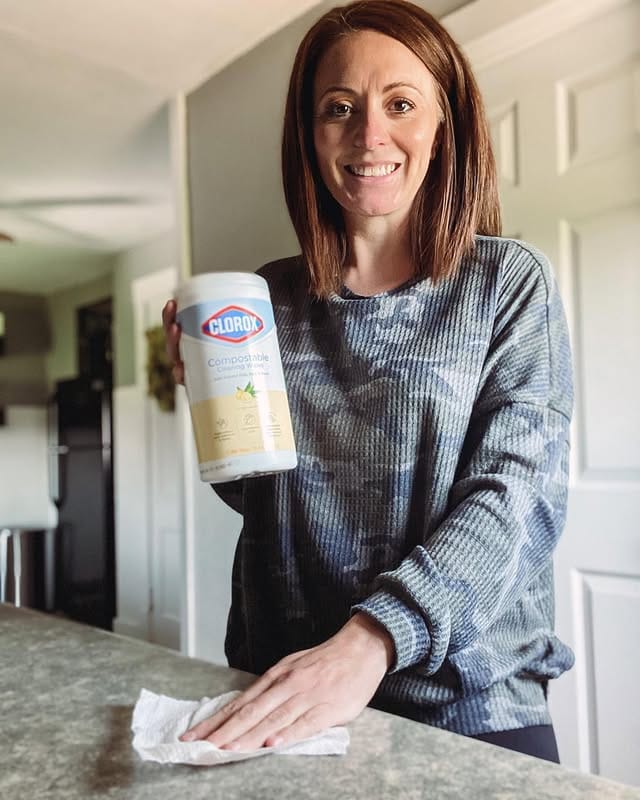
Your beautiful granite or quartz countertops are the centerpiece of your kitchen or bathroom. When it’s time to wipe up a spill or give them a quick clean, it’s tempting to reach for the convenience of a Clorox wipe. But is this common household product safe for your expensive stone surfaces?
The short answer is no, you should not use Clorox wipes on granite or quartz countertops. While the risk is higher for granite, it’s a best practice to avoid them for both materials. Using them can lead to permanent damage, dullness, and costly repairs.
In this article, we’ll break down the science behind why these convenient wipes are a bad choice and provide you with safe, effective alternatives to keep your countertops looking pristine for years to come.
Why Clorox Wipes are a No-Go for Granite Countertops
Granite is a natural stone, which means it is porous and requires specific care. The main threats from Clorox wipes come from their chemical composition.
- Acidity: Many Clorox wipes contain citric acid or other acidic components to boost their cleaning power. Granite, however, is sensitive to acids. Exposure can etch the surface, leaving dull, light-colored spots where the polish has been stripped away. This damage is permanent and cannot be polished out without professional help.
- Harsh Chemicals: The bleach (sodium hypochlorite) and other disinfectants in Clorox wipes are too harsh for the sealant applied to granite. These chemicals can break down the protective seal over time, leaving the porous stone beneath vulnerable to stains and bacteria.
- Alcohol Content: The high alcohol content in the wipes’ solution can also degrade the sealant, accelerating the need for re-sealing.
Expert Quote: “Think of the sealant on granite as a car’s wax coat. Harsh chemicals like bleach and acid strip that protection away, leaving the stone exposed. Once the stone is etched by an acid, the damage is done. Prevention is always better than a cure,” says Michael Brown, a stone fabrication specialist with over 15 years of experience.
The (Slightly) Better but Still Not Recommended Case for Quartz
Quartz countertops, like those from brands like Caesarstone and Silestone, are engineered from roughly 90% ground quartz and 10% polymer resins. This makes them non-porous and generally more resilient than granite.
Because quartz is non-porous, it doesn’t require sealing and is highly resistant to staining. It is also less susceptible to etching from mild acids. However, this doesn’t mean Clorox wipes get a green light.
- Bleach is the Enemy: The primary concern with quartz is the bleach in Clorox wipes. Prolonged or frequent use of bleach can break down the resin binders that hold the quartz surface together. This can lead to discoloration, yellowing, and a loss of shine, making the surface look dull and chalky.
- Resin Degradation: The harsh chemicals can cause the polymers to weaken, potentially compromising the structural integrity and appearance of the countertop over time.
Most quartz manufacturers explicitly state in their warranties that bleach-based cleaners should be avoided, as their use can void the warranty.
The Safe & Effective Cleaning Method for Both Surfaces
The best way to clean and disinfect granite and quartz is surprisingly simple.
Your go-to daily cleaner should be:
Warm water + a few drops of mild dish soap (like Dawn) + a soft cloth or microfiber towel.
For a more thorough disinfecting clean (for example, after handling raw meat), the Marble Institute of America and most quartz manufacturers recommend using a 50/50 solution of isopropyl alcohol (70%) and water in a spray bottle. This solution is effective at killing germs, evaporates quickly without leaving residue, and is safe for both granite (if properly sealed) and quartz.
Step-by-Step Cleaning Guide:
- Wipe: Use a soft cloth with your soapy water or alcohol solution to wipe the surface.
- Rinse (for soap use): Dampen a separate cloth with plain water and wipe the surface to remove any soapy residue.
- Dry: Buff dry with a clean, dry microfiber cloth to prevent water spots and streaks.

Comparison at a Glance: Clorox Wipes vs. Recommended Cleaners
This table summarizes the key differences and risks.
| Feature | Clorox Wipes | Soap & Water / Isopropyl Alcohol Mix |
|---|---|---|
| Safety for Granite | ❌ Not Safe – Risks etching & sealant damage | ✅ Safe – Gentle and effective |
| Safety for Quartz | ❌ Not Recommended – Risks discoloration & resin damage | ✅ Safe – Recommended by manufacturers |
| Disinfecting Power | ✅ Strong (Bleach-based) | ✅ Good (with Alcohol solution) |
| Risk of Surface Damage | High (Etching, Dulling) | None |
| Cost & Convenience | High (Ongoing purchase) | Low (Inexpensive, easy to make) |
| Warranty Compliance | Likely Voids Warranty | Aligns with Manufacturer Guidelines |
Final Verdict and Key Takeaways
While the convenience of a Clorox wipe is undeniable, the potential for long-term, costly damage to your granite or quartz countertops is not worth the risk.
- For Granite: Avoid Clorox wipes at all costs. The acids and bleach will damage the sealant and the stone itself.
- For Quartz: While not as immediately damaging as to granite, the bleach can cause fading and degrade the surface over time, making Clorox wipes a poor choice.
Stick to the simple, safe, and effective routine of mild dish soap or an isopropyl alcohol solution. Your countertops will thank you by maintaining their beautiful, like-new appearance for decades.
Have a specific stain or question? Always refer to the care and maintenance guidelines provided by your countertop installer or the stone manufacturer for the most accurate advice.