Will Vinegar Dissolve Paper Towel? A Comprehensive Scientific and Practical Analysis
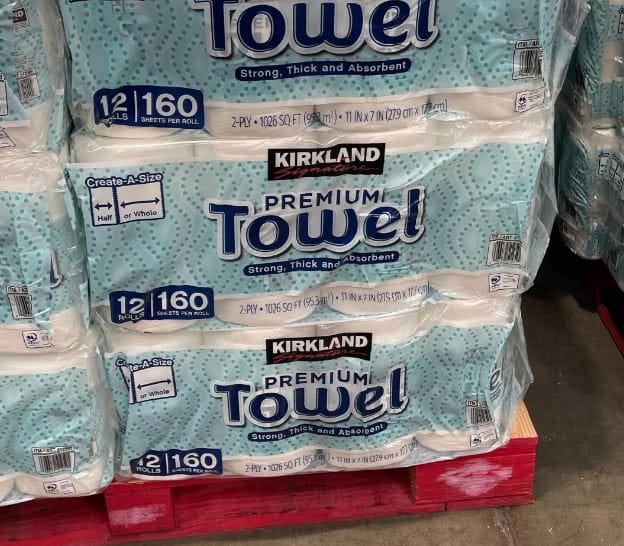
The question of whether vinegar can dissolve a paper towel is a common one, often arising from plumbing mishaps or curious experimentation. The simple answer is no, vinegar will not dissolve a paper towel in the way that a powerful chemical might dissolve a metal. However, the interaction between vinegar and paper is more nuanced than a simple yes or no, involving chemistry, time, and the physical structure of the paper itself.
This article provides a detailed, professional analysis of what happens when vinegar meets paper towel, dispelling myths and providing practical, science-backed information.
The Chemistry of Paper and Vinegar
To understand why vinegar doesn’t dissolve paper, one must first understand the chemical nature of both substances.
What is Paper Towel Made Of?
Paper towels are composed primarily of cellulose, a complex carbohydrate and the main structural component of plant cell walls. Cellulose is a polymer made up of long chains of glucose molecules linked by strong hydrogen bonds. These chains form strong microfibrils, creating a fibrous, interwoven structure that gives paper its strength and absorbency .
What is Vinegar?
Vinegar is a diluted solution of acetic acid, typically containing 4-8% acetic acid by volume for household culinary use. Acetic acid is a weak organic acid, meaning it does not fully dissociate into ions in water.

The Interaction: Acid and Cellulose
The core of the matter lies in the reaction between acetic acid and cellulose. Cellulose is a remarkably stable polymer that is resistant to degradation by weak acids under normal conditions. The acetic acid in vinegar does not break the glycosidic bonds that hold the glucose units together in the cellulose chain. Therefore, it does not chemically “dissolve” the cellulose fibers.
However, vinegar does interact with paper in other observable ways. It is a polar solvent, and paper is a polar material. This allows vinegar to act as a solvent, helping to wet the paper and potentially break down some of the hydrogen bonds between the fibers. This is a physical, rather than a chemical, change. It is also the principle behind using vinegar and baking soda as a natural drain cleaner; the fizzing action (a chemical reaction between the acid and a base) can help dislodge physical debris, not dissolve the paper itself .
Vinegar vs. Paper Towel: A Comparative Analysis
To clarify the effects of various solvents on paper, the table below provides a comparative analysis based on chromatography studies and practical applications .
| Solvent | Polarity (Scale 1-5) | Suitability for Paper | Effect on Paper Towel | Key Chemical Interaction |
|---|---|---|---|---|
| Vinegar (Acetic Acid) | 3 – Medium | Good | Swells fibers, breaks some hydrogen bonds. Does not dissolve cellulose. | Physical weakening; acid-base reactions with additives like calcium carbonate. |
| Water | 1 – Most Polar | Good | Swells and weakens fibers, making it easier to tear. | Physical weakening; dissolves water-soluble sizing agents. |
| Acetone (Nail Polish Remover) | 4 – Low Polarity | Good | Swells some synthetic papers; can dissolve some coatings. | Dissolves certain plastics and inks, but not cellulose. |
| Vegetable Oil | 5 – Least Polar | Poor | Soaks fibers, making them transparent and greasy. Does not dissolve. | Physical; non-polar solvent interacts with hydrophobic areas. |
The “Vinegar Syndrome” and Cellulose Degradation
An interesting parallel exists in the field of archival science. The degradation of cellulose acetate film, commonly known as “vinegar syndrome,” occurs when the film releases acetic acid as it breaks down. This acetic acid acts as a catalyst, accelerating the degradation of the cellulose acetate polymer .
It is crucial to note that this process is distinct from paper towel degradation. The “vinegar syndrome” affects cellulose acetate, a chemically modified form of cellulose (an ester), not the native cellulose found in paper towels. While the odor produced is the same, the degradation process is much more severe for cellulose acetate. The acetic acid produced in the film breaks the polymer chains, leading to embrittlement and shrinkage . This is a chemical breakdown of the modified cellulose, which does not occur with vinegar and standard paper.
Practical Implications and Myths
The belief that vinegar can dissolve paper towels is a myth, but it is rooted in some practical observations.
Plumbing and Drain Clogs
One of the most common contexts for this question is plumbing. Paper towels should never be flushed down a toilet. They are designed to be durable and do not disintegrate in water like toilet paper, making them a leading cause of clogs . While some sources suggest vinegar can help break down paper towel clogs, it does not dissolve them. It may help soften the fibers and, combined with physical agitation (like a plunger or plumbing snake), can aid in dislodging the clog . A mixture of baking soda and vinegar is a recommended natural method for regular drain maintenance due to its fizzing action and mild acidity, but it is not a solution for a solid paper towel blockage .
The Eggshell Experiment
A classic science experiment demonstrates vinegar’s power against calcium carbonate, not cellulose. When an eggshell is submerged in vinegar, the acetic acid reacts with the calcium carbonate, producing carbon dioxide gas (the bubbles) and leaving behind a flexible membrane . The eggshell dissolves because it is composed of calcium carbonate, a compound highly susceptible to weak acids. Paper towels, composed of cellulose, do not contain this reactive compound.
Conclusion
In conclusion, vinegar will not dissolve paper towel. The acetic acid in vinegar is a weak acid that is incapable of breaking down the strong cellulose polymer chains that form the paper’s structure. While vinegar can physically weaken and swell the fibers by disrupting hydrogen bonds, it does not chemically break the cellulose down into a soluble form.
Any practical application of vinegar on paper, such as unclogging drains or cleaning, relies on its properties as a mild solvent and its ability to react with other substances like baking soda or mineral deposits, rather than any “dissolving” power over the paper itself. For the purposes of science and plumbing, it is clear that paper towel should be kept out of drains, and chemical dissolution should not be expected from household vinegar.