Why Your House is Full of Static Electricity & How to Fix It
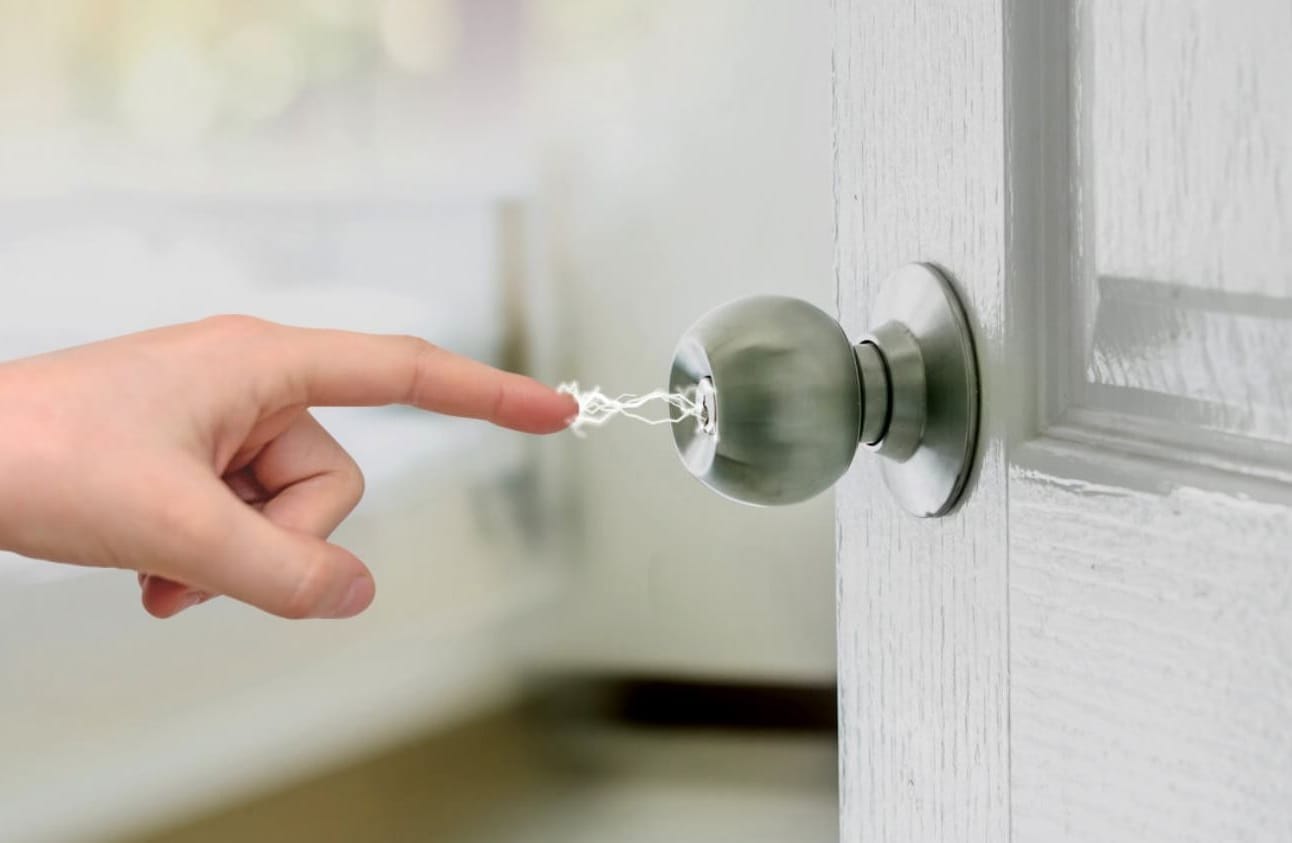
That sudden, sharp shock when you touch a doorknob. The way your hair stands on end or your clothes cling uncomfortably. If your home feels like a science experiment in electrostatics, you’re not alone. High levels of static electricity are a common household issue, especially during colder months.
But what causes it, and more importantly, how can you stop it? This guide will walk you through the reasons and provide practical solutions to reclaim your shock-free sanctuary.
What Is Static Electricity, Anyway?
At its core, static electricity is an imbalance of electric charges within or on the surface of a material. This imbalance persists until it can be released, often in the form of a quick zap to a metal object that acts as a conductor.
As Dr. Anne Hamilton, a materials scientist, explains: “Think of it like a battery. Friction—like walking across a carpet—charges your body up. When you touch a conductor, like a metal lamp, that stored energy discharges all at once, creating the shock. The dry air in your home acts as an insulator, preventing the charge from leaking away slowly and allowing it to build up to a much higher potential.”
The #1 Culprit: Low Humidity is Your Home’s Arch-Nemesis
The single most significant factor behind excessive static electricity in your home is a lack of moisture in the air, also known as low humidity.
Water molecules in the air are excellent at conducting electricity. When the air is humid, the microscopic charges building up on you and your belongings are constantly being neutralized by the moisture in the air. But when the air is dry, this natural discharge process can’t happen. The charge has nowhere to go, building up until it finds a path to ground—often through your fingertip.
Seasonal Static: Why It’s Worse in Winter
This explains why static shocks are a much bigger problem in the winter. Cold air holds less moisture than warm air. When you crank up your furnace, you are heating that already dry air, causing the relative humidity indoors to plummet to desert-like levels, sometimes as low as 10-20%. This creates the perfect storm for static buildup.
Other Common Causes of Household Static
While low humidity is the primary driver, other factors contribute to the problem.
- Synthetic Materials: Carpets, rugs, and clothing made from synthetic fibers like nylon, polyester, and acrylic are notorious for generating static charge through friction.
- Heating Systems: Forced-air heating systems circulate dry, warm air throughout the house, exacerbating the low-humidity issue.
- Certain Types of Flooring: Carpet, especially with a synthetic backing, is a major generator of static charge compared to hardwood, tile, or laminate.
Carpet vs. Hardwood: The Static Showdown
The table below illustrates why your flooring choice has a big impact.
| Feature | Carpeted Flooring | Hardwood/Laminate Flooring |
|---|---|---|
| Static Generation | High (especially synthetic fibers) | Low |
| Friction with Soles | High | Low |
| Moisture Retention | Varies, but generally low | Very Low |
| Overall Static Risk | High | Low |
The Hidden Impacts: More Than Just a Nuisance Shock
While mostly just annoying for humans, static electricity can pose real risks.
- Electronics Damage: A sudden electrostatic discharge (ESD) can fry the delicate microchips in your computer, television, or gaming console. It’s one of the leading causes of premature electronics failure.
- Fire Hazard: In extremely rare cases with a perfect storm of factors (like the presence of flammable gas or fine dust), a static spark can act as an ignition source.
An IT professional, Mark Chen, advises: “We always use anti-static wrist straps when handling internal computer components for a reason. That tiny zap you feel can carry thousands of volts—more than enough to damage a sensitive circuit board. It’s a good practice to always touch a metal part of your computer case before handling any internal components.”
The Ultimate Anti-Static Action Plan: How to Reduce Static in Your Home
Fighting static is all about restoring balance. Here are the most effective solutions, starting with the most impactful.
1. Add Moisture to the Air with a Humidifier
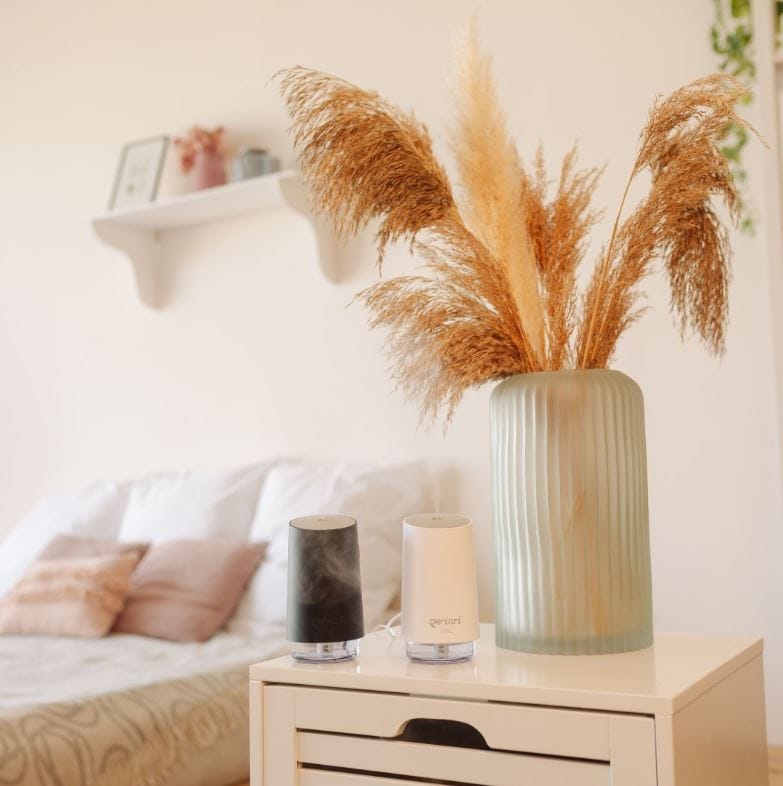
This is your most powerful weapon. By using a humidifier to raise your home’s relative humidity to a comfortable 40-50%, you introduce enough moisture into the air to allow charges to dissipate naturally. Whole-house humidifiers can be installed on your furnace, or you can use portable units in the driest rooms (like bedrooms).
2. Choose Natural Fibers for Furnishings and Clothing
Opt for materials that are less prone to creating static.
- Wear: Cotton, wool, and silk.
- Avoid: Polyester, nylon, and acrylic.
- Home Decor: Use natural fiber rugs (like wool or cotton) over synthetic ones.
Anti-Static Spray & Dryer Sheet Effectiveness
| Solution | How It Works | Best For | Pros & Cons |
|---|---|---|---|
| Humidifier | Increases air conductivity | Whole-home solution | Pro: Most effective, health benefits. Con: Requires maintenance. |
| Natural Fibers | Reduces charge generation | Clothing, blankets, rugs | Pro: Long-term, natural solution. Con: Can be more expensive. |
| Fabric Softener / Dryer Sheets | Coats fibers to reduce friction | Laundry | Pro: Easy, convenient. Con: Temporary, can irritate skin. |
| Anti-Static Spray | Adds a conductive layer | Upholstery, carpets, clothes | Pro: Immediate effect on fabrics. Con: Needs reapplication. |
3. Hydrate Your Skin and Home
Dry skin is more prone to static. Use lotions and moisturizers regularly. For quick fixes on upholstery or carpets, lightly misting with water from a spray bottle (be careful not to over-wet) can help.
4. Ground Yourself
Before touching a metal object that might shock you, first touch it with a key or another metal object. The spark will jump from the key instead of your skin, and you won’t feel the shock.
Conclusion: A Shock-Free Home is Within Reach
Excessive static electricity is almost always a sign that the air in your home is too dry. By understanding the role of humidity and the materials in your home, you can take effective steps to solve the problem. Investing in a humidifier and being mindful of the fabrics you bring into your home are the two most powerful changes you can make. Say goodbye to the jolts and enjoy a more comfortable, static-free living environment.