Phenolic Yellowing in Carpets: A Complete Guide on Causes and How to Fix It

You’ve just moved a piece of furniture or rolled back a pristine, white carpet, only to find an unsettling yellow or brown stain lurking beneath. This frustrating phenomenon has a name: Phenolic Yellowing. It’s a common but often misunderstood issue that can affect even the highest quality carpets.
This comprehensive guide will explain what phenolic yellowing is, what causes it, and, most importantly, how you can attempt to fix it and prevent it from happening again.
What is Phenolic Yellowing?
Phenolic yellowing is a chemical reaction that causes white and light-colored textiles, like carpets and rugs, to discolor into shades of yellow or brown. Unlike a dirt stain, it is not caused by a spill or lack of cleaning. Instead, it is the result of invisible gases given off by certain materials reacting with chemicals (nitrates) left in the carpet fibers.
Expert Insight: “Phenolic yellowing is often a ‘whodunit’ mystery for homeowners. The stain appears from nowhere, but the reactants have been present for weeks or months, trapped under furniture or in storage. It’s a perfect storm of chemistry and environment.” – Textile Care Specialist
The Science Behind the Stain: What Causes It?
The yellowing process requires three key components to occur:
- Nitrogen Oxides (NOx): These gases are found in polluted air, vehicle exhaust, and can be produced by gas appliances. They are absorbed by the carpet fibers.
- Phenols: These are antioxidant chemicals found in many common packaging materials, especially the plastic films and foam used to wrap carpets, furniture, and other goods. They are also found in certain adhesives and rubber materials.
- An Alkaline Environment: When a carpet is cleaned with a high-pH (alkaline) cleaner and not thoroughly rinsed, the residue creates the perfect chemical condition for the reaction to accelerate.
When a carpet containing nitrate residues is stored or pressed against a phenolic material (like plastic wrapping) in a confined space with limited airflow, the phenols gas off and react with the nitrates, creating the yellow discoloration.
Common Sources of the Problem
| Source of Nitrates (NOx) | Source of Phenols | Common Scenario |
|---|---|---|
| Vehicle exhaust fumes | Plastic packaging film | A carpet stored in a garage near a car. |
| Gas heaters/appliances | Polyethylene foam padding | Furniture with phenolic foam resting on carpet. |
| Atmospheric pollution | Certain rubber backings | A new area rug with a rubber non-slip pad. |
| Fertilizers & Chemicals | Cardboard & adhesives | Carpets stored in warehouses or sheds. |
How to Fix Phenolic Yellowing: A Step-by-Step Guide
Important Note: Phenolic yellowing can be permanent. The success of these methods depends on the severity of the stain and the type of carpet fibers. Always test any treatment on an inconspicuous area first, such as a closet or a leftover scrap.
Step 1: The Initial Clean
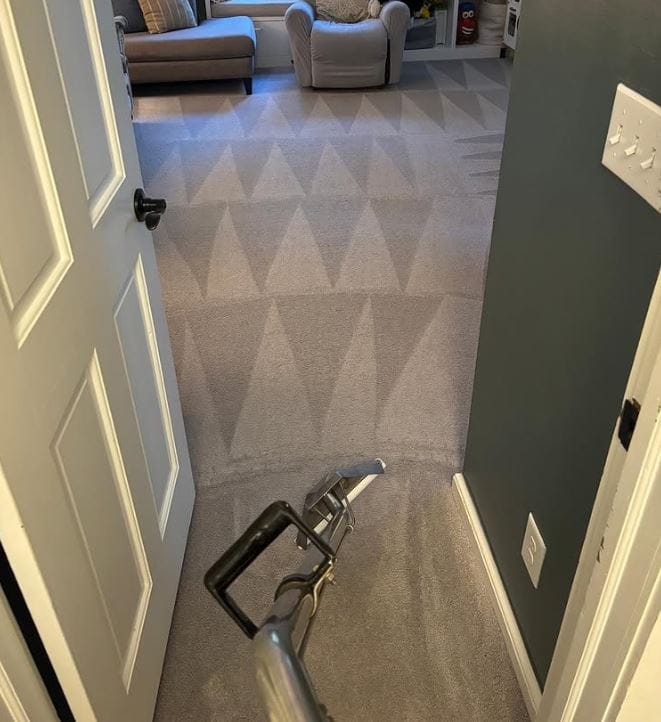
Sometimes, the yellowing is superficial. Begin by vacuuming the area thoroughly. Then, mix a solution of cool water and a small amount of a neutral pH (around 7) carpet shampoo. Gently agitate the stain with a soft-bristled brush and blot with a clean, white towel. Do not overwet the carpet.
Step 2: The Acid Rinse Treatment
Since the reaction thrives in an alkaline environment, an acidic rinse can sometimes reverse it. This is the most common professional recommendation.
- Mix a solution of one tablespoon of white vinegar per cup of cool water.
- Apply the solution to the stained area and gently agitate.
- Allow it to sit for 10-15 minutes.
- Blot thoroughly with clean, absorbent towels to remove the solution.
- Repeat the process if you see improvement.
Step 3: Advanced Chemical Treatment
If vinegar fails, a specialized chemical treatment may be necessary. Oxidizing agents can break down the yellow dye molecules.
- Hydrogen Peroxide Method: Use a 3% hydrogen peroxide solution. Apply lightly, let it sit for no more than an hour, and blot thoroughly. Be cautious, as hydrogen peroxide can bleach some dyes.
- Commercial Anti-Yellowing Sprays: Products specifically designed to treat phenolic yellowing are available. Follow the manufacturer’s instructions meticulously.
Safety First: Wear gloves and ensure good ventilation when using chemicals.
Step 4: When to Call a Professional Carpet Cleaner
If your own efforts are unsuccessful, it’s time to call a certified professional. They have access to stronger, more effective chemicals and equipment that can deeply flush the carpet fibers without overwetting the backing or pad.
Pro Advice: “When a customer calls about a mysterious yellow stain, phenolic yellowing is high on our list. We often use a low-pH, anti-yellowing agent followed by a powerful extraction rinse. The key is neutralizing the alkaline residues that fuel the reaction. Home remedies can work, but for severe cases, professional-grade chelating agents are necessary.” – Master Cleaner, IICRC Certified
Prevention is Better Than Cure: How to Stop Yellowing Before It Starts
You can easily prevent phenolic yellowing by being proactive with your carpet care and storage.
- Avoid Plastic Wraps: Never store carpets long-term in plastic wraps, especially non-breathable polyethylene. Use breathable cotton sheets or paper-based wraps instead.
- Ensure Proper Ventilation: Keep rooms well-ventilated, particularly after cleaning or if you have gas appliances.
- Rinse, Rinse, Rinse: After any deep cleaning, ensure all alkaline cleaning residues are thoroughly rinsed and extracted. This is a critical step often missed in home cleaning.
- Use Rug Pads Wisely: Choose rug pads made from felt or other natural, non-reactive materials instead of those with rubber or PVC backings that may contain phenols.
- Rotate Furniture: Periodically move area rugs and furniture to prevent the buildup of gases and pressure in one spot.
Conclusion
Phenolic yellowing is a complex chemical issue, not a simple stain. While it can be a stubborn and disheartening problem, understanding its causes gives you the power to fight it. Start with gentle cleaning and an acidic vinegar rinse before moving to stronger treatments. When in doubt, enlist the help of a professional to save your valuable carpet. By following the preventive measures, you can ensure your light-colored carpets stay bright and beautiful for years to come.