What You Need to Know About Replacing Your Air Conditioner
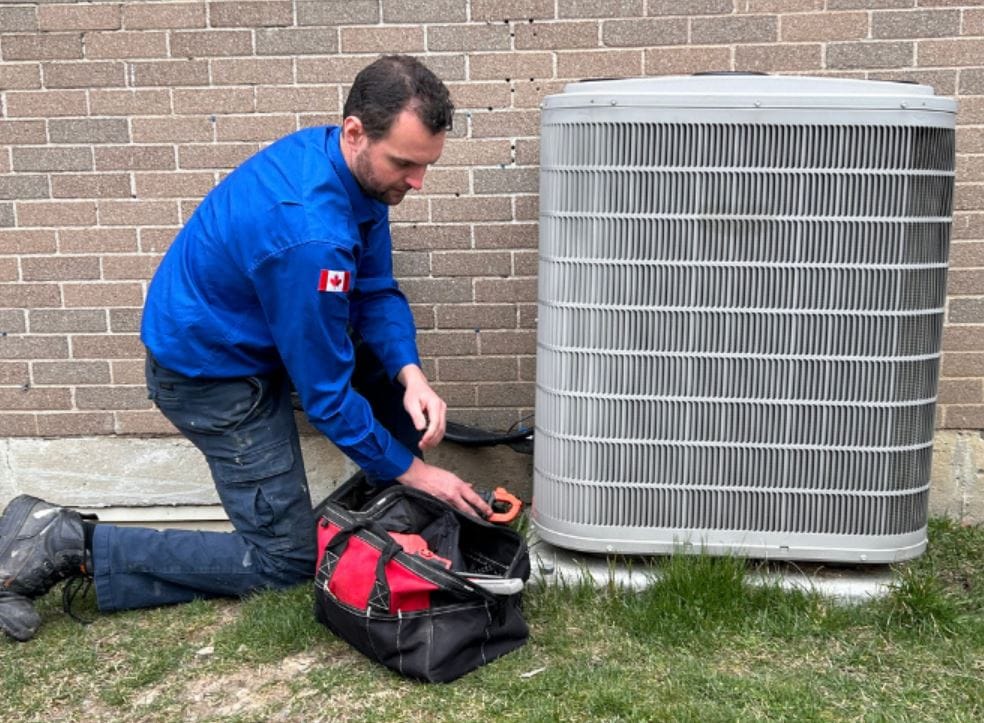
Replacing an air conditioner is a significant investment, and making the right decision requires careful consideration of several factors—from efficiency ratings and system sizing to installation costs and long-term savings. While a malfunctioning unit might tempt you to rush into a purchase, taking the time to evaluate your options can save you money, improve comfort, and even reduce your environmental impact. Here’s what you need to know before making the switch in using an air conditioner repair and service – this page.
1. Signs It’s Time for a Replacement
Not every AC issue warrants a full replacement, but some red flags indicate it’s more cost-effective to upgrade rather than repair. If your system is over 10–15 years old, requires frequent repairs, or struggles to maintain consistent temperatures, a new unit may be the smarter choice. Rising energy bills are another telltale sign—older systems lose efficiency over time, forcing them to work harder and consume more power. Additionally, if your home feels excessively humid or certain rooms never cool properly, your current system might be undersized or failing.
2. Choosing the Right System for Your Home
Air conditioners come in various types—central air, ductless mini-splits, heat pumps, and window units—each with its own advantages. Central air conditioning is the most common for whole-house cooling, while ductless systems offer flexibility for homes without existing ductwork. According to a heat pump replacement services Columbus OH, heat pumps are an increasingly popular option because they provide both heating and cooling, making them ideal for moderate climates.
When selecting a new unit, pay attention to:
- SEER Rating (Seasonal Energy Efficiency Ratio): The higher the SEER, the more efficient the system. Modern units typically range from 14 to 25 SEER.
- Proper Sizing: An oversized AC will short-cycle (turn on and off frequently), wasting energy, while an undersized one will run constantly without cooling effectively. A professional load calculation (Manual J) ensures the right fit.
- Smart Features: Many newer models include Wi-Fi thermostats, zoning capabilities, and variable-speed compressors for better efficiency and control.
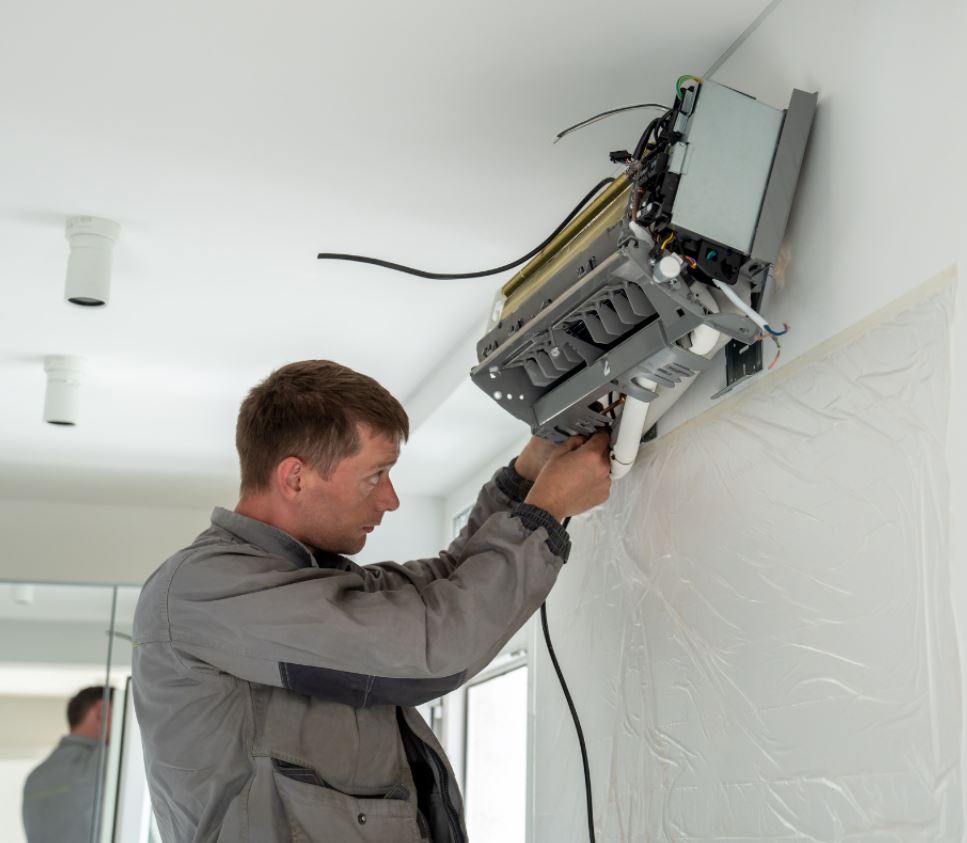
3. Understanding Installation Costs
The price of a new air conditioner varies widely based on system type, brand, and installation complexity. On average, homeowners spend between $3,500 and $7,500 for a central AC replacement, while ductless mini-splits can range from $2,000 to $10,000 depending on the number of zones.
Additional factors that affect cost include:
- Ductwork modifications or repairs (if your existing ducts are leaky or poorly designed).
- Electrical upgrades (some high-efficiency systems require updated wiring).
- Permits and local regulations, which vary by region.
While it may be tempting to choose the cheapest option, investing in a quality installation ensures better performance and longevity. A poorly installed system can lead to inefficiency, frequent breakdowns, and even premature failure.
4. Rebates, Tax Credits, and Financing
Replacing an old AC with a high-efficiency model may qualify you for rebates from utility companies or federal tax credits. The IRA (Inflation Reduction Act) offers incentives for Energy Star-certified heat pumps and certain HVAC upgrades. Check with local providers and the Database of State Incentives for Renewables & Efficiency (DSIRE) for available savings.
If upfront costs are a concern, many HVAC companies offer financing options, including low-interest loans or payment plans, making it easier to spread out expenses.
5. Hiring the Right HVAC Contractor
A properly installed air conditioner is just as important as the unit itself. Look for a licensed, insured contractor with strong reviews and experience with your chosen system type. Ask for:
- A detailed written estimate (including labor, equipment, and warranties).
- Proof of NATE (North American Technician Excellence) certification, which indicates advanced training.
- References or examples of past installations.
Avoid contractors who pressure you into unnecessary upgrades or provide vague quotes. A reputable professional will perform a thorough home evaluation before recommending a system.
6. Maintaining Your New AC for Longevity
Once your new air conditioner is installed, regular maintenance is key to maximizing its lifespan. Schedule annual tune-ups, change filters monthly (or as recommended), and keep the outdoor unit clear of debris. Proper care can extend the life of your system by years and prevent costly repairs.
Final Thoughts
Replacing an air conditioner is a major decision, but with the right research and professional guidance, you can ensure better comfort, lower energy bills, and a system that lasts for years to come. By evaluating your needs, exploring efficiency options, and choosing a qualified installer, you’ll make an investment that pays off in both performance and peace of mind.
If your current system is on its last legs, don’t wait until the peak of summer—start planning your replacement today to avoid emergency breakdowns and sweltering heat.