The Ultimate Guide: How to Get Odor Out of Boots for Good
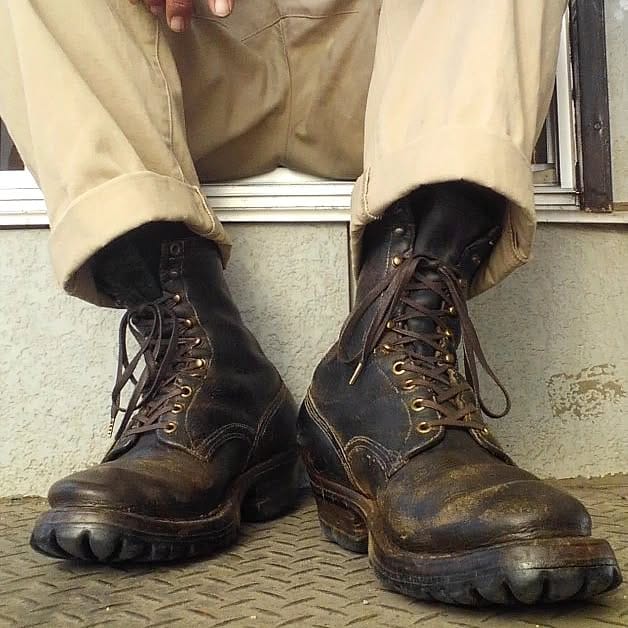
Boot odor is more than just an embarrassment; it’s a common battle fought by hikers, workers, athletes, and everyday boot wearers alike. That stubborn, unpleasant smell emanating from your favorite footwear is usually the result of bacteria and fungi thriving in the dark, moist, and salty environment created by sweat. The good news? With the right strategies, you can banish boot odor permanently and extend the life of your footwear.
Why Do Boots Smell?
Before tackling the odor, it’s crucial to understand its source. Your feet have about 250,000 sweat glands and can produce over a pint of moisture a day. When confined in boots, this creates a perfect breeding ground for microorganisms.
Dr. Sarah Miller, a podiatrist, explains: “Boot odor isn’t from the sweat itself—it’s from the bacteria that feed on it. Their metabolic waste produces isovaleric acid, the same compound found in many strong cheeses. Eliminating odor means eliminating the bacteria’s habitat.”
The Two-Pronged Approach to Odor Removal
- Eliminate Active Bacteria & Fungi: Kill the existing odor-causing microbes.
- Create an Unfriendly Environment: Prevent their return by managing moisture and using inhibitors.
Step-by-Step Boot Odor Removal Methods
Immediate Action: The Daily Defense
For light odor or daily maintenance, these steps are your first line of defense.
- Remove Insoles: After each wear, take out the insoles to allow them to air dry separately.
- Dry Thoroughly: Never put away damp boots. Use a boot dryer or stuff them with cedar shoe trees or crumpled newspaper. Cedar naturally absorbs moisture and odor.
- Use a UV Shoe Sanitizer: UV-C light can kill up to 99.9% of bacteria and fungi without chemicals.
Deep Cleaning: For Established Odor
When the smell is persistent, a deeper clean is required.
For Washable Boots (e.g., canvas, some synthetics):
- Check the care label.
- Remove laces and insoles.
- Hand wash or use a gentle machine cycle with a microbial detergent.
- Air dry completely—never use direct heat.
For Leather & Non-Washable Boots:
- Wipe the interior with a cloth dipped in a 50/50 mix of water and white vinegar or rubbing alcohol. Both are mild disinfectants.
- For leather, follow with a conditioner to prevent drying.
Odor Elimination Treatments: A Comparison
| Method | How It Works | Best For | Pros | Cons |
|---|---|---|---|---|
| Baking Soda | Absorbs moisture, neutralizes odors. | Mild odor, daily maintenance. | Inexpensive, non-toxic, readily available. | Temporary, messy powder residue. |
| Activated Charcoal | Adsorbs (binds) odor molecules & moisture. | Moderate odor, moisture control. | Highly effective, long-lasting in bags. | Needs to be “recharged” in sunlight. |
| Freezing | Low temperatures kill some bacteria. | A last-resort for severe cases. | Uses existing household appliance. | Not fully effective, can damage materials. |
| Vodka/Rubbing Alcohol | Disinfects and kills odor-causing bacteria. | Synthetic linings, athletic boots. | Evaporates quickly, no residue. | Can dry out leather, strong initial smell. |
| Commercial Disinfectant Sprays | Chemical agents (often benzalkonium chloride) kill microbes. | All boot types, especially work boots. | Convenient, often provides lasting protection. | Can contain harsh chemicals, may cause irritation. |
| Tea Tree or Eucalyptus Oil | Natural antifungal and antibacterial properties. | Mild to moderate odor, natural solution. | Pleasant scent, antimicrobial. | Essential oils can stain; always dilute. |
Jake Reynolds, veteran hiking guide, advises: “I swear by a weekly routine. Every Sunday, I sprinkle baking soda in my hiking boots, leave it overnight, and shake it out. Then, I pop in cedar wood inserts. My boots have lasted years and never smelled, even after the wettest trails.”
Prevention: The Key to Odor-Free Boots
Conquering odor is a victory, but preventing its return is the real win.
- Wear Moisture-Wicking Socks: Invest in merino wool or synthetic blend socks. Avoid cotton, which retains moisture.
- Rotate Your Boots: Never wear the same pair two days in a row. A 24-48 hour rest allows them to dry completely.
- Use Foot Powder or Antiperspirant: Apply a medicated foot powder or a gentle foot antiperspirant to your feet before booting up.
- Store Smart: Keep boots in a cool, dry place with activated charcoal deodorizer bags placed inside.
- Wash Your Feet: Scrub feet daily with antibacterial soap, and ensure they are completely dry before putting on boots.
Special Considerations: Work Boots & Athletic Boots
- Work Boots: These endure extreme conditions. Consider removable, washable insoles and a dedicated boot dryer. A nightly spray with a commercial disinfectant is often necessary.
- Athletic/Ski Boots: Focus on rapid drying. Electric boot dryers are a worthy investment. Also, use thin, wicking liner socks under your primary socks.
When to Call It Quits
If a foul, pungent odor persists despite all efforts, it may indicate a severe fungal or bacterial infestation that has compromised the boot’s materials. For health reasons, it may be time to replace them.
Final Step: Enjoy Your Fresh Boots
Eliminating boot odor is a blend of immediate action, effective treatment, and consistent prevention. By integrating these strategies, you’re not just saving your nose and your social dignity—you’re also taking better care of your investment, ensuring your boots are comfortable, durable, and ready for any adventure, odor-free.