The Role of Commercial Ceiling Beams in Design
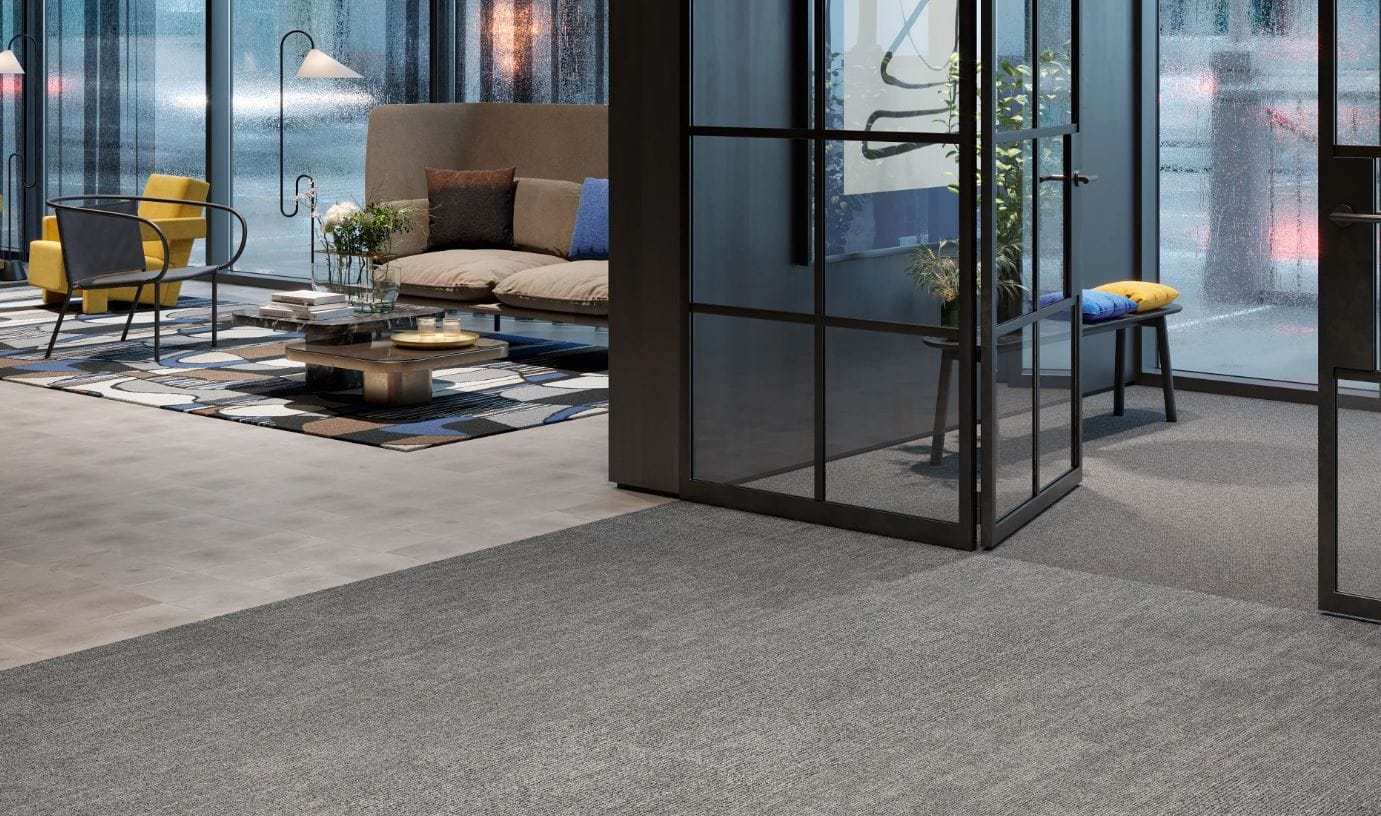
In the realm of interior design, the increased focus on aesthetics, acoustics, and functionality has led to innovative approaches in structural elements. One such element, commercial ceiling beams, has become pivotal in transforming spaces, striking a balance between form and function. An example of an advanced system is the MAXISLAT ceiling beam system, which exemplifies how architectural features can enhance commercial environments. These beams are not just supportive structures; they are key design components that contribute significantly to the aesthetic and acoustic values of a space.
The Evolution of Ceiling Beams
Historically, ceiling beams were primarily used for structural integrity. Made from timber, stone, or metal, these beams supported the weight of ceilings and provided stability to buildings. However, in modern design, their role has evolved significantly. Architects and designers now leverage the visual appeal of ceiling beams to add character and depth to open spaces, seamlessly integrating them into the building’s overall design language.
Material Diversity and Customisation
Today, commercial ceiling beams are available in a plethora of materials including wood, metal, and composite materials. This variety allows for a high degree of customisation, enabling designers to align the beams with the interior’s theme and requirements. For instance, wooden beams may be preferred for their warmth and natural appearance, while metal beams might be chosen for an industrial look. Composite beams, on the other hand, offer flexibility with a combination of durability and acoustical benefits.
Enhancing Acoustics
In commercial settings, controlling sound is a critical aspect of design. Ceiling beams can play a crucial role in enhancing acoustics, particularly in large open spaces like offices, restaurants, and conference halls. Modern beam systems, such as those incorporating innovative acoustic technologies, are designed to absorb sound and reduce noise levels. This not only improves the auditory experience within a space but also contributes to the occupants’ comfort and productivity.
Aesthetic Contributions
Ceiling beams offer significant aesthetic potential, transforming an ordinary ceiling into an architectural focal point. By utilising various finishes, textures, and lighting integrations, designers can create visually compelling ceiling landscapes. Beams can be aligned symmetrically for a clean, orderly look, or installed in a more artistic, asymmetrical configuration for a bold statement, ensuring that the ceiling complements the spatial narrative of the room.
Impact on Spatial Dynamics
Beyond their visual and acoustic benefits, commercial ceiling beams can alter the perception of a space’s dimensions and orientation. Introduce beams in lower ceilings can draw the eye upward and create an illusion of height, making a room feel more expansive. Additionally, strategically placed beams can divide open areas into more intimate sections, guiding occupant flow while maintaining an open feel.
In conclusion, the role of commercial ceiling beams in design is multifaceted, extending beyond mere support to become integral components of a modern architectural strategy. As design trends continue to evolve, the versatility and functionality of ceiling beams ensure their ongoing importance in shaping not only the aesthetic appeal but also the functional efficiency of commercial spaces.
Ben Austin is the founder and CEO of Absolute Digital Media, a UK-based SEO and digital marketing agency established in 2008. The agency specialises in regulated industries including iGaming SEO, financial services, legal, and healthcare, and has accumulated over 175 industry awards. Ben has 17 years of hands-on experience in technical SEO, link acquisition, and search strategy for compliance-sensitive sectors. He writes on organic search, AI-driven visibility, and LLM citation optimisation.