Smart Ways to Build a Hospitality Standard Without Hiring More Staff
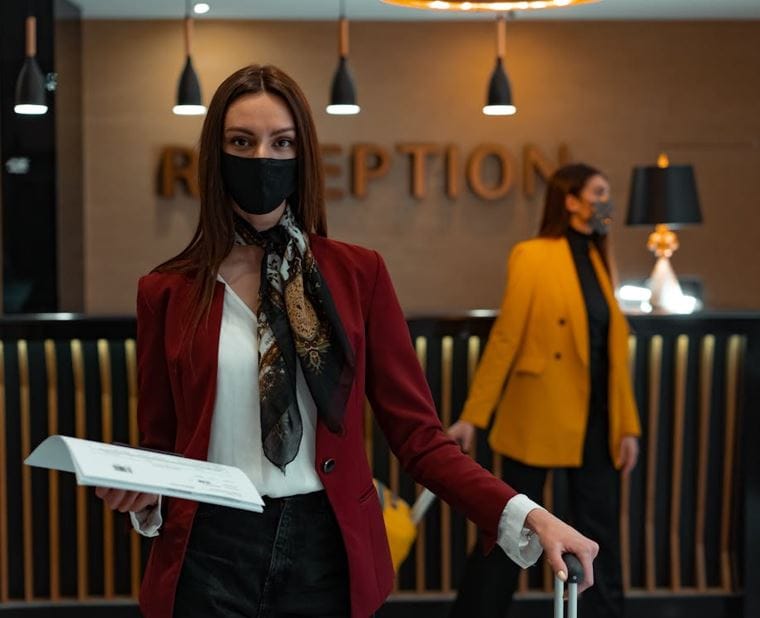
Good hospitality goes beyond nice rooms and tasty meals. It is really about how people feel when they walk through the door and the attention they receive during their stay. A strong hospitality standard helps guests feel comfortable, valued, and more likely to return.
The common idea is that improving service means hiring more staff. More people might seem like the answer to faster check-ins, cleaner rooms, or quicker table service. However, hiring adds pressure to the budget, increases training time, and does not always guarantee better results.
There are still ways to keep guests happy and service consistent without growing the team. With better tools and clearer systems, the staff you already have can meet higher standards. Here is how to make that happen.
Standardise Procedures to Reduce Confusion
Start with routines that every team member can follow. When tasks like room preparation, check-in steps, or table setup follow the same pattern, mistakes are reduced. Staff do not need to guess what to do next, and guests receive a consistent experience.
Clear procedures also speed up service. Instead of asking questions, your team can act right away. This saves time and boosts confidence during busy shifts.
Linen management shows this in action. Services like Linen Hub deliver and collect clean linen, which lightens the in-house workload. With less time spent on laundry, staff can focus on serving guests rather than working behind the scenes all day. This improves both speed and quality.
You can also post simple visual guides in staff areas to keep instructions clear and visible. This small step can reduce training time and improve daily performance.
Leverage Technology to Streamline Service
Digital tools can reduce the need for extra staff by speeding up repetitive tasks. Systems for online booking, digital check-ins, and table reservations free up valuable time for team members. Instead of answering the same questions all day, staff can focus on direct guest support.
Technology does not replace hospitality. It supports it by taking pressure off staff and giving them more time to engage with guests. A guest may use a tablet to sign in, but a friendly smile and helpful direction still require a person behind the desk.
These tools also improve accuracy. Digital logs help prevent booking, payment, or inventory errors, which leads to fewer awkward conversations and smoother experiences. Handheld ordering devices and task-tracking apps help managers monitor progress without micromanaging. This visibility keeps teams aligned and reduces missed work.
Train Current Staff for Better Efficiency
A small investment in training can go a long way. Instead of long sessions that pull staff away from the floor, short and focused lessons each week help build skill and confidence. Covering one topic at a time, such as upselling, greeting techniques, or handling complaints, keeps learning simple and effective.
Staff who feel skilled also feel more in control of their work. They respond faster, need less guidance, and make fewer mistakes. This creates a smoother operation and helps guests feel well cared for.
It is also helpful to encourage role sharing. When a cleaner can assist at the reception during a rush, or a front desk agent can guide guests to their rooms, the team becomes more flexible. This kind of cross-training is one of the simplest ways to extend team capacity without stretching the budget.
Adding checklists and refresher materials helps staff stay sharp even weeks after a session. It reinforces learning without requiring extra time or resources.
Use Guest Feedback to Improve Service
Feedback provides a clear picture of what is working and what needs to change. Short surveys at checkout or follow-up emails asking about the stay often lead to honest and useful responses. This is a direct way to learn what matters most to guests.
When common patterns appear, such as delays in check-in or missing towels, you can take targeted action. This may involve adjusting shift times, improving stocking routines, or training staff in a specific area. Problems are addressed at the source through smarter changes rather than additional hiring.
Guests also appreciate being asked for their opinion. It shows that the business cares, which can improve their overall impression even before changes are made. Following up with visible improvements based on feedback often builds trust and encourages repeat visits.
You can also create a simple feedback board in staff areas to share compliments and highlight opportunities for improvement. This keeps the team connected to the guest experience and encourages ongoing growth.
Create a Culture of Accountability
When people take pride in their work, they need fewer reminders. This starts with clear expectations and open communication. Every team member should understand their role, how success is measured, and how their actions affect the guest experience.
Recognition plays an important role. Thanking someone for spotting a mistake or stepping up during busy periods builds morale and strengthens team spirit. People tend to perform better when they feel noticed and appreciated.
It is equally important to address problems early and fairly. If someone misses a step, speak with them, explain what went wrong, and show how to improve. This prevents small issues from turning into lasting habits.
Rotating leadership for small responsibilities, such as assigning a daily shift lead, can build confidence and accountability. This approach gives staff a sense of ownership and reinforces that responsibility is shared across the team.
Final Thoughts
Raising hospitality standards does not require a larger team. Often, the tools, training, and teamwork needed are already in place, but they must be used more effectively. Consistency and attention to what matters most to guests make a meaningful difference.
With the right approach, your current staff can deliver high-level service without extra hires. In many cases, the smartest improvement comes not from increasing numbers but from strengthening how the team works together.