Is Goat Milk Soap Antibacterial? The Surprising Science Behind a Natural Cleanser
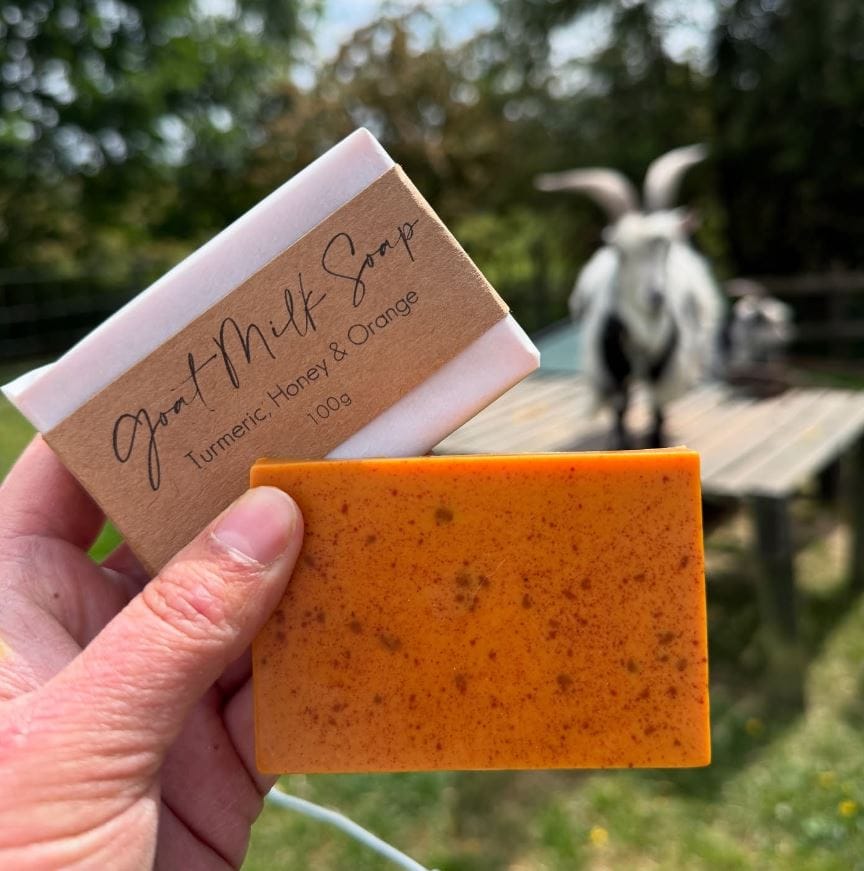
In the quest for clean, healthy skin, many are turning away from harsh chemical cleansers and embracing natural alternatives. Goat milk soap has surged in popularity, celebrated for its gentle, moisturizing properties. But a common question arises: Is goat milk soap antibacterial?
The answer is nuanced. While goat milk soap isn’t a laboratory-formulated disinfectant, it possesses unique, natural properties that create a clean and healthy skin environment. Let’s delve into the science to separate fact from fiction.
The Natural Antibacterial and Acidic Power of Goat Milk
Goat milk soap’s cleansing power doesn’t come from synthetic additives like triclosan. Instead, it relies on a powerful one-two punch: lactic acid and caprylic acid.
1. Lactic Acid: A Gentle Exfoliating Acid
Goat milk is a natural source of lactic acid, an alpha-hydroxy acid (AHA). Lactic acid is renowned in skincare for its ability to gently exfoliate the top layer of dead skin cells. But what does this have to do with bacteria?
- Disrupts the Environment: Bacteria thrive on dead skin cells and the biofilm they create. By removing this outer layer, lactic acid disrupts the ideal environment for bacteria to live and multiply.
- Supports Skin’s Acid Mantle: Our skin has a protective barrier called the “acid mantle,” a thin film with a slightly acidic pH (around 4.5-5.5). This acidity is crucial for keeping harmful bacteria at bay. Many commercial soaps are highly alkaline (pH of 9-10), which can strip this mantle, leaving skin vulnerable.
Expert Insight: “Think of lactic acid in goat milk soap as a gentle custodian, not a harsh exterminator. It doesn’t outright ‘kill’ all bacteria on contact like a surgical scrub, but it efficiently cleanses the skin’s surface and helps maintain its natural, slightly acidic defense system, which is inherently hostile to many pathogens.” – Dr. Emily Roberts, Dermatologist.
2. Caprylic Acid: A Potent Fatty Acid
Goat milk contains a medium-chain fatty acid called caprylic acid. This compound is well-known for its potent antimicrobial and antifungal properties. It works by breaking down the cell membranes of certain harmful bacteria and yeast, effectively neutralizing them.
Goat Milk Soap vs. Conventional Antibacterial Soap: A Head-to-Head Comparison
The key difference lies in the mechanism of action and the impact on your skin’s health.
| Feature | Goat Milk Soap | Conventional Antibacterial Soap |
|---|---|---|
| Primary Agent | Natural Lactic & Caprylic Acid | Synthetic Chemicals (e.g., Triclosan) |
| Mechanism | Gently exfoliates, supports skin’s acid mantle, and disrupts bacterial cell membranes. | Aggressively targets and kills a broad spectrum of bacteria (both good and bad). |
| Impact on Skin | Moisturizing, nourishing, and pH-balanced. Protects the skin’s microbiome. | Often drying and disruptive. Can strip natural oils and damage the acid mantle. |
| Spectrum | Selective; targets harmful bacteria while being gentler on the skin’s beneficial flora. | Broad-spectrum; eliminates nearly all bacteria it contacts. |
| Best For | Daily use, sensitive skin, eczema, psoriasis, and maintaining healthy skin. | High-germ environments (e.g., hospitals, food preparation) when mandated. |
This comparison highlights a critical point: goat milk soap cleanses with your skin’s biology, while many harsh antibacterial soaps work against it.
The Importance of a Healthy Skin Microbiome
Modern science has revealed that our skin is home to a vast ecosystem of beneficial bacteria known as the skin microbiome. These “good” bacteria are essential for protecting against pathogens, controlling inflammation, and supporting the skin’s barrier function.
Harsh, broad-spectrum antibacterial soaps can decimate this delicate ecosystem, much like antibiotics can disrupt gut flora. Goat milk soap, with its more targeted and gentle approach, helps cleanse the skin without wiping out the beneficial microbes that keep it healthy.
Artisan Soapmaker’s Perspective: “Our customers don’t come to us for a sterile clean; they come for a healthy clean. They report that after switching to goat milk soap, their skin feels balanced—less dry, less irritated, and fewer breakouts. This is a sign of a happy skin microbiome, which is the true foundation of skin health.” – Sarah Jenkins, Founder of ‘Pure Meadow Soaps’.
Conclusion: So, Is Goat Milk Soap a Good Choice?
Yes, absolutely. Goat milk soap offers a effective, natural form of antibacterial and antimicrobial action that is perfectly suited for daily hygiene.
- It uses lactic acid to exfoliate and support your skin’s natural defenses.
- It leverages caprylic acid to neutralize certain harmful bacteria.
- It is pH-balanced to respect and protect your skin’s acid mantle.
- It cleanses thoroughly without compromising your essential skin microbiome.
While it may not be the recommended choice for a surgeon preparing for surgery, it is an exceptional, nourishing option for anyone looking to maintain clean, balanced, and healthy skin every day. It proves that you don’t need harsh chemicals to be truly clean—sometimes, nature provides the most sophisticated solutions.