Introduction: Why Does Leather Get Sticky?
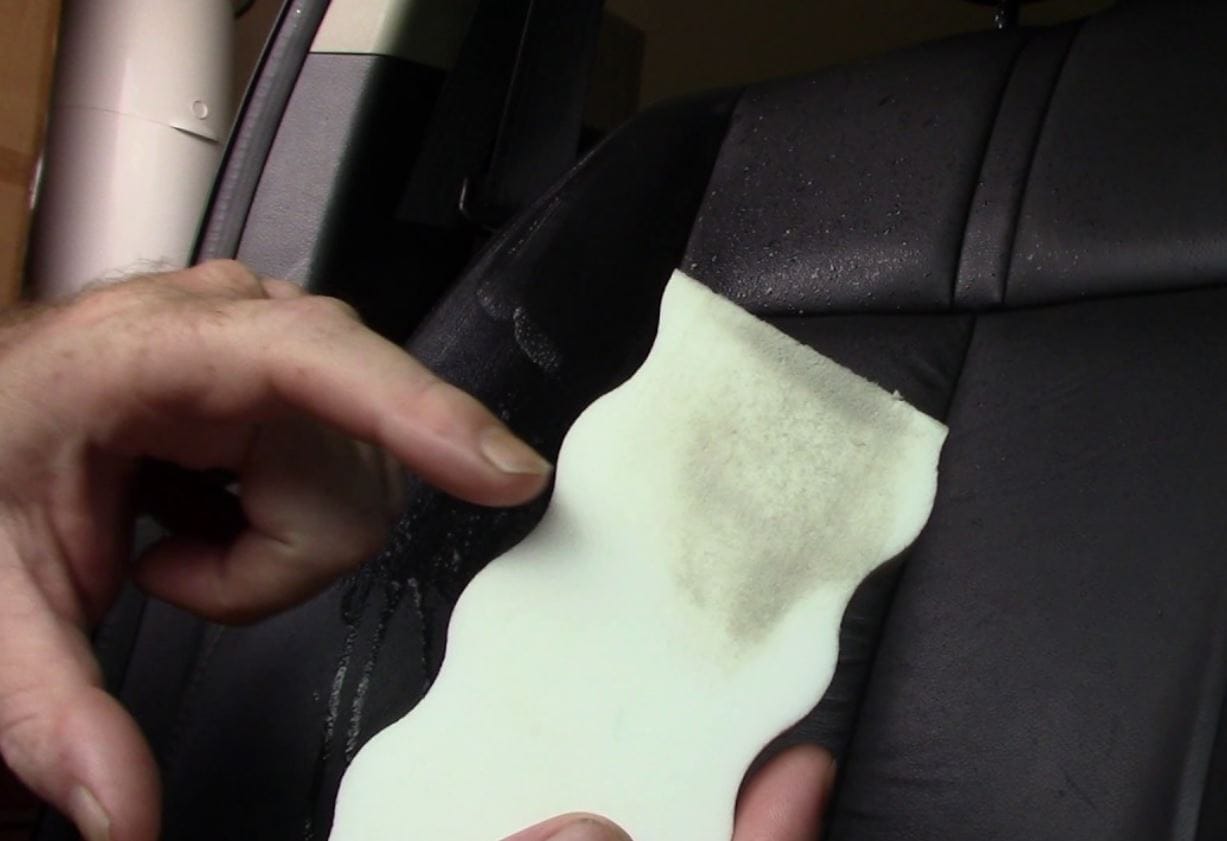
That unpleasant, tacky feeling on your favorite leather chair, car steering wheel, or jacket is a common frustration. Sticky leather isn’t just an aesthetic issue—it’s often a sign of material breakdown. Before you panic, know that in most cases, sticky leather can be effectively cleaned and restored.
The stickiness is typically caused by the breakdown of the polyurethane (PU) or plastic topcoat applied over cheaper or “bonded” leather, or the degradation of old leather conditioners and body oils. Heat, sunlight, and chemical exposure accelerate this process. This guide provides optimized, safe methods to tackle the problem without causing further damage.
What You’ll Need: The Cleaning Arsenal
Gather these supplies before starting. Using the right tools is half the battle.
| Essential Supplies | Optional/Advanced Supplies |
|---|---|
| Mild, pH-balanced leather cleaner | 99% Isopropyl Alcohol (for severe cases) |
| Microfiber cloths (multiple) | Leather degreaser |
| Distilled water | New leather conditioner/balm |
| Soft-bristled brush (toothbrush works) | Leather sealant/protector |
| White vinegar |
⚠️ Critical First Step: The Spot Test
Always test any cleaner on a small, inconspicuous area first (like a back seam or underside). Wait 24 hours to check for discoloration or damage.
Step-by-Step: How to Clean Sticky Leather
Follow this sequence for the safest and most effective cleaning.
Step 1: Dry Dusting
Use a dry, soft microfiber cloth to gently wipe the entire surface. This removes loose grit that could scratch the leather during washing.
Step 2: The Initial Wipe-Down
- Mix a solution of 1 part white vinegar to 1 part distilled water. Vinegar is a gentle, natural degreaser.
- Dampen a microfiber cloth in the solution and wring it out until it’s only slightly damp—never soaking wet.
- Wipe the sticky area in gentle, circular motions. You should see grime transferring to the cloth.
- Use a second, dry microfiber cloth to immediately buff the area dry.
- Result Check: For mild cases, this may be enough. If stickiness persists, proceed to Step 3.
Step 3: Deep Cleaning with Leather Cleaner
- Apply a small amount of pH-balanced leather cleaner to a damp microfiber cloth or soft brush.
- Gently work the cleaner into the sticky leather in small sections.
- Wipe away the cleaner and dissolved residue with a clean, damp cloth.
- Buff thoroughly dry with a separate dry cloth. Allow the leather to dry completely (1-2 hours).
Step 4: Tackling Severe Stickiness (The Last Resort)
If the topcoat is breaking down, a more aggressive approach may be needed.
- Put on gloves. Dampen a cotton ball with 99% isopropyl alcohol.
- Gently rub the sticky area. You will likely see the degraded, sticky coating lift onto the cotton ball.
- Immediately wipe the area with a cloth dampened with distilled water.
- Buff dry. Warning: This can strip color and finish. Use with extreme caution and only on durable, non-valuable items.
Comparison Table: Cleaning Methods by Leather Type & Item
Not all sticky leather is the same. Choose your approach based on what you’re cleaning.
| Item / Leather Type | Primary Cause of Stickiness | Recommended Method | What to Avoid |
|---|---|---|---|
| Car Interiors (Steering Wheel, Seats) | Body oils, sweat, UV degradation | Leather cleaner + gentle brush. Follow with a leather protectant. | Harsh chemicals like ammonia or bleach. |
| Sofas & Chairs | Oils, spilled drinks, product breakdown | Vinegar solution first, then dedicated leather cleaner. | Soaking the leather. Over-wetting can damage padding. |
| Jackets, Bags, Apparel | Old conditioner, storage in heat | Mild soap (Castile) solution. Wipe, dry, condition. | Machine washing or heat drying. |
| Genuine/Full-Grain Leather | Usually old, spoiled conditioners | Gentle cleaning, then reconditioning with a high-quality balm. | Alcohol or strong solvents; they can strip natural oils. |
| Bonded/ PU Leather | Breakdown of plastic topcoat | Vinegar or mild cleaner. Alcohol method only if topcoat is already failing. | Abrasive scrubbing; it will peel the thin coating. |
Post-Cleaning: Conditioning & Protection
Cleaning removes the sticky layer but can leave leather dry. Conditioning is non-negotiable to prevent future cracking.
- Choose a Quality Conditioner: Opt for a product containing beeswax, lanolin, or natural oils.
- Apply Sparingly: Use a microfiber cloth to apply a thin, even layer.
- Let it Absorb: Allow it to penetrate for the time specified on the product (usually 15-30 minutes).
- Buff to Shine: Buff off any excess with a clean, dry cloth for a smooth, non-sticky finish.
Pro Tip: For car interiors or frequently used items, apply a leather protectant spray after conditioning to create a barrier against oils and UV rays.
Prevention: Keep Your Leather Smooth & Non-Sticky
- Clean Regularly: Wipe down leather monthly with a dry cloth.
- Condition Quarterly: Regular conditioning keeps the leather supple and prevents the finish from drying out and becoming sticky.
- Control Environment: Keep leather away from direct heat sources and prolonged sunlight. Use blinds or UV protectant film on car windows.
- Hands Off: Clean hands mean clean leather. Avoid using hand sanitizer and then immediately touching leather surfaces.
FAQs: Quick Answers to Common Questions
Q: Can I use dish soap to clean sticky leather?
A: Not recommended. Most dish soaps are detergents designed to cut grease on dishes and can strip leather’s natural oils, leading to long-term damage.
Q: What if the stickiness comes back after cleaning?
A: This indicates the topcoat is permanently degraded. The long-term solution may involve having the item professionally re-coated or, in the case of inexpensive items, considering replacement.
Q: Are baby wipes safe for cleaning sticky leather?
A: No. Many contain alcohols, fragrances, and moisturizers that can worsen stickiness or leave a residue.
Q: How do I clean very old, antique sticky leather?
A: Exercise extreme caution. Consult a professional leather conservator, as antique leather is fragile and often requires specialized knowledge.
Conclusion
Cleaning sticky leather is a straightforward process when you understand the cause and use the right, gentle techniques. By following the steps of dry cleaning, gentle washing, thorough drying, and conscientious conditioning, you can restore the luxurious feel of your leather goods and extend their life for years to come. Remember, regular maintenance is the true key to preventing sticky leather from recurring.