How to Wash Your Graduation Gown and Cap: A Complete Care Guide
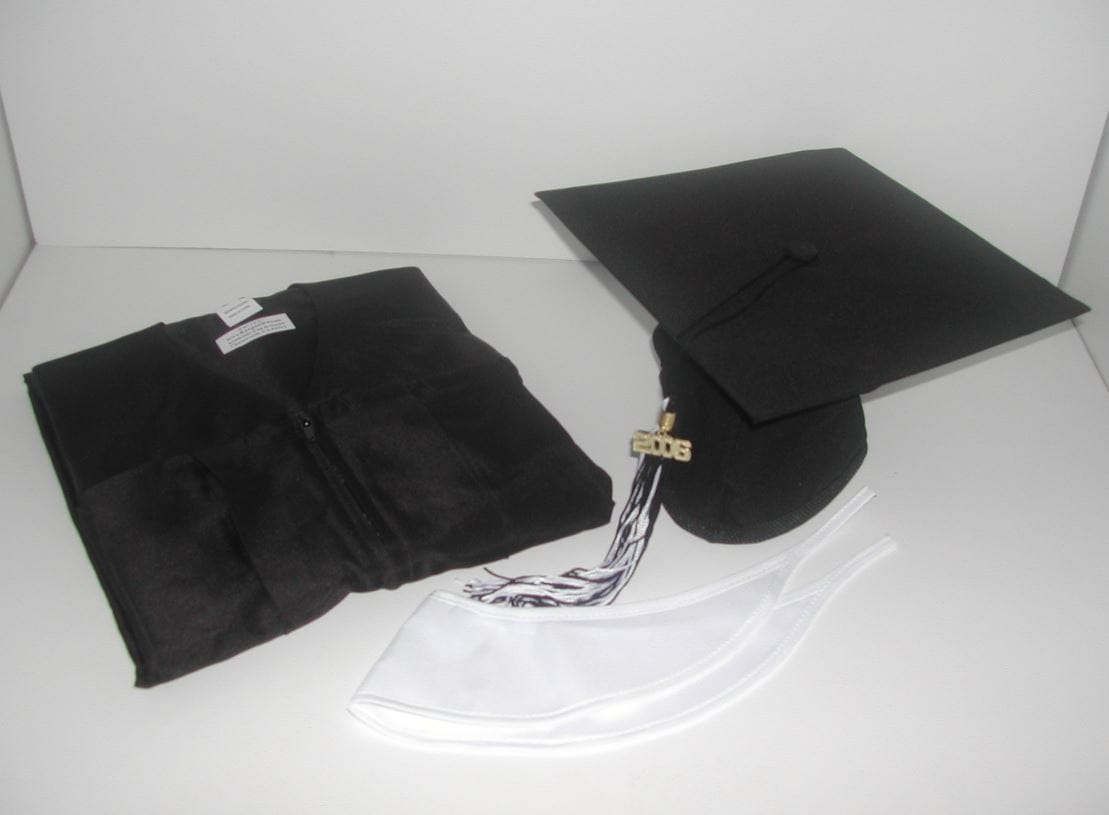
Your graduation day is a monumental occasion. The cap and gown you wear are more than just attire; they are symbols of years of hard work and dedication. After the photos are taken and the tassel is turned, you’re often left with a gown that may have picked up dirt, sweat, or wrinkles. Knowing how to clean it properly is essential for preserving it as a keepsake or returning it in good condition.
This step-by-step guide will walk you through the safest methods to wash, dry, and de-wrinkle your graduation regalia, ensuring it looks pristine for your big day and beyond.
Before You Wash: Decoding the Fabric Care Label
The single most important step is to check the care label sewn inside the gown, usually near the neckline or along a side seam. This label is your definitive guide to the manufacturer’s recommended cleaning methods. Graduation gowns are typically made from two types of material:
- Polyester: This is the most common modern fabric. It’s durable, resistant to wrinkles, and generally safe for gentle machine washing.
- Acetate: A more delicate, silk-like fabric often used for honors cords or more expensive gowns. Acetate is often dry-clean only as it can be easily damaged by water and heat.
Quote from a University Logistics Coordinator: “The number one mistake students make is assuming all gowns are the same. We see dozens of gowns each year shrunk or melted from improper cleaning. Always, always check the tag first—it will save you a lot of heartache.”
How to Wash Your Polyester Graduation Gown
If your care label confirms it is polyester and is machine washable, follow these steps for a safe and effective clean.
Step-by-Step Machine Washing Instructions
- Pre-Treat Stains: Gently dab any visible stains (grass, makeup, food) with a small amount of liquid detergent or a dedicated stain remover. Avoid harsh rubbing.
- Turn Inside Out: This protects the outer surface from friction and helps maintain its sheen.
- Use a Gentle Cycle: Place the gown in the washing machine by itself to prevent dye transfer or snagging from zippers and buttons on other clothes.
- Cold Water is Key: Always use cold water. Hot water can set stains and may cause the fabric to shrink or wrinkle.
- Mild Detergent: Use a small amount of mild liquid detergent. Avoid bleach or fabric softeners, as they can damage the fabric.
The Hand-Washing Alternative
For the utmost care, hand-washing is your best bet.
- Fill a clean bathtub or a large basin with cold water and a capful of mild detergent.
- Submerge the gown and gently agitate it with your hands.
- Let it soak for 10-15 minutes, then drain the water and refill with clean cold water to rinse until all soap suds are gone. Do not wring the gown.
How to Clean Your Graduation Cap (Mortarboard)
The mortarboard cap requires special attention, as its flat, stiff top can be easily damaged.
- The Board: Never submerge the cardboard square in water. It will warp and lose its shape. Instead, use a damp cloth with a small amount of mild soap to gently wipe the surface. Wipe again with a clean, damp cloth to remove any soap residue.
- The Fabric Cover: Spot clean the fabric cover with a damp cloth and mild detergent. For a more thorough clean, you can gently hand-wash the cap without submerging the board, focusing on the fabric skirt that hangs down.
Drying and De-Wrinkling Your Regalia
How you dry your gown is just as critical as how you wash it.
The Only Safe Way to Dry: Air-Drying
Never, under any circumstances, put your graduation gown or cap in a clothes dryer. The intense heat can melt, shrink, or irreparably wrinkle polyester and will certainly destroy acetate.
- Best Method: Hang the gown on a sturdy, padded hanger. Smooth out any major wrinkles with your hands. Allow it to air dry naturally in a well-ventilated area, away from direct sunlight which can fade the color.
- For the Cap: Place it on a clean, dry towel in its natural shape to air dry.
How to Remove Wrinkles Without an Iron
The delicate fabric of a graduation gown is highly susceptible to melting under a hot iron.
- Steamer Method: This is the safest and most effective way to remove wrinkles. The gentle steam relaxes the fibers without direct heat contact.
- Bathroom Steam: Hang the gown in the bathroom while you take a hot shower. The steam will help release minor wrinkles.
- Cool Iron as a LAST Resort: If you must use an iron, ensure it is on the absolute lowest (“cool”) setting. Always place a pressing cloth (a thin cotton towel or pillowcase) between the iron and the gown. Never iron directly on the fabric.
Graduation Gown Care: Quick Reference Table
This table provides a quick, at-a-glance guide for handling different scenarios.
| Situation | Recommended Method | What to Avoid |
|---|---|---|
| General Cleaning | Check the label. Gentle machine wash or hand wash in cold water. | Hot water, bleach, fabric softener. |
| Drying the Gown | Air dry on a padded hanger. | The clothes dryer. |
| Removing Wrinkles | Use a garment steamer. | A hot iron directly on the fabric. |
| Cleaning the Cap | Wipe with a damp cloth; spot clean fabric. | Submerging the entire cap in water. |
| “Dry Clean Only” Label | Take to a professional dry cleaner. | Attempting to wash it at home. |
Taking the time to properly clean your graduation cap and gown ensures it remains a beautiful memento of your academic achievement. By following these simple care instructions—checking the label, using cold water, air drying, and steaming out wrinkles—you can confidently prepare your regalia for the ceremony and preserve it for years to come.