How to Grow and Care for Your Philodendron Florida Ghost: A Complete Guide
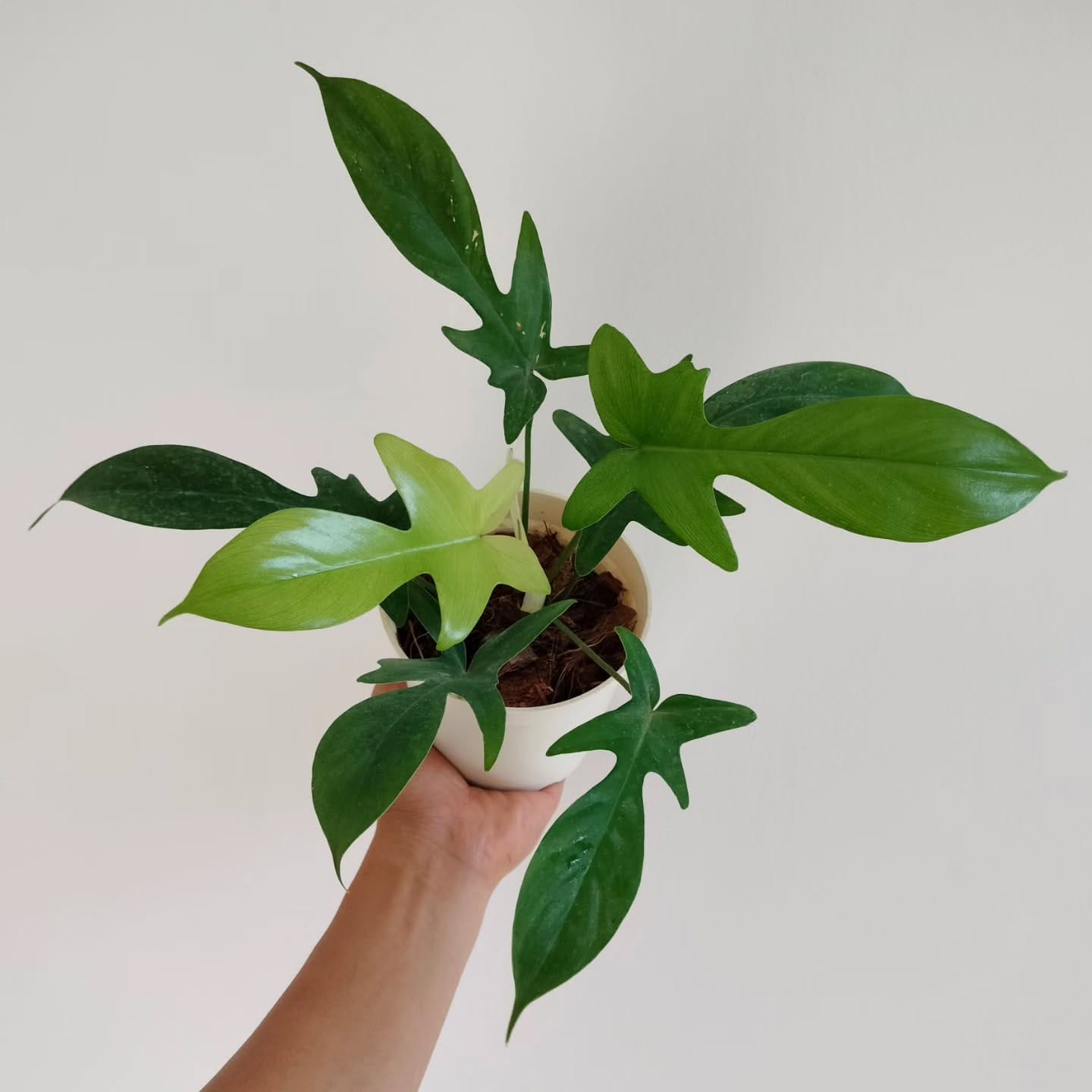
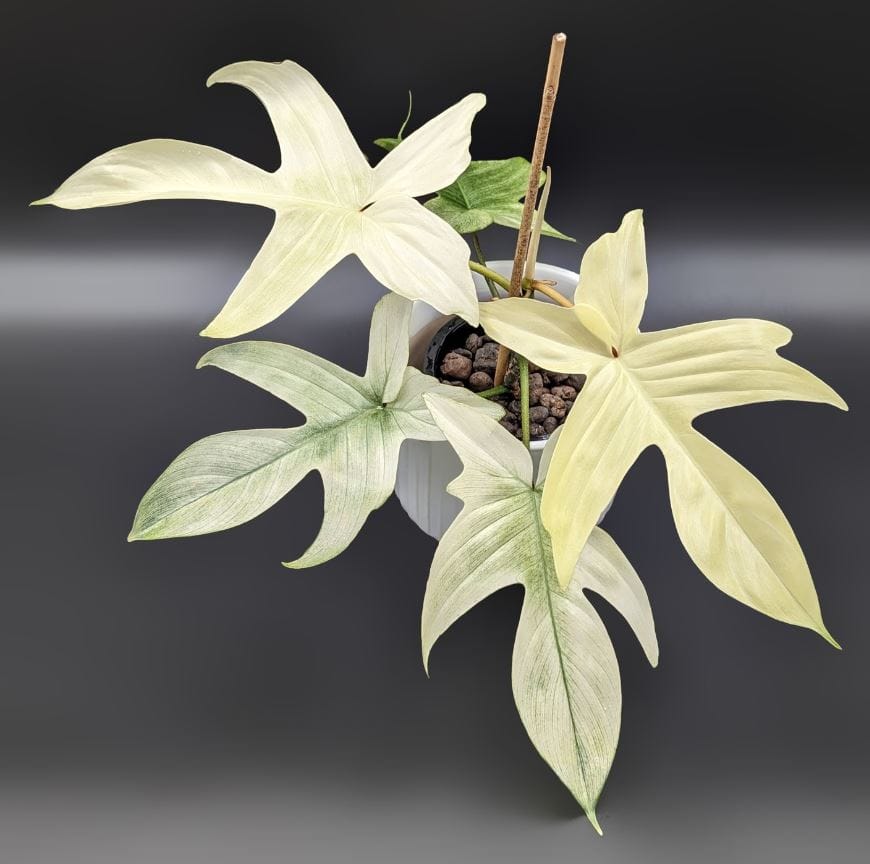
The Philodendron Florida Ghost is a stunning hybrid plant, believed to be a cross between P. squamiferum and P. pedatum. Its most defining characteristic is its fascinating foliar transformation. New leaves unfurl from a cataphyll in a stunning shade of white or pale cream, looking like little ghosts floating around your home. As the leaves mature, they gradually transition through shades of chartreuse and lime green before finally settling into a deep, dark green.
Pro Tip: “The ‘ghosting’ is a response to light. The plant produces less chlorophyll in new growth when light conditions are perfect, allowing the white and yellow pigments to shine through. It’s a delicate balance,” explains a veteran horticulturist.
This plant is a climber by nature and will appreciate a moss pole or trellis to showcase its elegant, sprawling growth habit.
Creating the Perfect Phantom Environment: Light, Soil, and Potting
Getting the fundamentals right is the key to unlocking your Florida Ghost’s full potential.
Light: The Key to the Ghostly Glow
Light is the single most important factor in encouraging those beautiful white leaves. However, it’s a common misconception that this plant needs direct sun.
- Ideal Conditions: Bright, indirect light. An east-facing window is perfect, or a few feet back from a south or west-facing window with a sheer curtain.
- Too Little Light: The plant will become leggy, with long spaces between leaves (etiolation), and new leaves will emerge green, skipping the ghost phase entirely.
- Too Much Light: Direct sunlight will scorch and burn the delicate, pale leaves, causing irreversible brown spots and damage.
The Goal: Aim for the “sweet spot” where the light is intense enough to trigger white growth but not so harsh that it damages the foliage.
Soil and Potting: The Foundation of Health
A Florida Ghost requires a well-aerated, chunky, and fast-draining potting mix that mimics its natural epiphytic tendencies. It hates sitting in soggy soil.
Recommended DIY Soil Mix:
- 2 parts Orchid Bark (for aeration and chunkiness)
- 1 part Premium Potting Mix (for moisture retention and nutrients)
- 1 part Perlite and/or Horticultural Charcoal (for drainage and preventing souring)
Choose a pot with ample drainage holes. Terracotta pots are an excellent choice as they are porous and help wick away excess moisture, reducing the risk of root rot.
The Daily Ritual: Watering, Humidity, and Feeding
Watering: The Art of Moisture Management
Your watering schedule should be guided by the plant’s needs, not the calendar.
- When to Water: Water thoroughly only when the top 1-2 inches of soil feel dry to the touch. The pot will feel noticeably lighter.
- How to Water: Water slowly and evenly until it runs freely from the drainage holes. Discard any excess water from the saucer after 15 minutes.
- Signs of Trouble: Yellowing leaves often indicate overwatering, while drooping or curling leaves can be a sign of thirst.
Humidity & Temperature: Recreating the Tropics
As a tropical plant, the Florida Ghost thrives in humid environments.
- Ideal Humidity: 60% and above.
- Increasing Humidity: Use a humidifier (most effective), place the plant on a pebble tray with water, or group it with other plants.
- Temperature: Keep in a warm environment between 65°F – 80°F (18°C – 27°C). Protect it from cold drafts and sudden temperature fluctuations.
Feeding Your Phantom: Fertilization
During the active growing season (spring and summer), feed your plant to support its stunning foliage.
- Fertilizer: Use a balanced, liquid houseplant fertilizer diluted to half-strength.
- Frequency: Feed every 4-6 weeks during spring and summer.
- Dormant Season: Stop fertilizing in fall and winter when growth slows down.
Advanced Care: Support, Pruning, and Propagation
Providing a Support System
Given its climbing nature, providing a moss pole or coco coir pole is highly recommended. Not only does it support the plant, but the aerial roots can attach to and draw moisture and nutrients from the pole, leading to larger, more mature leaves.
Pruning and Maintenance
Pruning is simple. Use a clean, sharp pair of scissors or pruning shears to:
- Remove any yellow or dead leaves at the base of their stem.
- Control the size and shape of your plant.
- Encourage bushier growth by trimming back leggy vines.
How to Propagate Your Philodendron Florida Ghost
The best way to propagate this plant is through stem cuttings.
- Take a Cutting: Identify a healthy stem with at least one node (the brown, bumpy ring where leaves and roots emerge) and 2-3 leaves.
- Rooting: Place the cutting in water or moist sphagnum moss.
- Wait for Roots: Ensure the node is submerged or buried. Place in bright, indirect light and change the water weekly. Roots should appear in 2-4 weeks.
- Pot Up: Once roots are a few inches long, pot the cutting in your chunky aroid mix.
Common Phantom Problems
| Symptom | Likely Cause | Solution |
|---|---|---|
| New leaves are green, not white | Not enough bright, indirect light. | Move the plant to a brighter location, but avoid direct sun. |
| Leaves have brown, crispy spots | Too much direct sunlight (sunburn) or low humidity. | Relocate away from direct sun and increase humidity levels. |
| Yellowing Leaves | Overwatering is the most common cause. | Check the soil. Let it dry out more between waterings. |
| Leggy growth with small leaves | Insufficient light. | Provide more bright, indirect light. |
| Drooping Leaves | Underwatering or a root-bound plant. | Check soil moisture. If dry, water. If roots are circling the pot, repot. |
Florida Ghost vs. Florida Beauty: A Quick Comparison
It’s easy to confuse the Florida Ghost with the Philodendron Florida Beauty. The key difference is in the variegation.
| Feature | Philodendron Florida Ghost | Philodendron Florida Beauty |
|---|---|---|
| Variegation Type | Foliar (whole leaf color change). New leaves are white, maturing to green. | Sectoral & Splash variegation. Random patches and splashes of yellow/cream on green leaves. |
| Leaf Color Progression | White/Cream → Lime Green → Dark Green | Stable green leaves with permanent yellow/cream patches. |
| Cause of Color | Controlled by light and leaf maturity. | Caused by a genetic mutation (chimera). |
Caring for a Philodendron Florida Ghost is a rewarding journey. By mastering the balance of light, water, and humidity, you’ll be rewarded with a spectacular, fast-growing plant that is truly a living work of art.