How to Get Urine Smell Out of Leather: A Complete Guide
Introduction: Why Urine is a Leather Emergency
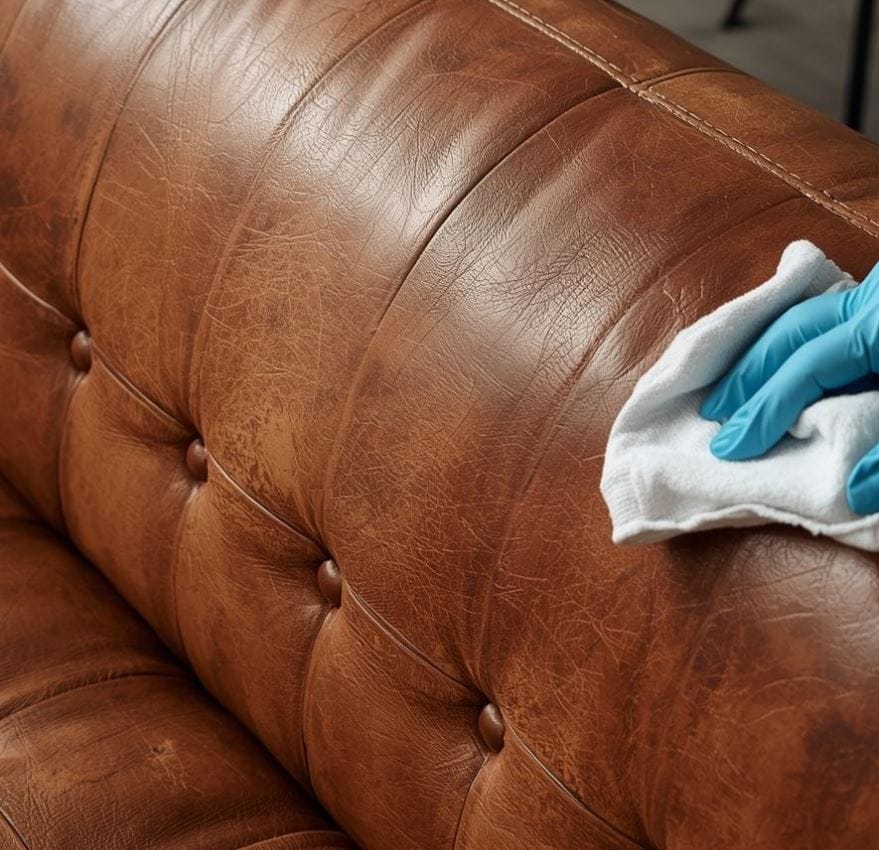
A urine accident on leather isn’t just a surface stain—it’s an urgent odor issue. Unlike fabric, leather is porous and absorbent. Urine can seep through finishes and into the fibrous backing, carrying a potent smell of urea and ammonia that lingers and reactivates with humidity. Acting quickly and correctly is crucial to save your valuable leather item, whether it’s a costly sofa, car seat, jacket, or handbag.
This guide provides safe, effective, and ranked methods to tackle the problem, backed by comparison tables to help you choose the best approach.
Immediate Action: The First 24 Hours are Critical
Time is your greatest ally. Follow these steps the moment an accident happens:
- Blot, Don’t Wipe: Use a clean, super-absorbent cloth or paper towels to gently blot up as much liquid as possible. Wiping can spread the urine and push it deeper.
- Neutralize with Vinegar (Test First!): Mix a solution of 1 part white distilled vinegar to 1 part cool water. Dampen a clean cloth lightly with the solution and blot the affected area. The acetic acid in vinegar neutralizes the alkaline ammonia in urine. Always test this (and any solution) on a hidden area first to check for colorfastness.
- Dry Naturally: Allow the area to air dry completely, away from direct heat or sunlight, which can crack leather. Use a fan to circulate air.
Ranked Methods to Eliminate Urine Odor from Leather
Choose a method based on the severity of the odor and the type of leather you have.
Method 1: The Vinegar & Baking Soda Duo (Best for Mild to Moderate Odors)
This classic combination tackles odor through acid neutralization and absorption.
Steps:
- Vinegar Rinse: Re-blot the area with your dilute vinegar solution (1:1 water/vinegar) to ensure neutralization. Let dry.
- Baking Soda Application: Once fully dry, sprinkle a thin, even layer of baking soda over the area. For vertical surfaces, make a paste with a tiny amount of water and apply it lightly.
- Let it Sit: Allow the baking soda to sit for at least 8 hours, or overnight. It will absorb lingering odors.
- Vacuum: Gently vacuum up all the baking soda with a soft brush attachment.
Method 2: Commercial Leather Cleaner & Odor Neutralizer (Best for Set-In Odors)
For odors that have set in or for valuable, treated leathers (aniline, semi-aniline), use products designed for the job.
Steps:
- Clean: Use a pH-balanced leather cleaner according to label instructions to remove any residual soiling.
- Neutralize: Apply a specialized enzymatic odor neutralizer (like those for pet odors). Enzymes break down the odor-causing bacteria at a molecular level.
- Condition: After the area is completely clean and dry, apply a quality leather conditioner to restore moisture and flexibility.
Method 3: The Professional-Grade Solution (For Severe Cases or Priceless Items)
If the urine has soaked through to the padding or the odor persists after home treatment, professional intervention is needed.
Why it works: Professionals have industrial-grade extraction tools, steam cleaners, and odor-locking sealants that can treat both the leather surface and the sub-layers you can’t reach.
Comparison Table: Choosing Your Method
| Method | Best For | Pros | Cons | Key Tip |
|---|---|---|---|---|
| Vinegar & Baking Soda | Fresh accidents; mild odors; budget fix. | Non-toxic, readily available, effective on surface odors. | May not work on deep-set smells; over-wetting risks damage. | Always test vinegar on hidden area first. |
| Commercial Cleaner & Neutralizer | Set-in odors; treated leather (sofas, car interiors); hygiene focus. | Formulated for leather; enzymatic action destroys odor sources. | More costly; requires purchasing specific products. | Look for “enzymatic” on the odor neutralizer label. |
| Professional Cleaning | Antique or priceless items; severe saturation; last resort. | Guaranteed deepest clean; saves you time and potential mistakes. | Most expensive option; requires scheduling. | Get quotes and check reviews before hiring. |
What to AVOID: Common Mistakes That Ruin Leather
Using the wrong product can cause permanent damage. Steer clear of these:
- Ammonia or Bleach-Based Cleaners: These will strip leather’s natural oils and cause severe drying and cracking.
- Excessive Water/Soaking: Saturating leather can cause water stains, discoloration, and warping.
- Harsh Scrubbing: Abrasive pressure will scratch the surface and wear away the protective topcoat.
- Heat (Hair Dryers, Heaters): Direct heat dries leather out catastrophically, leading to stiffening and cracks.
- Upholstery Cleaners for Fabric: These are often too harsh and can leave a sticky residue on leather.
Prevention & Aftercare Table
| Step | Action | Purpose |
|---|---|---|
| 1. Immediate Blotting | Use absorbent cloths to remove liquid. | Prevents urine from penetrating deep into leather fibers. |
| 2. Regular Conditioning | Use conditioner every 6-12 months. | Maintains protective seal, making spills easier to clean. |
| 3. Protect | Apply leather protector spray after cleaning. | Creates a barrier against future stains and accidents. |
| 4. Act Fast | Never let a urine accident sit. | Time is the biggest factor in successful odor removal. |
Conclusion: Act Fast, Choose Wisely
Removing urine smell from leather is a race against time, but it’s entirely possible with the right knowledge. Your action plan is simple: Blot immediately, neutralize with a tested vinegar solution, and then deploy the appropriate method from the table above based on the odor’s severity.
For minor issues, the vinegar and baking soda method is a fantastic first line of defense. For cherished furniture or persistent smells, investing in leather-specific enzymatic cleaners or professional services is the safest bet to restore your leather to its original, odor-free state.