How to Get Dry Erase Marker Out of Carpet: A Step-by-Step Rescue Guide
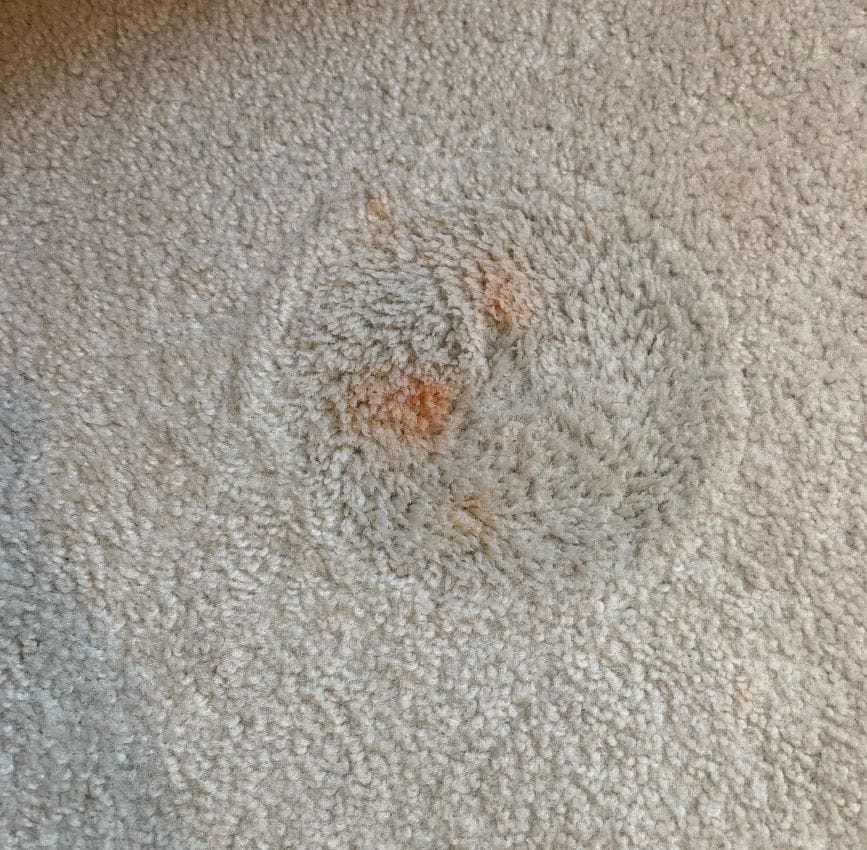
Discovering a dry erase marker stain on your carpet can feel like a minor disaster. Whether it was an over-enthusiastic brainstorming session or a creative toddler, that vibrant ink seems to spell permanent doom for your flooring. But don’t panic! In most cases, dry erase marker stains are surprisingly manageable if you act quickly and use the right techniques.
This comprehensive guide will walk you through the proven, step-by-step methods to lift that stain, restore your carpet, and bring peace back to your home or office.
Why Quick Action is Crucial
The golden rule for any carpet stain is to tackle it immediately. Dry erase markers are designed to be low-odor, non-toxic, and, most importantly, non-permanent. Their ink is not as tenacious as permanent marker ink, which works in your favor.
“The primary difference between dry erase and permanent markers is the chemical composition of the ink,” explains a veteran cleaning technician. “Dry erase ink is suspended in a solvent that is designed to evaporate, which is why it wipes off non-porous surfaces so easily. On porous surfaces like carpet, our goal is to lift that ink before it sets using solvents it readily dissolves in, like alcohol.”
Step-by-Step Cleaning Methods (Easiest to Strongest)
Always remember to blot, never scrub. Scrubbing can fray the carpet fibers and push the stain deeper, making it much harder to remove.
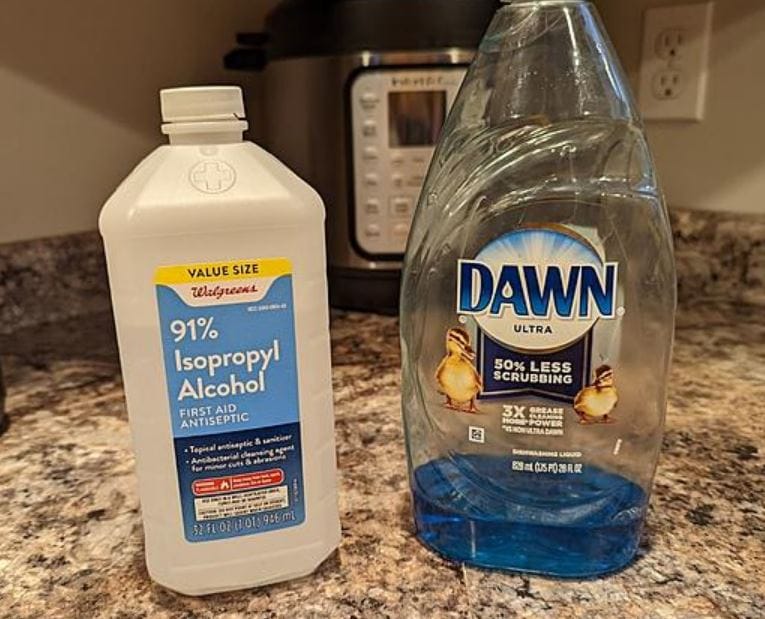
Method 1: The Rubbing Alcohol Solution (Most Effective)
This is the go-to method for a reason. Isopropyl alcohol (rubbing alcohol) acts as a solvent that breaks down the ink effectively.
What You’ll Need:
- Isopropyl alcohol (70% or 90%)
- Clean white cloths or paper towels
- A small bowl
- Liquid dish soap
- Cold water
Instructions:
- Blot Excess Ink: Gently blot the fresh stain with a clean, dry cloth to absorb any wet ink. Be careful not to spread it.
- Test for Colorfastness: In an inconspicuous area of the carpet (like a closet), apply a small amount of rubbing alcohol to a cloth and dab it onto the fibers. Wait a few minutes to ensure it doesn’t remove the carpet’s dye.
- Apply the Alcohol: Pour a small amount of rubbing alcohol onto a clean white cloth. You don’t want to pour it directly on the carpet, as this can damage the latex backing.
- Blot the Stain: Press the alcohol-soaked cloth onto the stain and hold it for 10-15 seconds. You will see the ink start to transfer onto the cloth.
- Lift and Repeat: Use a clean section of the cloth and repeat the blotting process. Continue until no more ink is transferring.
- Rinse and Neutralize: Mix a teaspoon of clear dish soap with a cup of cold water. Dampen a clean cloth with this solution and blot the area to rinse out any remaining alcohol and ink residue.
- Blot Dry: Finally, use a cloth dampened with only cold water to rinse the area, then blot with a dry cloth to absorb as much moisture as possible.
Method 2: Homemade Dry Erase Marker Remover
If you don’t have rubbing alcohol on hand, you can create a powerful cleaning solution with common household products.
What You’ll Need:
- White vinegar
- Liquid dish soap
- Baking soda
- Water
- Spray bottle
Instructions:
- Create the Solution: In a spray bottle, mix one part white vinegar with one part water and add a few drops of dish soap. Shake gently to combine.
- Apply and Sit: Lightly spray the solution onto the stain. Allow it to sit for 5-10 minutes to break down the ink.
- Blot and Lift: Blot aggressively with a clean cloth. The vinegar helps cut through the ink while the soap lifts it away.
- Deodorize with Baking Soda: Once the stain is gone and the area is dry, you can sprinkle a little baking soda over the spot to absorb any lingering odor. Vacuum it up after 15 minutes.
Comparison of Cleaning Solutions at a Glance
| Method | Key Ingredient | Best For | Pros | Cons |
|---|---|---|---|---|
| Rubbing Alcohol | Isopropyl Alcohol | Fresh & set-in stains | Highly effective, fast-acting, inexpensive | Can bleach some dyes (always test first) |
| Homemade Solution | Vinegar & Dish Soap | Fresh stains & mild odors | Non-toxic, uses common household items | Less potent on set-in stains, may require repetition |
| Commercial Cleaner | Specialized Solvents | Tough, set-in stains | Formulated for carpets, often includes protectants | More expensive, requires a purchase |
What to Do for Set-In or Old Stains
If the stain has dried and set, the process requires a bit more patience.
- Vacuum the area first to remove any dry particulate.
- Follow Method 1 (Rubbing Alcohol) but allow the alcohol-soaked cloth to sit on the stain for a longer period (up to 30 seconds) to give the solvent more time to penetrate and break down the dried ink.
- You may need to repeat the process several times, using a fresh section of the cloth each time.
Final Tips for a Flawless Finish
- Work from the Outside In: Blot from the outer edge of the stain toward the center to prevent it from spreading.
- Use White Cloths Only: Colored cloths can transfer dye onto your wet carpet, creating a new problem.
- Speed is Your Friend: The faster you address the stain, the less likely it is to become a permanent fixture.
- When to Call a Professional: If you’ve tried all these methods and a significant stain remains, it might be time to call a professional carpet cleaner. They have industrial-grade solvents and steam cleaning machines that can tackle the most stubborn marks.
By following these expert-approved steps, you can confidently say goodbye to dry erase marker mishaps and keep your carpet looking clean and vibrant for years to come.