How Long Can a Vacant Family Home Sit Before Exterior Problems Start Appearing?

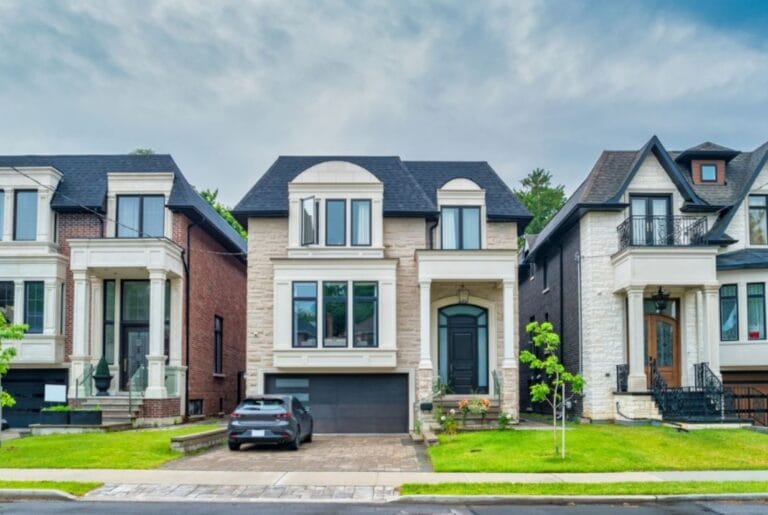
Vacant houses are more of an issue than they often are thought to be. Whether it is an inherited family home, a seasonal vacation home, or a new purchase that is to be renovated, which in turn is left unoccupied for a while, many issues are seen with the exterior of the home. Also, while the inside of a vacant home may get some attention, what is seen is the outside of the home, which is left to the elements, weather, natural wear and tear, and environmental debris.
As a homeowner, it is to your benefit to know at what point an unoccupied home’s exterior elements will begin to show wear and tear, which in turn will help you avoid large repair bills.
The First Few Weeks: Minimal Visible Changes
In the first few weeks of being vacant, most homes see only minor wear. The grass in the lawn may begin to grow out a bit more than usual, and dust and pollen may accumulate on outdoor surfaces. But that which is seen is mostly cosmetic in nature and very simple to fix.
During the early years, which are a time of growth, also see to it that regular checks are performed. Issues like blocked gutters, whose shingles have come loose, and small-scale drainage problems may present themselves very fast when ignored. By the time they are noticed, they may have already developed into bigger issues.
After One to Three Months: Signs of Neglect Begin to Show
Once a home has been empty for a few months, you see telltale signs of neglect outside. Also, seasonal weather, which is seen to a great degree in summer, can cause more damage at that time.
Common issues that may appear include: Here are some issues that present themselves:.
- Overgrown grass and landscaping
- Weed growth in walkways and driveways
- Dust and grime that has collected on siding and exterior walls
- Pollen accumulation on outdoor surfaces and in windows
- Debris collecting in gutters
At present the home’s appeal is going down. Neighbors and prospective buyers may notice that the home is not as well kept, which in turn will play into how they perceive the home’s general condition.
Three to Six Months: Weather Exposure Takes a Toll
As time passes and enters the third month of vacancy, exterior materials begin to wear out more so.
Rain, humidity, sun, and wind also play a role in the breakdown. Wood will start to absorb moisture, paint will fade with extended UV exposure, and mold or mildew will grow in shady areas.
During this time out also see:.
- Staining on siding
- Algae growth on exterior walls
- Mold formation around gutters and roofing
- Discoloration of driveways and walkways
- Deposition of bird waste and organic matter
In humid climates, properties may see these issues play out at a faster rate if you have vegetation that is close to the home and doesn’t allow for good airflow.
Six Months to One Year: Maintenance Problems Become More Noticeable
When in a state of vacancy for six months or more, family homes see an increase in the incidence of maintenance issues. The longer these go unattended, the more in terms of cost to repair these also become.
Exterior walls may present themselves with persistent marks from mildew, dirt, and environmental pollutants. Leaves and debris in gutters can also cause overflow during storms, which in turn may affect the home’s foundation or landscaping.
Land, in the matter of landscaping issues, is a great concern. Trees, shrubs, and vines may be seen, which may grow out of control, thus putting branches in contact with siding, roofs, or windows. Also, in some cases plant material may create moisture retention areas, which in turn foster mold growth and wood decay.
At this stage, many homeowners preparing a vacant property for sale choose to restore the home’s appearance through landscaping cleanup and exterior surface cleaning. Services offered by Wilmington top rated power washing companies can help remove accumulated dirt, mildew, algae, and stains that developed during the vacancy period.
The Impact on Property Value and Curb Appeal
One of the top results of home decay is reduced curb appeal. A great deal of value is placed in first impressions, which is especially true when a property is put on the market or is to be occupied.
Buyers today will usually judge a property in a matter of seconds. While the home’s frame may be stable, poor maintenance, which shows in the form of subpar landscaping, dirty facades, stained parking areas, and worn-out elements, is enough to make them think there are bigger problems with the home’s structure.
This issue of perception plays into buyer confidence, which in turn may reduce offers. To maintain market appeal and overall property value, it is best to keep the exterior of a home looking occupied.
Seasonal Factors That Accelerate Exterior Damage
Exterior issues tend to progress based on climate and season.
Summer
Summer vacancy often leads to:
- Rapid grass growth
- Increased weed development
- UV damage to paint and surfaces
- Dust and pollen accumulation
- Algae growth in humid environments
Fall
Fall can bring:
- Falling leaves that clog gutters
- Moisture retention around foundations
- Debris accumulation on roofs
Winter
Cold weather may bring in:
- Ice-related gutter damage
- Freeze-thaw stress on exterior materials
- Cracking of concrete surfaces
Spring
In spring:
- Increased mold and mildew growth
- Pollen buildup
- Rapid landscaping growth
Each year brings with it new issues of maintenance which affect the exterior of a vacant home.
Preventing Exterior Problems During Vacancy
Sure, here is a paraphrase of your text: Also it is to your benefit to perform regular maintenance which will in turn prevent many exterior issues.
Recommended steps include: Suggested actions are:.
- Scheduling periodic property inspections
- Maintaining lawn and landscaping care
- Cleaning gutters regularly
- Checking roofs after storms
- Removing debris from walkways and driveways
- Addressing moisture problems quickly
- Cleaning exterior surfaces as needed
These measures are for the preservation of the property’s appearance and to reduce the chance of expensive repairs.
Final Thoughts
A family home left empty may see some external changes in a few weeks’ time; over the course of a few months bigger signs of wear and tear show. Weather, lack of landscape care, water accumulation, and environmental debris play a role in the home’s degradation and present issue of maintenance.
Whether the home is an inheritance, a seasonal getaway, or home to soon-to-be former residents, proactive care is required. Regular checks and routine exterior maintenance will see that empty homes are not only in presentable condition but also protected from damage and are a go for when the time comes to fill them again.