How Dirty is Toilet Water? The Surprising Science of Your Toilet Bowl
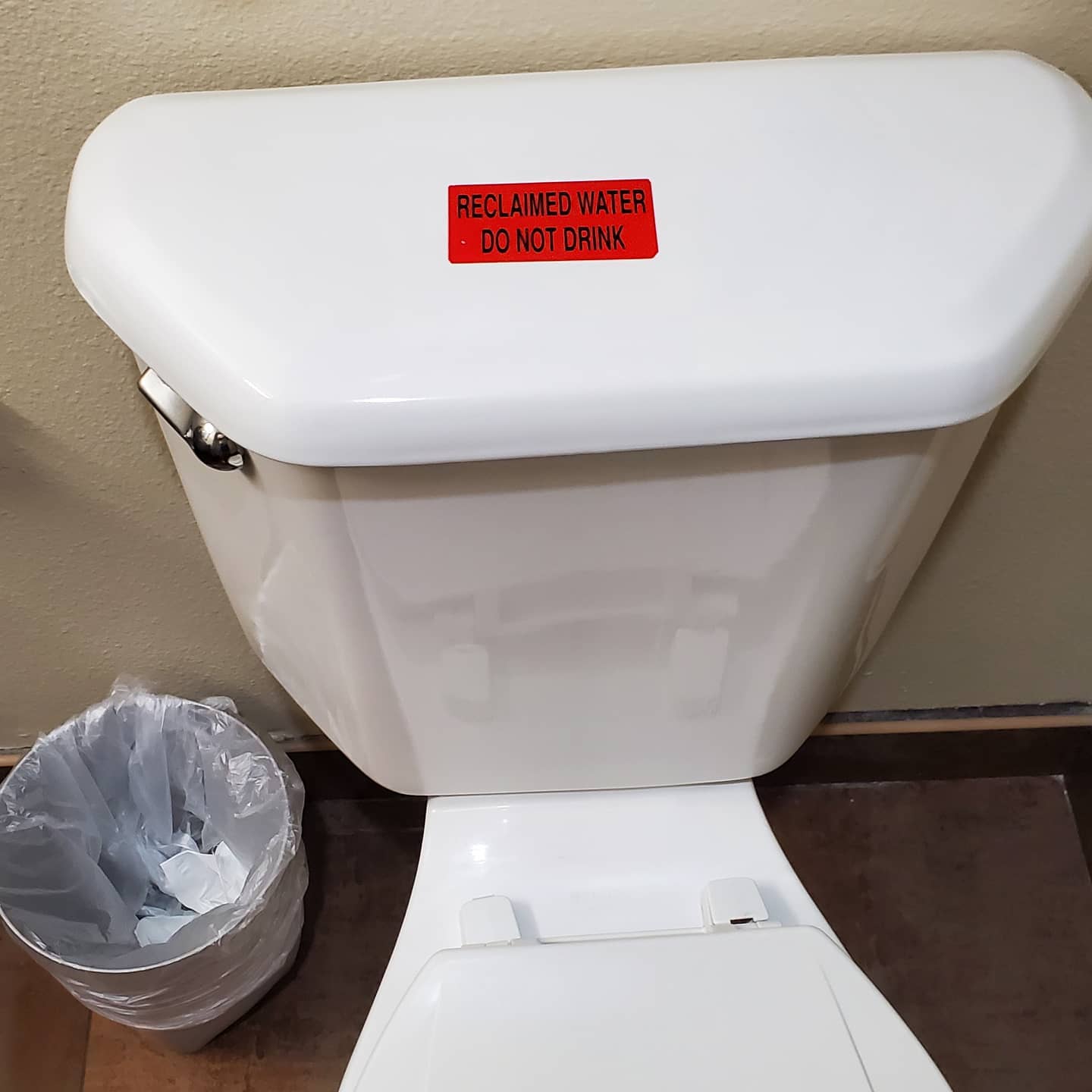
The toilet. It’s a household necessity that often evokes a sense of disgust. The mere thought of toilet water can make us cringe, and the idea of a dropped toothbrush or smartphone is a mini nightmare. But is this revulsion justified by science, or is it mostly in our heads? Just how dirty is toilet water, really?
The answer is more complex—and surprising—than you might think.
The Anatomy of Toilet Water: It’s Not What You Flushed
First, let’s clarify a common misconception. The water you see sitting in your toilet bowl is clean, fresh water that comes from the same supply as your kitchen sink. It’s stored in the tank and released during a flush. The “dirtiness” comes from two primary sources:
- The Flush Itself: When you flush, the vortex created aerosolizes microscopic particles of everything in the bowl—feces, urine, and toilet paper—sending them flying into the air (a phenomenon known as “toilet plume”). These particles then settle back down, contaminating the bowl water, the seat, the floor, and even your bathroom countertops.
- Biofilm: The interior of the toilet bowl, especially under the rim, is a prime environment for biofilm. This is a slimy layer of bacteria that adheres to the surface and can slough off into the water.
The Germs in the Water: A Microbial Zoo
So, what exactly is in there? Toilet water can contain a variety of microorganisms, including bacteria like E. coli, Streptococcus, Staphylococcus, and Shigella, and viruses like norovirus and hepatitis A. These are primarily introduced through fecal matter.
However, the concentration of these germs is highly dependent on cleanliness and how recently the toilet was flushed and cleaned. A freshly flushed and cleaned toilet will have significantly fewer pathogens than one that hasn’t been cleaned in weeks.
Dr. Emily Carter, a microbiologist, explains:
“While it’s true that toilet water contains bacteria, our fear is often disproportionate to the actual risk in a well-maintained household toilet. The human body is designed to handle exposure to a certain level of environmental bacteria. The real danger isn’t the water itself, but the cross-contamination to surfaces we touch, like the flush handle and door knob.”
The Shocking Comparison: Toilet Water vs. Everyday Objects
This is where it gets interesting. When we compare the bacterial load of toilet water to other common household items, our perception of “dirty” gets turned on its head.
Bacterial Load Comparison (Colony Forming Units per square inch)
| Item | Average CFU/in² | Common Bacteria Found |
|---|---|---|
| Kitchen Sponge | 10,000,000+ | E. coli, Salmonella, Staphylococcus |
| Cutting Board | 200,000+ | Salmonella, E. coli, Campylobacter |
| Pet Food Bowl | 50,000+ | E. coli, Salmonella, Listeria |
| Smartphone Screen | 25,000+ | Staphylococcus, Streptococcus, E. coli |
| Office Desk | 20,000+ | Staphylococcus, Micrococcus |
| Toilet Seat (Clean) | 50 – 100 | Skin flora, Fecal bacteria (trace) |
| Toilet Bowl Water | Varies widely (100 – 1,000,000+) | E. coli, Streptococcus, Coliforms |
As the table illustrates, the items we interact with constantly—like our kitchen sponges and smartphones—often harbor far more bacteria than the water in a regularly cleaned toilet bowl.

The Real Culprit: The Toilet Plume
The water itself may be less scary than you think, but the “toilet plume” is a legitimate concern. Studies have shown that a single flush can propel thousands of contaminated droplets as high as 15 feet into the air.
John Hall, a public health inspector, emphasizes a simple habit:
“The most effective, zero-cost way to drastically reduce the spread of germs in your bathroom is to close the lid before you flush. This simple action contains the plume and prevents bacteria and viruses from settling on your towels, toothbrushes, and other surfaces.”
Key Takeaways and Hygiene Tips
So, how dirty is toilet water? In a clean, modern toilet with regular flushing, the water itself is relatively dilute in terms of pathogens. The greater risks come from the aerosolized particles from flushing and the cross-contamination on surfaces.
To manage your bathroom’s hygiene effectively:
- Close the Lid Before Flushing: This is the #1 rule for containing germs.
- Clean Regularly: Disinfect the toilet bowl, seat, and handle at least once a week.
- Wash Your Hands: Use soap and water for at least 20 seconds after using the toilet.
- Store Personal Items Safely: Keep toothbrushes in a cabinet or use a cover, and store them away from the toilet.
- Replace Sponges Frequently: Remember, your kitchen sponge is likely the dirtiest item in your home.
While it’s wise to be hygienic, understanding the science behind “dirty” can help alleviate unnecessary anxiety. The water in your toilet bowl is far from sterile, but in the grand ecosystem of your home’s germs, it’s often not the king of filth we imagine it to be.