Does Steel Wool Scratch Glass? The Definitive Guide to Grade, Technique, and Surface Science
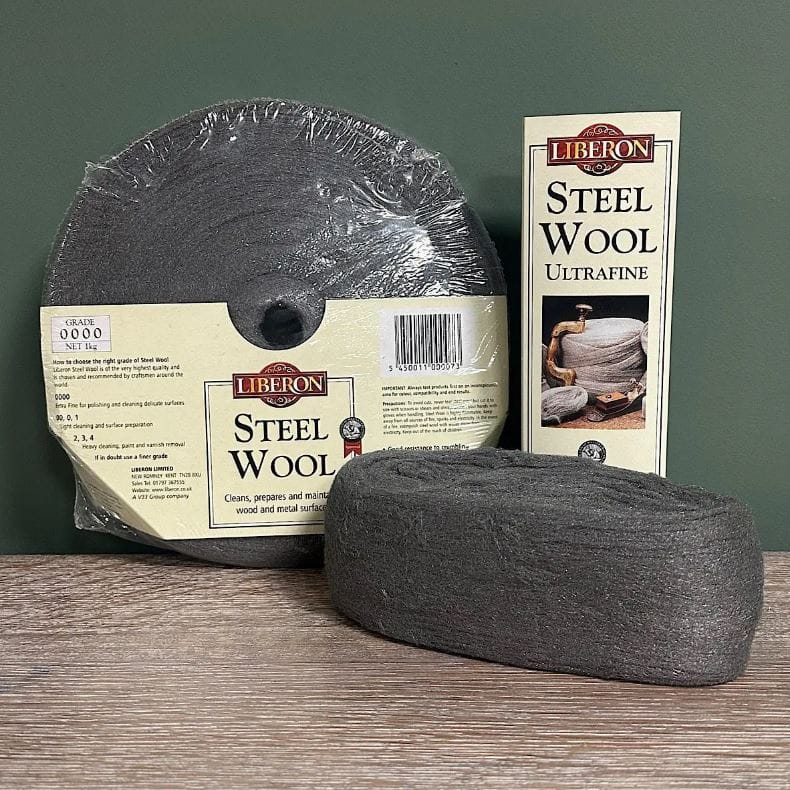
The image is iconic: a crumpled mass of fine, metallic fibers scrubbing a window pane. For decades, professional detailers and seasoned DIYers have relied on steel wool to conquer the toughest grime on glass. But for the uninitiated, the question lingers with a wince-inducing sense of risk: Does steel wool scratch glass?
The answer is not a simple yes or no. It resides in a nuanced intersection of metallurgy, abrasive science, and technique. When executed with the correct grade and lubrication, steel wool is one of the most effective tools for polishing glass without scratching it. When done incorrectly, it can irreversibly etch the surface with thousands of micro-swirls.
This article dissects the relationship between steel wool and silica glass, providing a definitive guide on how to harness this tool safely.
The Science of the Scratch: Relative Hardness
To understand the risk, we must first understand the mechanism of a scratch. A scratch occurs when a material of equal or greater hardness is dragged across a surface with sufficient pressure to plastically deform or fracture it. Hardness is measured on the Mohs scale of mineral hardness.
- Standard Window/ Automotive Glass (Soda-lime silica): Ranks between 5.5 and 6.5 on the Mohs scale.
- Ordinary Steel: Ranks between 4 and 4.5 on the Mohs scale.
Based on these raw numbers, basic steel is significantly softer than glass. Theoretically, a clean piece of mild steel cannot scratch a clean piece of annealed glass. However, this scientific premise collapses in the real world due to three critical variables: the work-hardening of the wire, the presence of environmental contaminants, and the specific manufacturing grade of the wool.
🔬 Critical Factor 1: The Metallurgical Exception
Steel wool is manufactured by shaving fine filaments from a high-carbon steel wire. This drawing and shaving process cold-works the metal, slightly increasing its hardness. While it doesn’t typically exceed a Mohs hardness of 5.5, the sharpness of a freshly fractured filament tip can, with aggressive pressure, micro-score the surface of softer “float glass” if no lubrication is present.
🔬 Critical Factor 2: Environmental Contamination (The True Culprit)
In 95% of “steel wool scratching” cases, the steel itself isn’t the villain. The scratches are caused by tramp contaminants—microscopic particles of quartz dust (sand), aluminum oxide, or ceramic brake dust that embed themselves into the fibrous matrix of the wool pad. Since quartz has a Mohs hardness of 7, these particles become a suspended lapping compound that gouges the glass instantly upon contact.
The Grade Hierarchy: Not All Steel Wool is Created Equal
The single most important variable in preventing scratches is the grade of steel wool. The grade denotes the fiber thickness and density. The industry standard follows an inverse numbering system: the higher the number, the finer and less aggressive the fiber.
The Golden Rule of Glass: Never use anything coarser than #0000.
| Steel Wool Grade | Fiber Diameter (Microns) | Equivalent Grit (Approx.) | Risk to Glass | Safe for Glass? | Professional Application |
|---|---|---|---|---|---|
| #3 (Coarse) | ~150 | 150-200 | EXTREME | NO | Heavy rust removal on ferrous metals. Will destroy glass. |
| #2 (Medium-Coarse) | ~120 | 180-220 | EXTREME | NO | Metal stripping, floor sanding prep. |
| #1 (Medium) | ~100 | 240-280 | HIGH | NO | General metal polishing, removing varnish. |
| #0 (Fine) | ~75 | 320-400 | MODERATE | NO | Light metal finishing. Too aggressive for auto/architectural glass. |
| #00 (Very Fine) | ~60 | 400-600 | MODERATE | NO | Fine wood finishing, smoothing metal for painting. High risk of swirls on glass. |
| #000 (Extra Fine) | ~45 | 600-800 | LOW | WITH CAUTION | Architectural window restoration. Safe on old, thick glass but risky on tempered side glass. |
| #0000 (Super Fine) | ~25-35 | 1000-1500 | MINIMAL | YES | Automotive detail, glass shower doors, over-spray removal. The industry standard. |
Professional Insight: In the automotive and architectural sectors, #0000 is the only universally accepted grade. Even with #000, you risk leaving “holograms” or micro-marring on soft aftermarket windshields.
Automotive vs. Architectural Glass: A Tale of Two Surfaces
It is a dangerous misconception that all glass behaves identically. Modern manufacturing has created two distinct substrates that react to steel wool differently.
| Property | Automotive Glass (Tempered & Laminated) | Architectural Glass (Annealed Float) |
|---|---|---|
| Surface Hardness | Softer surface layer; anti-glare coatings are extremely delicate. | Harder, more chemically inert surface. |
| Coatings | Often features anti-fog, rain-sensing, or IR-reflective coatings (internal/external). | Rarely coated externally; may have Low-E coatings on the interior surface (never scrub these). |
| Manufacturing Defects | Highly susceptible to “auto-glass pitting” from road debris. | Susceptible to “fabricating debris” (microscopic weld spatter or concrete dust on new builds). |
| Steel Wool Suitability | High Risk. Use #0000 only for overspray removal. Never use on coated side. | Low Risk. #0000 is standard for removing mineral deposits and paint overspray. |
Why Use Steel Wool When You Could Use a Razor Blade?
Glass professionals often debate the merits of steel wool versus a tungsten carbide scraper. Steel wool offers a distinct mechanical advantage: conformability.
- Surface Contour: A flat razor blade is binary—it cuts flat or it digs in. On the micro-level, curved windshield glass has undulations. A flat blade can “chatter,” causing crescent-shaped score lines. Steel wool fibers conform to these curves, distributing pressure evenly.
- The Polish Effect: Steel wool doesn’t just remove contamination; it mechanically polishes the glass. #0000 steel wool, when used with a glass-specific polish, can reduce the edges of microscopic pits, improving optical clarity and water sheeting.
- Chemical Reactivity: Steel wool is an excellent carrier for chemical cleaners. When paired with an acid-based water spot remover, the steel wool agitates the mineral bond while the chemical dissolves it, a synergy a razor blade cannot achieve.
The Professional Protocol: The “Zero-Scratch” Method
To achieve a flawless finish without swirl marks or scratches, follow this strict methodological sequence. This protocol assumes you are working on a non-coated glass surface.
1. The Decontamination Phase (Critical)
Before the steel wool touches the glass, the glass must be surgically clean. Touching a dry, dusty window with steel wool is like sanding it with 400-grit paper.
- Rinse the glass with copious water to float away loose quartz grit.
- Use a clean clay bar mitt to pull embedded ferrous and mineral particles from the glass pores.
2. The Lubrication Barrier (Non-Negotiable)
Never use steel wool on dry glass. The friction generates heat and microscopic glass dust, which agglomerates and scratches. You require a slip-agent.
- Option A (Ideal): A dedicated glass polishing compound (e.g., Cerium Oxide-based).
- Option B (Cleaning): A high-sudsing, pH-neutral automotive glass cleaner or a simple soapy water solution.
- Option C (Restoration): A spray sealant/water-spot remover.
3. The Grade Check
- Select a fresh pad of Synthetic Steel Wool (non-rusting, consistent grain) or traditional carbon steel #0000.
- Inspect the pad: if it has been stored in a damp workshop, there may be microscopic rust nodules (Iron Oxide, Mohs 5.5-6.5) on the surface. Discard corroded pads instantly.
4. The Motion Dynamics
- Flat Palm Pressure: Do not use fingertips to press. Fingertips create high-pressure points that can leave “finger trails” of swirls. Use a flat, open palm.
- Linear Overlapping Strokes: Avoid circular motions. Circular “wax-on” motions create swirl marks visible in direct sun. Use straight, overlapping lines following the curvature of the glass.
5. The Waste Removal
- Steel wool degrades rapidly. As it breaks down, loose fibers fall away. If these fibers drag across a dry section of the glass, they scratch.
- Continuously rinse the glass to flush away the shed metal dust. Use a spray bottle to keep the work area consistently wet.
Common Glass Contaminants: Steel Wool vs. Alternatives
Choosing the right tool depends on the contaminant. Steel wool is not a universal solution.
| Contaminant Type | Steel Wool #0000 | Razor Blade | Cerium Oxide Polish | Clay Bar |
|---|---|---|---|---|
| Water Spots (Stage 1) | ✅ Excellent | ✅ Good (if flat) | ❌ Overkill | ❌ Ineffective |
| Water Spots (Stage 3/Etched) | ❌ Ineffective | ❌ Ineffective | ✅ Excellent | ❌ Ineffective |
| Paint Overspray | ✅ Excellent | ✅ Excellent | ❌ Overkill | ✅ Good |
| Tree Sap Mist | ✅ Good | ✅ Excellent | ❌ | ✅ Good |
| Road Film/Exhaust Grime | ✅ Excellent | ❌ Ineffective | ❌ | ✅ Moderate |
| Pitted Windshield | ❌ Worsens | ❌ Ineffective | ✅ Fills/Polls | ❌ Ineffective |
The Verdict: Tool of Precision, Not a Blunt Instrument
So, does steel wool scratch glass?
No, #0000 super-fine steel wool does not scratch clean, lubricated glass under moderate pressure. It is a softer material working on a harder substrate. However, the margin for error is defined by contamination. The tool itself is safe; the dirt you are trying to clean, trapped between the wool and the glass, is the real threat.
If you are risk-averse, the rise of non-woven polymer abrasive pads (often white or blue) and hydrophobic nanotechnology sealants is slowly displacing steel wool in the detailing world. These synthetics offer 80% of the cleaning power with zero metallic shedding and zero rust risk.
However, for the purist, the restoration expert, or the detailer facing a foggy, overspray-coated windshield, the classic wad of #0000 steel wool, dripping with soapy slip solution, remains an indispensable, un-scratched legend of the trade.