Can You Dry Leather in the Dryer? The Definitive Guide
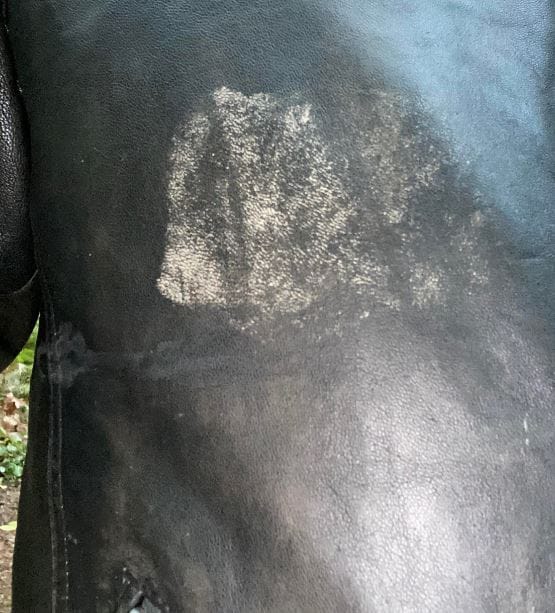
You’ve just gotten caught in the rain in your favorite leather jacket, or perhaps you’ve just given your leather gloves a careful clean. Now, they’re soaked, and your first instinct might be to toss them in the dryer to speed up the process. Stop right there.
The short and critical answer is no, you should never put leather in a conventional clothes dryer. Doing so is one of the fastest ways to ruin a beautiful and often expensive leather item. But why is the dryer so harmful, and what should you do instead? This guide will walk you through the science, the risks, and the correct methods for drying leather safely.
Why Your Dryer is Leather’s Worst Enemy
A conventional tumble dryer subjects items to intense, direct heat and mechanical tumbling. Leather is a natural, porous material made from animal hide, and it reacts very poorly to these conditions. Here’s a breakdown of what happens inside that spinning drum:
- Intense Heat: High heat essentially “cooks” the leather. It causes the natural oils and moisture within the hide to evaporate rapidly, leaving the material dry, brittle, and prone to cracking. Think of it like a steak left in the oven for too long—it becomes tough and loses all its flexibility.
- Loss of Suppleness: Leather’s soft, pliable feel comes from its natural oils. The dryer strips these away, permanently altering the texture and making the garment feel stiff and cardboard-like.
- Shrinkage: As the fibers in the leather lose moisture too quickly, they contract. This can lead to significant, irreversible shrinkage. Your perfectly fitted jacket could become a size too small.
- Cracking and Warping: Without its natural plasticity, leather can easily crack along stress points, like the elbows of a jacket or the toes of boots. The tumbling action can also warp the item’s shape.
- Damage to Finishes and Dyes: The heat can cause the topcoat and dyes on the leather to fade, peel, or become sticky.
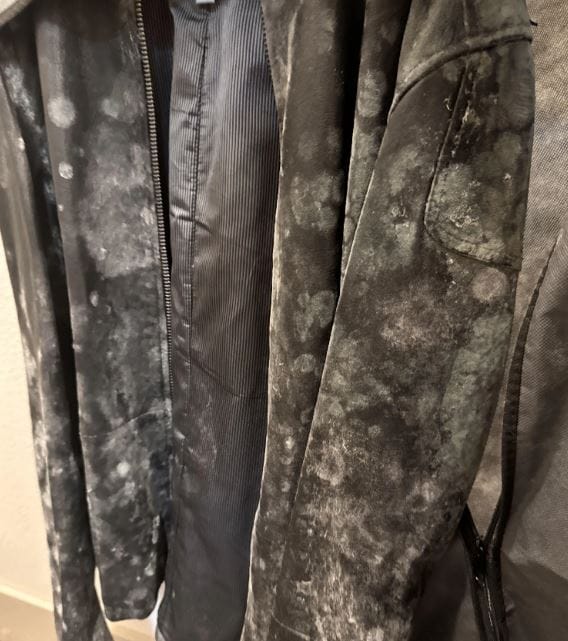
As Marta Wohrle, a master restorer at The Leather Conservation Centre, explains: “Leather is a hygroscopic material, meaning it needs to maintain a certain equilibrium with environmental moisture. Forcing that moisture out with aggressive heat doesn’t just dry it; it fundamentally damages the collagen structure of the fibers, leading to permanent strength loss and embrittlement.”
The Correct Way to Dry Leather: A Step-by-Step Guide
Patience is your greatest ally when dealing with wet leather. Follow these steps for the best results:
- Remove Excess Moisture: Gently wipe the surface with a soft, absorbent, and lint-free cloth (like a microfiber towel). Do not rub aggressively. For soaked items, you can gently press the leather between two towels to draw out more water.
- Air Dry at Room Temperature: This is the golden rule. Place the leather item in a well-ventilated room away from direct sunlight, radiators, or other heat sources.
- Use a Proper Form:Never dry leather flat. It can hold water and develop water spots or mildew.
- For jackets and vests, use a padded, broad-shouldered hanger.
- For boots and shoes, use shoe trees or stuff them with crumpled paper to help them retain their shape.
- For bags, stuff them with paper or cloth to help them hold their form.
- Let it Dry Naturally: Allow 24-48 hours for the item to dry completely. Do not attempt to speed up the process.
- Condition: Once the leather is fully dry, it will have lost some of its natural oils. Apply a high-quality leather conditioner to restore suppleness and provide a protective layer. Test the conditioner on a small, inconspicuous area first.
Comparison Table: Dryer Drying vs. Air Drying Leather
The table below clearly illustrates the dramatic differences in outcomes between the two methods.
| Feature | Tumble Dryer | Proper Air Drying |
|---|---|---|
| Heat | High, direct heat | Room temperature, no direct heat |
| Resulting Texture | Stiff, brittle, cardboard-like | Soft, supple, retains natural feel |
| Risk of Shrinkage | Very High | None |
| Risk of Cracking | Very High | Very Low (if conditioned afterward) |
| Color & Finish | Can fade, peel, or blister | Preserves color and finish |
| Shape Integrity | High risk of warping and misshaping | Maintains original shape |
| Time | Fast (1-2 hours) | Slow (24-48 hours) |
| Overall Item Longevity | Severely Shortened | Maximized and Preserved |
Special Case: Can You Ever Use a Dryer?
The only potential exception is with certain modern synthetic or “vegan” leathers. However, this is a minefield and should not be assumed.
- Check the Care Label: This is the most important step. If the tag explicitly states “tumble dry low,” you might be safe.
- Know the Material: Vegan leather is often a plastic (PU or PVC) coating on a fabric base. Low heat may not damage it, but high heat can melt or warp the plastic coating.
Proceed with extreme caution. Even on a low setting, the tumbling action can cause abrasion and wear on synthetic materials. Air drying is almost always the safer bet.
Quick-Reference Table: How to Handle Different Leather Items
| Leather Item | Best Drying Method | Key Consideration |
|---|---|---|
| Jacket & Coats | Air dry on a padded hanger | Ensure good air circulation around the entire jacket. |
| Boots & Shoes | Air dry with shoe trees/stuffed with paper | Remove insoles to dry separately. |
| Gloves | Air dry, laid flat or lightly stuffed | Gently reshape while damp. |
| Bags & Purses | Air dry, stuffed with paper to hold shape | Keep compartments open for air flow. |
| Furniture | Air dry, wipe with absorbent cloth | Use a fan to circulate air in the room. |
| Belts | Air dry, hanging or laid flat without folds |
Final Verdict
So, can you dry leather in the dryer? The resounding answer is no. The convenience of a quick dry is never worth the risk of ruining your leather goods. The intense heat and tumbling action of a machine dryer will lead to shrinkage, stiffness, cracking, and irreversible damage.
The only way to properly dry leather is with patience and air drying. By following the correct steps—gently removing moisture, air drying at room temperature on an appropriate form, and conditioning afterward—you will preserve the beauty, fit, and longevity of your leather items for years to come.