Can I Use Disinfecting Wipes on Leather? The Surprising Truth
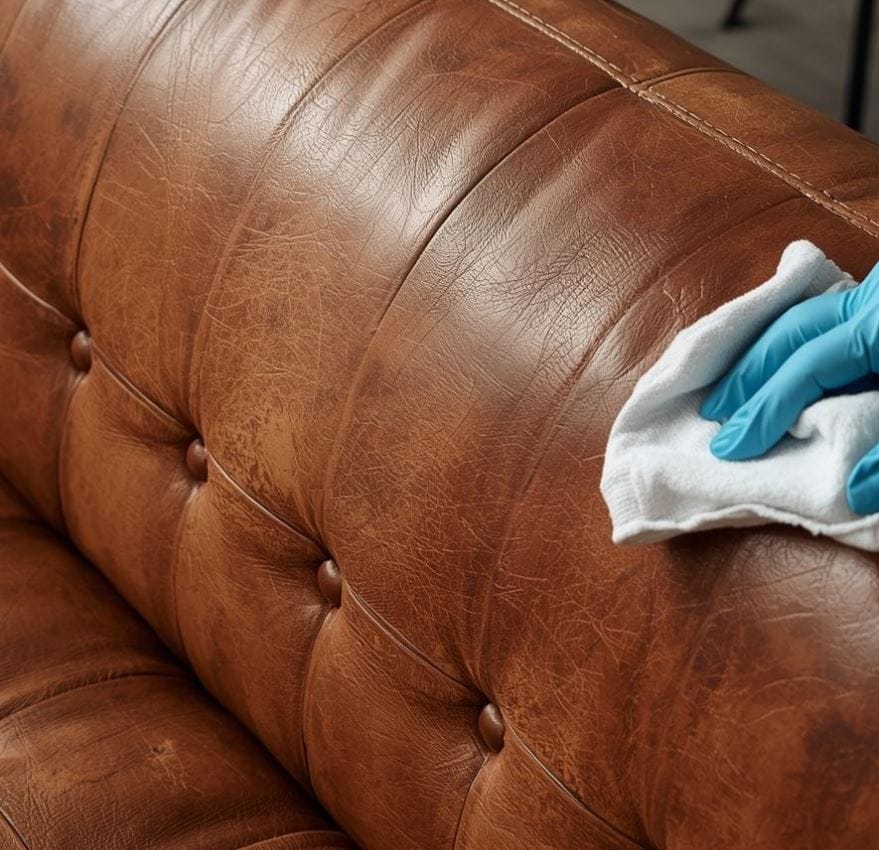
In our hygiene-conscious world, reaching for a disinfecting wipe to clean surfaces is second nature. From kitchen counters to doorknobs, these convenient wipes promise to eliminate germs quickly. But when it comes to prized possessions like a leather sofa, car seats, or a designer handbag, a critical question arises: Can I use disinfecting wipes on leather?
The short and direct answer is no, you should not use standard household disinfecting wipes on leather. While effective against germs, the very chemicals that make them powerful disinfectants can cause severe and irreversible damage to leather. This article will delve into the reasons why, the science behind the damage, and provide safe, effective alternatives to keep your leather items both clean and sanitized.
Why Disinfecting Wipes are a Leather’s Worst Enemy
Leather is not a synthetic plastic; it is a porous, natural material made from animal hide. Its beauty and durability come from its natural oils and a protective topcoat. Standard disinfecting wipes are formulated for hard, non-porous surfaces and contain chemicals that aggressively strip away what makes leather supple and beautiful.
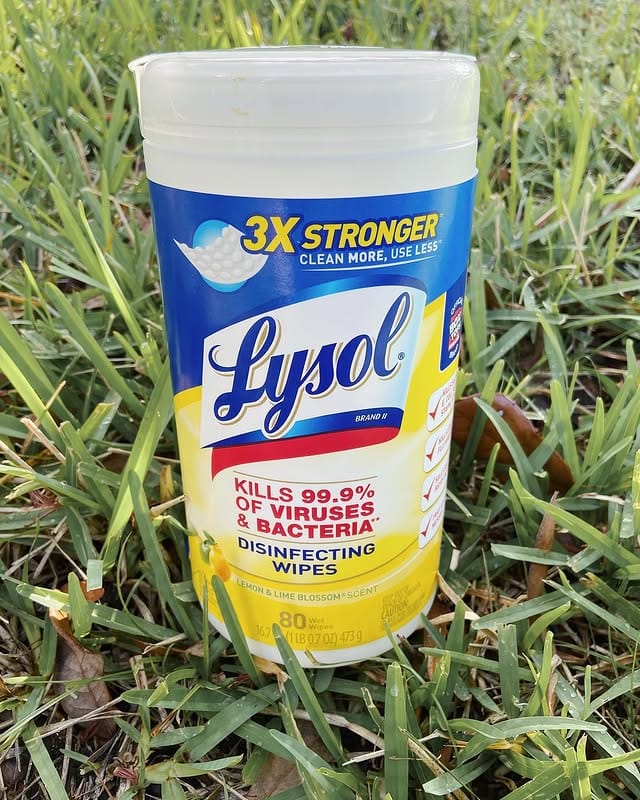
The damaging chemicals typically found in disinfecting wipes include:
- Alcohol (Isopropyl Alcohol or Ethanol): A powerful drying agent that rapidly depletes leather’s natural oils, leading to stiffness, cracking, and fading.
- Bleach (Sodium Hypochlorite) or Bleach-based Compounds: A harsh chemical that will strip color from dyed leather, causing permanent discoloration and weakening the fibers.
- Ammonia: Another harsh chemical that dries out leather and can break down its protective topcoat.
- Abrasive Surfactants: These cleaning agents can be too harsh for leather’s delicate surface, leading to a dull finish.
Quote from a Leather Care Expert:
“Think of leather like your own skin. You wouldn’t use a harsh chemical disinfectant to wash your hands because it would dry them out terribly. Leather needs its natural moisture and oils to remain flexible. Using a disinfecting wipe is like giving your leather item a chemical burn—it might not be immediate, but the damage is cumulative and devastating.”
— Sarah Jenkins, Master Restorer at The Leather Studio
The Consequences: What Happens When You Use a Disinfecting Wipe?
The damage may not be instant, but it is almost always certain. Here’s a breakdown of what you can expect:
| Leather Type | Short-Term Effect | Long-Term Damage |
|---|---|---|
| Aniline (Unprotected) | Immediate discoloration, visible drying, and potential dye transfer. | Severe cracking, permanent stains, loss of structural integrity. |
| Semi-Aniline (Lightly Protected) | Dulling of the finish, a sticky or stiff feeling. | Gradual fading, increased susceptibility to scratches, and hardening. |
| Pigmented (Most Common – sofas, car seats) | Might seem fine at first, but the protective topcoat is being eroded. | The topcoat wears away, leading to color loss, peeling, and cracking underneath. |
How to Safely Clean AND Disinfect Leather
The good news is that you can effectively clean and reduce germs on leather without resorting to damaging chemicals. The key is a two-step process: clean first, then disinfect safely.
Step 1: The Basic Clean
For routine cleaning and after spotting spills, always start with a gentle, leather-specific cleaner.
- Dust: Wipe the surface with a soft, dry, microfiber cloth to remove dust and grit.
- Clean: Apply a pH-balanced leather cleaner to a clean microfiber cloth—never directly onto the leather. Wipe in a gentle, circular motion.
- Dry: Wipe the area with a slightly damp cloth to remove any residue and then buff dry with another clean, dry cloth.
Step 2: Safe Disinfection Methods
True disinfection (killing 99.9% of germs) on porous materials like leather is challenging, but you can significantly reduce pathogens to a safe level using these methods:
- 70% Isopropyl Alcohol Solution (Use with Extreme Caution):
- This is the only scenario where a disinfectant can be used, and it must be done carefully.
- Method: Mix a solution of 70% isopropyl alcohol and distilled water (30% alcohol, 70% water). Lightly mist a soft microfiber cloth until it is barely damp—never wet. Wipe the surface gently and allow it to air dry completely.
- CRITICAL: Always test this on a hidden area first (like a back flap or underneath a cushion). Follow up immediately with a leather conditioner to replenish lost moisture.
- Steam Cleaning (Professional Method):
- The heat from a garment steamer or a professional steam cleaner can kill many types of bacteria and viruses.
- Method: Hold the steamer several inches away from the leather and never let it make direct contact. Use a sweeping motion and follow up with a dry cloth to absorb moisture. This is best left to professionals.
- Specialized Leather Sanitizing Sprays:
- Some companies now offer sanitizing sprays specifically formulated for leather. These are designed to be effective against microbes without harming the material. Look for products with clear labeling for use on leather.
Prevention is the Best Medicine
The easiest way to manage germs on leather is to prevent them from building up in the first place.
- Regular Cleaning: A weekly wipe-down with a dry microfiber cloth removes the dirt and grime that harbor bacteria.
- Condition Regularly: Using a quality leather conditioner every 6-12 months keeps the leather nourished, creating a more resilient surface.
- Wash Your Hands: Simple, but effective. Clean hands mean less transfer of germs to your leather goods.
Conclusion
While the intention behind using disinfecting wipes is good, the outcome for your leather items is decidedly bad. The harsh chemicals will compromise the material’s integrity, leading to costly damage or irreplaceable loss.
The verdict is clear: Avoid standard disinfecting wipes on leather. Instead, adopt a routine of gentle cleaning with pH-balanced products and condition regularly. For times when you need a higher level of sanitation, the carefully diluted alcohol method or a professional service are your safest bets. By treating your leather with the care it deserves, you can ensure it remains beautiful, supple, and clean for years to come.