Can a Flat Iron Kill Nits? The Hot Truth for Parents
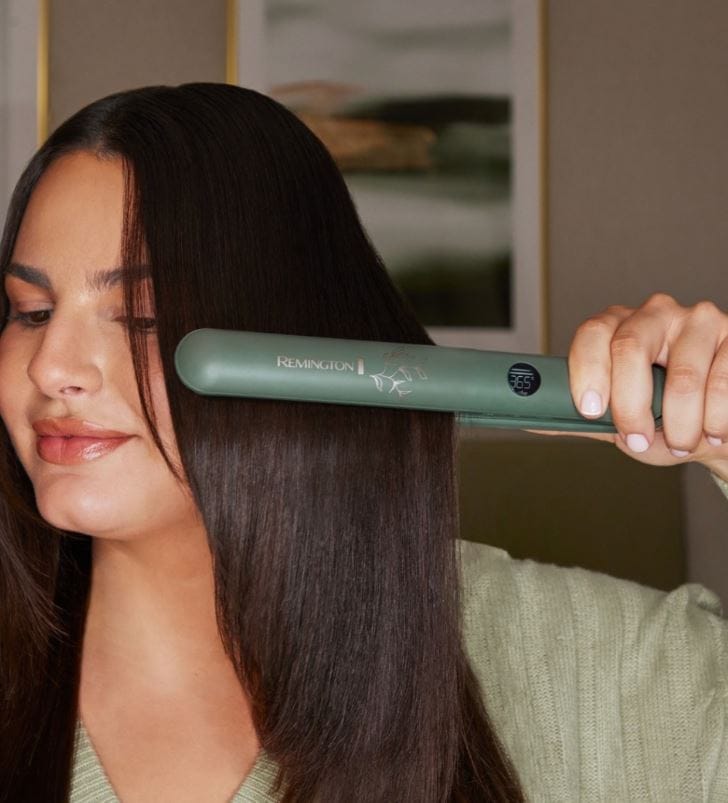
The discovery of head lice in your child’s hair can send a shiver down any parent’s spine. The immediate reaction is often a desperate search for a quick and definitive solution. In this digital age, countless home remedies circulate online, and one of the most talked-about is the use of a flat iron or hair straightener.
The logic seems sound: lice and nits (lice eggs) are tiny, and extreme heat should kill them. But is this method a legitimate hack or a dangerous myth? This article separates fact from fiction, exploring the effectiveness, significant risks, and safer alternatives for dealing with a lice infestation.
Understanding the Enemy: Lice vs. Nits
Before we apply heat, it’s crucial to understand what we’re up against.
- Lice: These are the live, moving insects. They are about the size of a sesame seed and feed on tiny amounts of blood from the scalp.
- Nits: These are the eggs laid by adult female lice. They are firmly cemented to the hair shaft, very close to the scalp, where the temperature is ideal for incubation. Nits are notoriously resilient and are the primary reason lice are so hard to eliminate.
The Burning Question: Can a Flat Iron Kill Nits?
The short answer is yes, but with major caveats and significant risks.
Direct, sustained heat at a high enough temperature can indeed kill both live lice and nits. The protein structure of the louse and the embryo inside the nit can be denatured by heat, much like cooking an egg.
Dr. Sarah Jones, a board-certified dermatologist, cautions: “While thermally induced death is possible in theory, the practical application of a flat iron on a child’s scalp is fraught with danger. The risk of first, second, and even third-degree burns is extremely high. The scalp is one of the most vascular and sensitive areas on the body.”
The Problem with Relying on a Flat Iron
- Inefficient Coverage: A flat iron only treats the individual strands of hair it touches. It is impossible to systematically straighten every single hair on the head, especially the fine, short hairs close to the scalp where nits are most prevalent. Miss just a few nits, and the infestation will restart in 7-10 days.
- Temperature Inconsistency: To kill nits, studies suggest you need sustained temperatures above 130°F (55°C). Most flat irons operate between 300°F and 450°F. At these high temperatures, you are far more likely to burn the hair and scalp before you can effectively and safely treat all nits.
- Resilience of Nits: Nits have a tough, shell-like casing that protects the developing louse inside. Simply brushing past the nit with a hot tool may not be enough to transfer the lethal heat required.
Comparison: Flat Iron vs. Proven Lice Treatments
The following table clearly illustrates why a flat iron is not a recommended solution compared to established methods.
| Feature | Flat Iron / Hair Straightener | Traditional Nit Combing | Medicated Lice Shampoos |
|---|---|---|---|
| Effectiveness | Low (inefficient, misses many nits) | Very High (when done meticulously) | High (when combined with nit combing) |
| Primary Risk | Severe scalp & hair burns, hair damage | Minor scalp irritation | Potential skin irritation, pesticide resistance |
| Cost | Medium-High (cost of the tool) | Low (cost of a good quality comb) | Medium (cost of product) |
| Skill Required | High (risk of injury) | Medium (requires patience and technique) | Low (follow package instructions) |
| Target | Individual hair strands | All hairs from root to tip | Live lice and some nits |
The Verdict: A Dangerous and Ineffective Shortcut
Using a flat iron to kill nits is not a safe or reliable method for treating head lice. The potential for causing serious injury to your child’s scalp and damaging their hair far outweighs the minimal, inconsistent benefit it might provide.
Jane Miller, a veteran school nurse with 20 years of experience, states: “I have seen more children come into my office with burns from flat iron attempts than with severe cases of lice itself. The fear and urgency parents feel are understandable, but this method creates a new, more painful problem. Stick with the comb—it’s slow, but it’s safe and it works.”
Safe and Effective Alternatives to a Flat Iron
Instead of risking a burn, focus on these proven, safe strategies:
- The Gold Standard: Wet Combing
This is the most effective non-chemical method. Use a high-quality, metal nit comb on wet, conditioned hair. The conditioner stuns the live lice and makes it easier to slide the nits off the hair shaft. Section the hair and systematically comb through each section, wiping the comb on a paper towel after each pass. - Over-the-Counter (OTC) Treatments
Shampoos and lotions containing ingredients like Permethrin or Pyrethrins are widely available. Crucially, these must be followed by thorough nit combing 9 days later to remove any remaining nits, as OTC treatments are not always 100% effective at killing eggs. - Prescription Treatments
For resistant infestations, a doctor can prescribe stronger treatments like Ivermectin or Malathion lotions. - Professional Lice Removal Services
For parents short on time or patience, professional services use safe, non-toxic methods and specialized combs to completely clear an infestation.
Conclusion
While the idea of “zapping” nits with a flat iron is tempting in its simplicity, it is a dangerous gamble. The risk of inflicting painful burns on your child is unacceptably high for a method that is, at best, only partially effective.
The bottom line: Leave the flat iron for styling hair. When it comes to eliminating head lice, the safest and most effective path involves patience, a good nit comb, and proven treatment products. Your child’s safety is worth far more than a quick fix.