Can Flushable Wipes Cause Yeast Infections? A Detailed Analysis
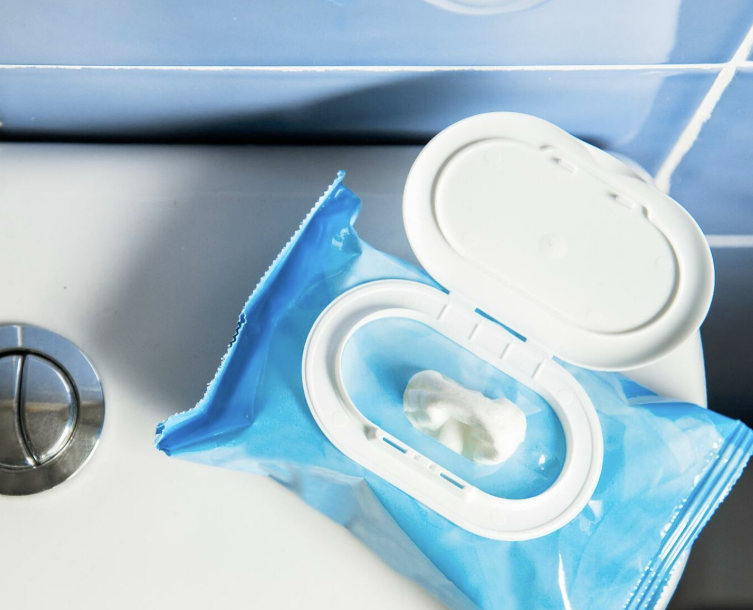
Direct Answer: Yes, flushable wipes can contribute to the development of yeast infections (vulvovaginal candidiasis) in susceptible individuals. While they do not directly “cause” the Candida fungus to appear—since the yeast is naturally present in the vaginal flora—they can disrupt the delicate ecological balance of the vulvovaginal area, creating an environment where yeast overgrowth becomes more likely .
The convenience of flushable wipes has made them a staple in many bathrooms. However, gynecologists and sexual health services increasingly advise caution regarding their use on intimate skin. The primary mechanisms by which these products may increase the risk of yeast infections include chemical irritation, disruption of pH balance, and mechanical micro-trauma.
The Mechanism: How Wipes Disrupt Vaginal Health
To understand the link between flushable wipes and yeast infections, it is essential to understand the vaginal microbiome. A healthy vagina is not sterile; it hosts a balanced ecosystem dominated by Lactobacillus bacteria, which produce lactic acid to maintain a pH between 3.8 and 4.5. This acidic environment naturally inhibits the overgrowth of pathogens, including Candida albicans, the fungus responsible for most yeast infections .
Flushable wipes, even those marketed as “sensitive” or “pH-balanced,” can interfere with this defense system in several ways:
- Chemical Irritation and Allergens: Many wipes contain preservatives (such as methylisothiazolinone), fragrances, or surfactants. These ingredients can cause contact dermatitis or allergic reactions on the sensitive vulvar skin. When the skin barrier is compromised by irritation, the natural defense against opportunistic organisms like yeast is weakened .
- pH Imbalance: The pH of many wet wipes is closer to neutral or slightly alkaline. Repeated use can neutralize the protective acidity of the vulvar area, potentially allowing Candida to proliferate .
- Micro-Trauma: The act of wiping with a moistened cloth, especially if done vigorously, can cause microscopic abrasions in the mucosal tissue. These tiny breaks in the skin barrier serve as entry points for irritation and infection .
- Moisture Imbalance: Leaving residual moisture or chemical film on the vulva can create a warm, damp environment that favors yeast growth, similar to the effect of wearing wet swimwear for extended periods .
What Health Authorities Say
Major health organizations and clinical guidelines consistently recommend avoiding the use of wet wipes on genital skin for routine hygiene.
Comparing Options: Flushable Wipes vs. Dry Toilet Paper
For individuals concerned about hygiene and yeast infection risk, understanding the differences between product types is crucial. The table below compares the characteristics of standard flushable wipes against the clinically recommended alternative.
Risk Factors and Individual Susceptibility
Not everyone who uses flushable wipes will develop a yeast infection. Susceptibility depends on several individual factors:
- History of Sensitive Skin or Eczema: Individuals with a history of contact dermatitis are more likely to react to the preservatives in wipes .
- Frequency of Use: Occasional use (e.g., during travel or menstruation) poses a lower risk than daily, habitual use.
- Compromised Immune System: Individuals with diabetes or those taking antibiotics are already at higher risk for yeast infections; adding chemical irritants may compound this risk.
- Existing Vaginal Conditions: If the skin is already irritated or broken, the warning labels on many wipes explicitly state not to use them on irritated or broken skin .
Safer Hygiene Practices
For those who wish to minimize the risk of yeast infections while maintaining cleanliness, gynecologists recommend the following:
- Stick to Dry Paper: After using the toilet, wipe gently from front to back with plain, unscented toilet paper. This is sufficient for basic hygiene .
- Use Water Only for External Washing: During bathing or showering, simply use warm water to cleanse the external vulvar area. Avoid scrubbing with soaps or shower gels .
- Pat Dry: After washing, pat the area dry with a clean towel or allow it to air dry. Moisture is a friend to yeast .
- Avoid “Feminine Hygiene” Products: Sprays, deodorants, and specialized washes are unnecessary and can disrupt the natural balance .
When to Seek Medical Advice
If you have discontinued the use of flushable wipes and maintain gentle hygiene practices but still experience symptoms of a yeast infection—such as intense itching, burning, redness, or thick, white discharge—you should consult a healthcare professional. Recurrent yeast infections (typically defined as four or more in a year) require medical evaluation to rule out underlying causes like diabetes or resistant strains of Candida .
Frequently Asked Questions (FAQs)
1. Can I use “flushable” wipes that are labeled “pH-balanced” or “gynecologist-tested”?
Even wipes marketed as pH-balanced or gynecologist-tested carry a risk. While they may be formulated to be less disruptive than standard wipes, they still contain preservatives to prevent bacterial growth in the package, and the act of wiping introduces moisture and friction. Health authorities like the NHS and Columbia Doctors recommend avoiding all wet wipes on the genital skin for routine hygiene, favoring dry paper instead .
2. Is it possible that my yeast infection is actually caused by an allergic reaction to the wipes?
Yes, this is a distinct possibility. Contact dermatitis from preservatives like methylisothiazolinone (MI) can mimic or trigger yeast infection symptoms. A report to the FDA described a patient who suffered from recurring “yeast infections” and skin lesions for over two years, which resolved only after she stopped using wipes containing MI . If you suspect an allergy, discontinue use and consult a doctor for proper diagnosis.
3. Are there any safe alternatives to flushable wipes for cleaning after a bowel movement?
The safest alternative is to use dry toilet paper and then, if desired, cleanse the external area with plain water using a bidet or a peri-bottle (a squeeze bottle used for cleansing). After washing, pat dry with toilet paper or a clean cloth. This method avoids chemical exposure and leaves the area dry, which is optimal for preventing yeast overgrowth .
4. Do flushable wipes cause bacterial vaginosis (BV) as well as yeast infections?
Yes, they can contribute to both. The same mechanisms that allow yeast to overgrow—disruption of pH and depletion of protective Lactobacillus bacteria—can also allow anaerobic bacteria like Gardnerella to proliferate, leading to bacterial vaginosis. The NHS Lothian explicitly lists wet wipes as a factor that can upset the natural bacterial balance associated with BV .
5. I only use flushable wipes during my period. Is that safe?
While occasional use may be lower risk for some, it is not considered entirely safe, particularly for individuals prone to irritation or recurrent infections. During menstruation, the vulvar skin may already be more sensitive. Using wipes can add additional chemical and mechanical stress. If you feel you must use a wipe during your period, choose an unscented, dye-free option and use it sparingly, ensuring the area is patted dry afterward. However, changing pads or tampons frequently and washing with water is the preferred method to prevent odor and infection .