What Causes a Black Ring in the Toilet Bowl?
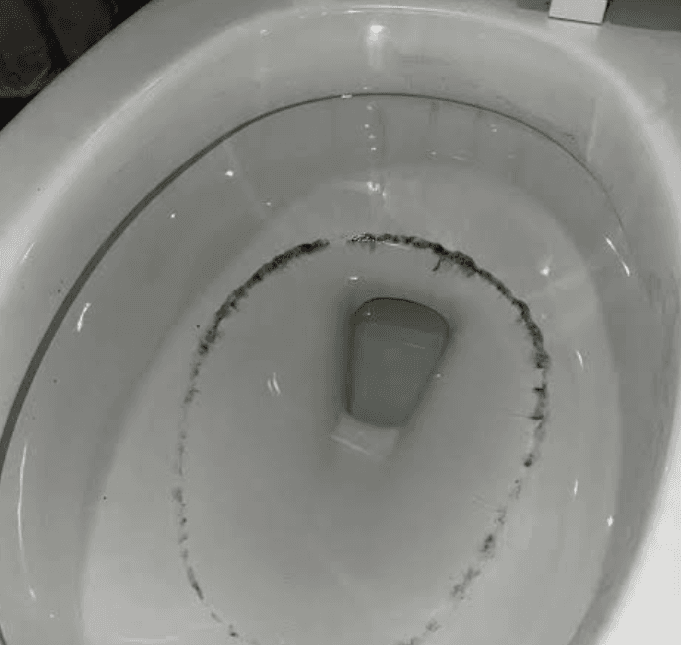
A black ring around the waterline of your toilet bowl is an unsightly but common household issue. While the appearance of this dark, stubborn stain often prompts homeowners to reach for the strongest chemical cleaners available, understanding the root cause is essential for effective removal and long-term prevention.
The black ring is rarely a sign of a serious plumbing failure. Instead, it is typically the result of biological growth, mineral deposits, or a combination of both, exacerbated by environmental conditions within the bathroom.
The Primary Causes of Black Toilet Rings
Identifying the specific cause of your toilet ring is the first step toward eliminating it. Several factors can contribute to the formation of a dark ring at the waterline, and in many cases, the issue is multifaceted.
Mold and Mildew Growth
The most common culprit behind a black ring is mold or mildew. Bathrooms provide an ideal environment for fungal growth due to high humidity and the presence of standing water. When water sits undisturbed in the toilet bowl, airborne mold spores can settle and proliferate, feeding on organic matter present in the water .
Mold and mildew rings typically appear black, orange, or green, and may also streak down the sides of the bowl . These organisms thrive particularly well in toilets that are infrequently used, such as guest bathrooms or vacation homes, where water stagnation allows them to flourish without disruption .
Bacterial Accumulation
Bacteria naturally present in water and human waste can accumulate at the waterline, forming a slimy ring that may appear dark over time . This is more common in toilets that are not flushed or cleaned regularly, as the bacteria have uninterrupted time to multiply .
Interestingly, the chlorine added to municipal drinking water to suppress bacteriological growth is often insufficient to prevent this issue above the waterline. As a result, black rings are frequently found just above the water level rather than below it .
Mineral Deposits from Hard Water
Hard water contains high concentrations of minerals such as calcium, magnesium, and iron. As water evaporates or sits in the bowl, these minerals settle on the porcelain surface, creating a rough, porous film at the waterline .
This mineral buildup does more than just create a visible stain. It provides a textured surface where mold, mildew, and bacteria can easily adhere and thrive, creating a combined problem that is more difficult to remove than either issue alone . Iron in particular can leave rust-colored or dark stains that contribute to the black ring’s appearance .
Infrequent Use and Water Stagnation
Toilets that sit unused for extended periods are significantly more prone to developing black rings. Without regular flushing to introduce fresh chlorinated water and disrupt the surface, stagnant water becomes a breeding ground for biological growth and a settling ground for minerals . This explains why the problem is so commonly discovered after returning from vacation .
Deteriorating Rubber Components
In some cases, the black ring or black flecks in the toilet water may originate from the toilet’s own internal components. Black polypropylene washers and toilet tank stoppers can degrade over time, particularly when exposed to chlorine in the water supply. As these rubber parts erode, they can disintegrate and leave black residue in the bowl .
Comparison of Common Causes
The following table summarizes the key characteristics that can help you distinguish between the main causes of black toilet rings.
Note: In many real-world situations, the black ring is caused by a combination of these factors. Mineral deposits create a rough surface that traps organic matter, which then supports mold and bacterial growth. This synergy explains why some rings are exceptionally stubborn and require both descaling and disinfection to remove fully .
Why Some Toilets Are More Prone Than Others
Not all toilets in a home develop black rings at the same rate. Several variables influence susceptibility:
Bathroom Location and Ventilation. The master bathroom, which is typically used for showering and bathing, tends to have higher ambient humidity. Poor ventilation traps this moisture, creating a more favorable environment for mold and mildew growth compared to less humid bathrooms .
Water Quality. Homes with hard water or private well water are at significantly higher risk. The mineral content provides both the staining material and the porous substrate that encourages biological growth .
Frequency of Use. Guest bathrooms and vacation home toilets that sit unused for days or weeks are prime candidates for ring formation due to water stagnation .
Toilet Design and Age. Some toilet models may have bowl geometries or glaze finishes that are more prone to staining. Additionally, older toilets with degraded internal rubber components may contribute black residue to the bowl .
Seasonal Factors. In humid climates and during summer months, the combination of warmth and moisture accelerates mold and bacterial growth, making rings appear more quickly .
Effective Removal Strategies by Cause
Once you have identified the likely cause, you can select the most appropriate cleaning method.
For Mold and Mildew Rings
Antimicrobial cleaners are the most effective choice. Apply a toilet bowl cleaner formulated to kill mold and mildew, or use a diluted bleach solution. Let the product sit for the manufacturer’s recommended contact time to ensure it kills the organisms, then scrub thoroughly before flushing .
For prevention, improving bathroom ventilation by running the exhaust fan or opening a window can reduce the humidity that mold needs to thrive .
For Hard Water and Mineral Deposits
Acidic cleaners dissolve the mineral bond that holds the stain to the porcelain. White vinegar is a safe and accessible option. Pour two to three cups into the bowl, or soak paper towels in vinegar and press them against the stain, and let it sit for at least 30 minutes to several hours before scrubbing .
For tougher deposits, a cleaner containing citric acid can be more effective. In cases of severe, calcified buildup, a pumice stone designed for toilet cleaning can be used gently to abrade the deposit away. It is critical to keep the pumice stone wet and use light pressure to avoid scratching the porcelain finish .
For Combined Organic and Mineral Rings
When the ring is both biological and mineral in nature, a two-step approach may be necessary. First, use an acidic cleaner to break down the mineral structure. After rinsing, follow with an antimicrobial cleaner to kill any remaining mold or bacteria that were embedded in the deposit .
Prevention: Stopping the Ring Before It Starts
Prevention is considerably easier than removal. The following measures can significantly reduce the likelihood of black rings forming in your toilet bowls.
When to Suspect a Larger Issue
While the vast majority of black toilet rings are purely aesthetic and biological in origin, there are rare circumstances where they indicate a different problem.
If you notice black flecks in the water rather than a ring on the bowl surface, the issue may be deteriorating rubber components within the toilet tank. The black polypropylene washers and stoppers can erode over time, particularly when exposed to chlorinated water. Replacing the toilet stopper with a hard plastic version can resolve this issue .
Additionally, if black ring staining appears alongside staining on other fixtures—such as sink drains, showerheads, or tubs—the problem is likely environmental (mold and mildew) rather than a water quality issue . In contrast, if only one toilet in the home is affected while others remain clean, the difference may come down to usage patterns, ventilation, or the condition of that specific fixture’s internal components .
Conclusion
A black ring in the toilet bowl is a cosmetic nuisance that signals an imbalance in the bathroom environment. Whether the cause is mold flourishing in stagnant water, minerals depositing from hard water, or a combination of both, the solution involves understanding the specific conditions in your home. By identifying the primary cause and implementing consistent prevention habits, you can keep your toilet bowls free of unsightly rings and maintain a more hygienic bathroom.