Can I Use Irish Spring Soap on My Tattoo? A Detailed Aftercare Guide
The short answer is no. While Irish Spring is a popular and effective soap for general body cleansing, it is not recommended for use on a fresh or healing tattoo. Using it can lead to irritation, increased risk of infection, and potential damage to the final appearance of your ink.
Here is a detailed breakdown of why Irish Spring is unsuitable, what you should use instead, and the scientific reasoning behind these recommendations.
Why Irish Spring Soap Is Not Recommended for Tattoos
A new tattoo is essentially an open wound. The skin has been punctured thousands of times, leaving the dermis vulnerable to bacteria, irritation, and damage. Proper aftercare is critical to prevent infection and ensure the tattoo heals with crisp, vibrant lines.
Irish Spring soap contains several ingredients that are problematic for healing skin.
1. Fragrance and Dyes
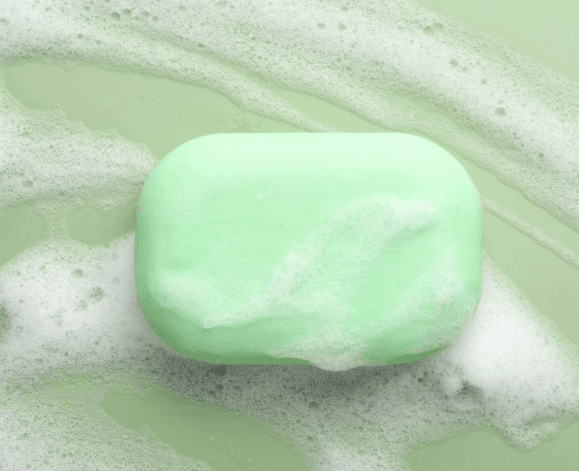
This is the primary reason to avoid Irish Spring. The soap is heavily fragranced and dyed a distinctive green . Fragrances and artificial dyes are among the most common causes of allergic contact dermatitis and skin irritation .
On intact skin, these additives are usually harmless. On a fresh tattoo, however, they can penetrate the compromised skin barrier, causing:
- Redness and inflammation
- Itching and burning
- Allergic reactions that can mimic or lead to infection
- Delayed healing
The Cleveland Clinic and the European Academy of Dermatology and Venereology explicitly recommend using mild, fragrance-free soap for tattoo aftercare . Irish Spring fails this fundamental criterion.
2. Harsh Surfactants and High pH
Irish Spring is a commercial “detergent bar” rather than a traditional cold-process soap . Its formulation includes synthetic surfactants designed to strip oil and dirt effectively. While this makes for a good body soap, it is too harsh for healing skin.
The pH of most bar soaps, including Irish Spring, tends to be alkaline (high pH) . Healthy skin has a slightly acidic pH (around 4.5-5.5). Washing a tattoo with an alkaline soap disrupts the skin’s acid mantle, stripping away natural oils and leaving the area dry, tight, and vulnerable to cracking . Cracking can cause ink loss and scarring.
3. Antibacterial Agent (Chloroxylenol)
Some Irish Spring variants contain chloroxylenol as an active antibacterial ingredient . While the idea of an antibacterial soap sounds appealing for wound care, the reality is more complex. The concentration and formulation are designed for intact skin, not open wounds. More importantly, the fragrance and dye issue far outweighs any potential antibacterial benefit .
4. Bar Soap Contamination Risk
Bar soap sits in a puddle of water between uses, creating a moist environment where bacteria can thrive . Touching a bar of soap with contaminated hands transfers bacteria onto its surface. When you then use that soap on a healing tattoo, you risk introducing that bacteria directly into the wound. Liquid soap is significantly more hygienic for wound care .
Comparison: Irish Spring vs. Recommended Tattoo Soaps
What Happens If You Use Irish Spring on a New Tattoo
Using Irish Spring will not necessarily cause a catastrophic infection, but it will significantly compromise the healing process. The most common outcomes include:
- Extreme Dryness and Tightness: The high-pH formulation strips the skin, leading to painful tightness and cracking . Cracks can cause the tattoo to heal unevenly.
- Increased Itching and Redness: Fragrance and dye irritate the wound, triggering an inflammatory response. This itching is miserable and increases the risk that you will scratch, damaging the line work .
- Cloudy or Faded Appearance: Inflammation and poor healing can cause the finished tattoo to look dull, cloudy, or prematurely faded .
- Allergic Reaction: You may develop a rash that looks similar to an infection, requiring medical attention.
What You Should Use Instead
The gold standard for tattoo aftercare is a mild, fragrance-free, liquid antibacterial soap .
Recommended Soaps
The Correct Washing Technique
- Wash your hands first with soap and water .
- Wet the tattoo with lukewarm (not hot) water .
- Apply a small amount of your fragrance-free liquid soap to your fingertips.
- Gently cleanse the tattoo using only your fingertips. Do not use a washcloth, sponge, or loofah—they harbor bacteria and cause friction .
- Rinse thoroughly until all soap residue is gone.
- Pat dry with a clean, disposable paper towel. Do not rub .
- Moisturize with a thin layer of tattoo-approved ointment or lotion.
- Repeat twice daily for the first two weeks .
Frequently Asked Questions
Can I use Irish Spring if my tattoo is already healed?
Yes. Once your tattoo is completely healed—typically 4-6 weeks, when the top layer of skin is intact and there is no scabbing, flaking, or sensitivity—you can resume using your regular body soap, including Irish Spring. The concern is specifically for the open-wound phase of healing.
What about Irish Spring body wash instead of the bar?
Irish Spring body wash contains similar fragrance and dye additives . While the liquid form is more hygienic than a bar, the chemical irritants remain. It is still not recommended for a healing tattoo.
My artist told me to use antibacterial soap. Isn’t Irish Spring antibacterial?
Some Irish Spring variants are labeled antibacterial, but the fragrance and dye content make them unsuitable . The goal is to find an antibacterial soap that is also fragrance-free and dye-free, such as Dial Fragrance-Free.
What if I already used Irish Spring on my new tattoo?
If you used it once, do not panic. Stop using it immediately and switch to a fragrance-free liquid soap. Monitor the tattoo for signs of infection (increasing redness, swelling, warmth, pus, red streaks) or a severe rash. If you notice any of these signs, contact a healthcare provider .
The Bottom Line
Irish Spring soap is formulated for cleansing intact skin, not for healing wounds. Its fragrance, dyes, high pH, and bar format make it a poor choice for tattoo aftercare. Using it risks irritation, infection, and a compromised final result.
For the best healing outcome, stick to a fragrance-free, dye-free liquid soap and follow your tattoo artist’s specific instructions. Your tattoo is a permanent investment—treat it with the care it deserves during the crucial healing phase.