How to Build a Cleaning Routine That Works for a Busy Household
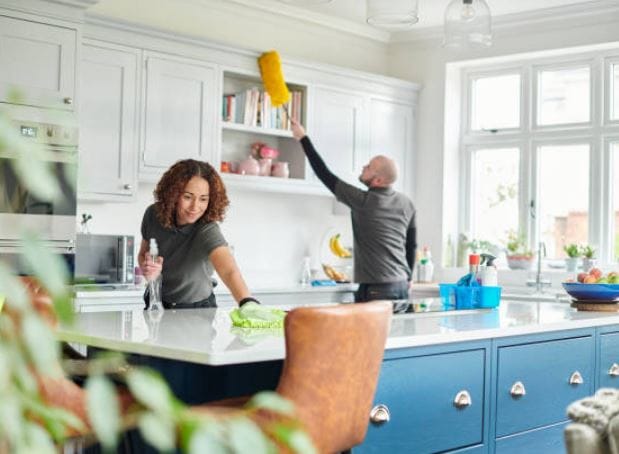
A busy home rarely stays clean because no one finds a free afternoon every week. Work, school, meals, errands, and last-minute plans can quickly push cleaning down the list.
A better approach is to build a cleaning routine around the time and energy the household actually has. The goal is to stop small jobs from becoming exhausting catch-up sessions.
Start With the Jobs That Matter Most
Not every task needs the same frequency. A useful routine separates jobs that affect daily comfort and hygiene from work that can wait until later in the week or month.
Choose a Short Daily Reset
Pick a few jobs that keep the home usable from one day to the next:
- Wash dishes or load the dishwasher.
- Wipe kitchen counters after food preparation.
- Put toys, clothes, and loose items away.
- Take out full trash bins.
- Sweep busy floor areas when needed.
Keep the list short. If the daily reset takes too long, it will be harder to maintain during packed weeks.
High-touch surfaces and areas that become visibly dirty usually need more regular attention than low-use spaces. In most homes, routine cleaning is enough unless someone is ill or there is another reason to disinfect.
Move Bigger Jobs to Weekly or Monthly Slots
Vacuuming the whole house, cleaning bathrooms, changing bed linen, dusting shelves, and mopping floors often fit better into a weekly plan.
Jobs such as wiping vents, cleaning behind appliances, washing window frames, or sorting storage areas can be handled monthly or seasonally.
This keeps the routine realistic. Trying to treat every cleaning job as urgent usually creates a schedule that is too difficult to follow.
Build the Routine Around Real Schedules
A cleaning plan should fit around the household, not force everyone to organize life around cleaning. Look at when people are actually home and where short blocks of time already exist.
Use Short Cleaning Blocks
A 10- or 15-minute task is easier to start on a busy weekday than a vague plan to “clean the house.” Assign one small area or job to each block.
For example:
- Monday: clean bathroom sinks and mirrors.
- Tuesday: vacuum the main living area.
- Wednesday: wipe kitchen cabinet fronts.
- Thursday: change towels and clean the toilet.
- Friday: clear surfaces and handle one missed task.
Spreading the work means one missed evening will not derail the whole routine.
Make Shared Tasks Clear
In a household with several people, “help with cleaning” is too vague. Give each person a specific job, room, or responsibility. “Clear the dining table after dinner” is much easier to follow than “tidy downstairs.”
Written routines also work better when the instructions are short and clear.
If a family is creating a shared cleaning chart, checking the wording with a grammar checker can be useful for spotting awkward or confusing instructions before the list is printed, pinned to the fridge, or added to a shared app.
Make Cleaning Easier Before You Start
A cleaning routine becomes faster when the space is ready to clean. Clutter often slows the process because surfaces and floors have to be cleared before any actual cleaning can begin.
Separate Tidying From Cleaning
Tidying and cleaning are related, but they are not the same task.
Tidying means returning items to their proper places. Cleaning means removing dust, dirt, spills, and grime.
For example, picking clothes off a bedroom floor is tidying. Vacuuming the cleared floor is cleaning.
Doing a quick tidy first gives better access to floors, counters, tables, and shelves. It can also make short cleaning sessions feel more productive.
Keep Supplies Near the Rooms Where You Use Them
Cleaning takes longer when every job starts with a search for cloths, spray, gloves, or trash bags.
Keeping basic supplies close to the rooms where they are used can remove that extra step. A small set of bathroom supplies, for example, can make it easier to wipe the sink or mirror when a few spare minutes appear.
Cleaning products should always be stored safely, especially in homes with children or pets. Follow label instructions, use products that are suitable for the surface, and avoid mixing household chemicals.
Make the Plan Easy to Maintain
Even a good routine will sometimes break because of travel, illness, deadlines, school events, or unexpected plans. A practical system needs room for missed tasks rather than turning them into a growing backlog.
Create a Minimum Cleaning List
Choose three or four jobs that keep the home functional during an especially difficult week:
- Deal with dishes.
- Wipe food-preparation surfaces.
- Empty full trash bins.
- Keep the toilet and bathroom sink reasonably clean.
Everything else can wait for a less demanding week.
This gives the household a fallback routine instead of creating pressure to complete the full schedule when there simply is not enough time.
Avoid Saving Everything for One Day
Moving every unfinished task to Saturday can turn a free day into hours of cleaning.
Instead, move only the most important missed job to the next available slot. Low-priority tasks can wait until their next scheduled time.
For instance, skipping one round of dusting is usually less disruptive than allowing dishes, overflowing bins, or bathroom mess to build up.
Leave Space for Catch-Up Tasks
A good weekly plan should include one flexible slot.
Friday evening or Saturday morning, for example, could be reserved for one task that was missed earlier in the week. If nothing was missed, that time stays free.
This stops the schedule from becoming rigid while preventing unfinished jobs from accumulating.
Review the Routine and Adjust It
A cleaning schedule should change when household needs change. What works during a quiet month may not work during school holidays, busy work periods, or when more people are at home.
Check What Keeps Getting Skipped
After two weeks, look at the routine and identify the tasks that regularly go unfinished.
If Tuesday is always too busy for vacuuming, move it. If the kitchen needs attention more often than the spare room, adjust the frequency.
Share Work According to Ability and Availability
Cleaning responsibilities do not have to be divided equally to be fair.
One person may have more time on weekdays, while another can take on larger jobs at the weekend. Children can also handle age-appropriate tasks such as putting away toys, sorting laundry, or clearing their own spaces.
The aim is to make responsibilities clear and manageable for everyone involved.
Conclusion
A cleaning routine works best when it fits the household rather than trying to control it. Small daily resets, clearly assigned tasks, short cleaning blocks, and a flexible weekly plan can prevent chores from becoming overwhelming. The key is to keep the system realistic. Prioritize the jobs that matter most, adjust the schedule when life gets busy, and accept that some tasks can wait.