How to Get Rid of Sour Smell in Towels: A Complete Guide
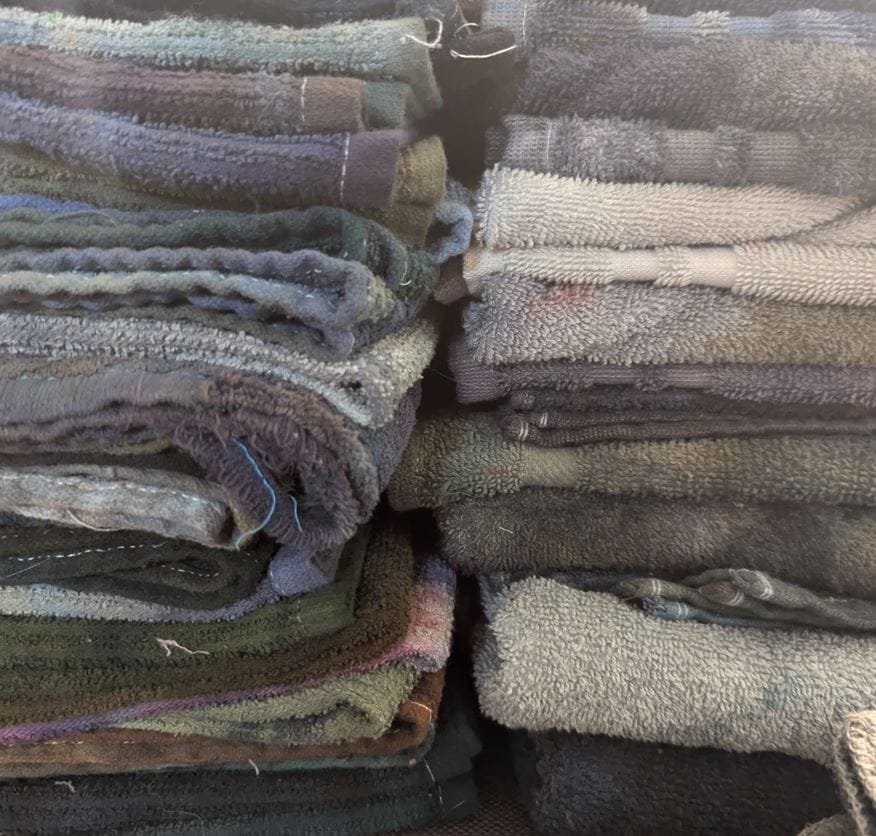
There is a distinct frustration in pulling a “clean” towel from the dryer, only to have it release a sour, musty odor the moment it gets wet. This experience is not a sign of poor hygiene; it is a chemical and biological problem rooted in laundry science. The odor is typically caused by bacteria and mildew that have colonized the towel fibers, feeding on trapped moisture, body oils, and detergent residue .
The good news is that this problem is entirely reversible. By understanding why towels sour and applying a targeted deep-cleaning method, you can restore them to a fresh, absorbent state. This guide covers the root causes, a step-by-step strip-wash method, prevention strategies, and a comparison of treatment options.
Why Towels Develop a Sour Smell
Understanding the mechanism behind the odor is essential to fixing it permanently. The sour smell is not simply “dirt.” It is the metabolic byproduct of microorganisms living within the fabric.
The Three Primary Causes
1. Detergent and Fabric Softener Residue
The most common mistake is using too much detergent. When detergent does not fully rinse out, it leaves a sticky film on the towel fibers. This film traps moisture and creates an ideal food source for odor-causing bacteria . Fabric softener compounds the problem significantly. It works by coating fibers with a waxy layer, which reduces absorbency and seals in the residue, effectively locking odors into the fabric .
2. Trapped Moisture and Delayed Drying
Towels are engineered to absorb water rapidly. When a damp towel is left bunched on a hook, on the floor, or in a hamper, the inner folds remain wet for hours. Bacteria can begin multiplying within 30 minutes on a damp surface . Even if the towel eventually dries, the bacterial population remains dormant, reactivating the moment the towel gets wet again .
3. Washing Machine Contamination
Front-loading and high-efficiency washing machines are particularly susceptible to mold and mildew growth around the rubber door seals and detergent dispensers. If the machine itself harbors mildew, it will transfer that odor to every load of laundry, regardless of how carefully you wash your towels .
The Strip-Wash Method: Restoring Sour Towels
For towels that already have a sour smell, a standard wash cycle is insufficient. You need a “strip wash” to remove the accumulated residue and kill the odor-causing bacteria. This method uses two common pantry staples: white vinegar and baking soda.
Critical Rule: Never mix vinegar and baking soda in the same wash cycle. They neutralize each other, canceling out their cleaning benefits. They must be used in separate cycles .
Step-by-Step Instructions
After completing this two-cycle process, the towels should smell neutral and fresh. If a faint vinegar scent remains, it will dissipate upon drying .
Comparison of Odor Removal Methods
Different situations call for different approaches. The following table compares the most common methods for treating sour towels.
Prevention: Keeping Towels Fresh Long-Term
Once you have successfully stripped your towels, adopting a few simple habits will prevent the sour smell from returning.
Laundry Habits
- Use Less Detergent: Most people use two to three times the necessary amount. Excess detergent is the primary cause of residue buildup. Use about half the recommended dose, or approximately two tablespoons for a standard load .
- Skip Fabric Softener: Fabric softener is unnecessary for towels. It coats fibers, reduces absorbency, and traps odors. If you want softer towels, the vinegar in the strip wash acts as a natural softener .
- Do Not Overload: Towels need ample space to agitate and rinse. Fill the washing machine only halfway for towel loads .
- Wash Frequently: Bath towels should be washed after every three to four uses. Kitchen towels and washcloths, which accumulate food residue and moisture, need washing more often, sometimes daily .
Drying and Storage Habits
- Hang Immediately and Spread Out: After use, hang towels so they are fully spread out, not bunched on a hook. Air must circulate around the entire surface to dry them quickly .
- Dry Completely: Whether using a dryer or a clothesline, ensure towels are bone dry before folding or storing. Even slight dampness will restart the bacterial growth cycle .
- Avoid the Hamper Trap: Do not toss damp towels into a closed hamper for extended periods. Allow them to dry fully before adding them to the laundry pile .
Maintaining the Washing Machine
A dirty washing machine will re-contaminate clean towels. Once a month, run an empty hot water cycle with two cups of white vinegar to clean the drum. Wipe down the rubber door gasket (on front-loaders) and leave the door ajar between loads to allow the interior to dry .
When to Replace Towels
Most towels can be rescued with the strip-wash method. However, there are instances when a towel is beyond saving. Consider replacement if:
- The towel has visible black mold or mildew spots that do not fade after treatment .
- The sour smell returns almost immediately after a proper strip wash and thorough drying .
- The fabric has become thin, stiff, or worn out, indicating the fibers have degraded and can no longer hold up to washing .
Towels that are too far gone do not need to be discarded entirely; they can be repurposed as cleaning rags or shop towels .
Summary
Getting rid of sour-smelling towels requires addressing the root cause: trapped residue and bacteria. The most effective solution is a two-step strip wash using white vinegar followed by baking soda in separate hot water cycles. This removes the buildup that harbors odor and kills the odor-causing microorganisms. Prevention, through reduced detergent use, elimination of fabric softener, and immediate thorough drying, ensures that towels stay fresh and absorbent for years.