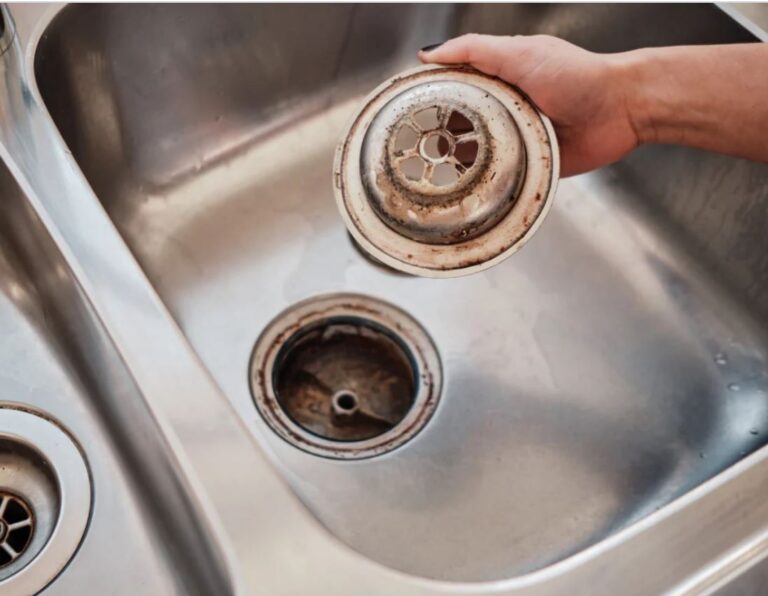
Why Does My Laundry Room Smell Like Rotten Eggs?

A rotten egg odor in your laundry room is a clear signal that something is wrong. The smell is almost always hydrogen sulfide gas (H₂S)—a byproduct of bacterial activity or, in the most serious cases, a natural gas leak.
The good news is that most causes are fixable without major expense. The critical first step is ruling out the one scenario that poses an immediate safety risk.
Safety First: Rule Out a Gas Leak
Natural gas and propane are odorless. Utility companies inject mercaptan—a sulfur-based compound—into the gas supply specifically so you can detect leaks by smell. If you have gas appliances in or near the laundry room (dryer, water heater, furnace), leave the house immediately and call your gas utility or the fire department from outside. Do not flip switches or use your phone indoors.
Once a gas leak is ruled out, you can troubleshoot the common causes below.
Quick Diagnosis: Where Is the Smell Coming From?
Before cleaning anything, narrow down the source. The table below compares the most common culprits and their telltale signs.
The Most Common Cause: Drain Hose and P-Trap Problems
If the smell is strongest during or right after a wash cycle, the problem is almost certainly in the drain setup.
Drain Hose Inserted Too Deep
Your washing machine’s drain hose empties into a standpipe. That standpipe connects to a P-trap—a U-shaped pipe that holds a small amount of water to block sewer gas from entering your home.
When the drain hose is pushed too far into the standpipe, it can create a siphoning effect. The draining water pulls the trap’s water seal down the drain with it, leaving an open pathway for sewer gas.
The fix: Pull the drain hose out so it extends no more than 6 to 8 inches into the standpipe. Secure it with a zip tie or clamp to prevent it from slipping back down.
Dry P-Trap
If your laundry room sees infrequent use—or if the washer drains into a standpipe or floor drain that rarely gets water—the P-trap’s water seal can evaporate. This commonly happens in vacation homes or basement laundry rooms.
The fix: Pour one quart of water down the standpipe or floor drain. If the smell disappears within an hour, that was the cause. If it returns within a week, you likely have a venting issue siphoning the trap dry.
Cause 2: Biofilm Buildup Inside the Washing Machine
If the drain setup is correct but the smell persists during wash cycles, the washer itself is the culprit.
Modern high-efficiency (HE) machines use less water and lower temperatures, which creates an ideal environment for bacteria. A slimy layer called biofilm—composed of undissolved detergent, fabric softener, body oils, and lint—collects in hidden areas. Bacteria feed on this organic matter and release hydrogen sulfide gas.
Where Biofilm Hides
Deep Cleaning Protocol
- Run an empty hot cycle with 2 cups of white vinegar or a commercial washing machine cleaner.
- Follow with a second hot cycle using 1 cup of baking soda to neutralize residual odors.
- Manually clean the gasket, dispenser, and filter as described above.
- Leave the door ajar after every use to allow the drum to dry completely.
Important: Never mix bleach and vinegar—this creates toxic chlorine gas.
Cause 3: Water Supply Issues (Well Water and Water Heaters)
If the smell is present in your tap water—not just the washer—the source may be your water supply.
Sulfur Bacteria in Well Water
Hydrogen sulfide gas occurs naturally in some groundwater. Sulfur bacteria in wells or plumbing systems convert naturally occurring sulfates into H₂S, producing the rotten egg odor.
Diagnostic: Compare hot and cold water:
- Only hot water smells → Problem is in the water heater
- Both hot and cold smell → Problem is in the well or plumbing system
Water Heater Anode Rod Reaction
Water heaters contain a magnesium anode rod to prevent tank corrosion. In some water supplies, this magnesium reacts with sulfates to produce hydrogen sulfide gas.
The fix: A plumber can replace the magnesium anode with an aluminum-zinc anode, which is less reactive. Flushing the water heater can also provide temporary relief.
Cause 4: Venting and Sewer Line Problems
If pouring water down the drain doesn’t fix the smell, or if it returns quickly, you may have a venting issue.
Every plumbing fixture connects to a vent stack that runs through your roof. This vent equalizes pressure so P-traps hold their water seal and sewer gas escapes outdoors.
Signs of a Venting Problem
- Gurgling sounds from the standpipe or nearby sink during drain cycles
- Smell returns within days of refilling the P-trap
- Multiple drains in the home smell
The fix: A plumber can clear a blocked vent stack (often caused by leaves or bird nests) for $150–$300. If the vent is undersized or improperly installed, replumbing may be required.
Main Sewer Line Issues
If multiple drains throughout your home smell like rotten eggs, the problem is likely downstream of the laundry room. A partial clog, broken pipe, or failed toilet wax seal can push sewer gas back indoors.
The fix: Snake the main line ($200–$400) and have it scoped with a camera if the smell persists.
Prevention: Maintaining a Fresh Laundry Room
When to Call a Professional
Call a licensed plumber if:
- The smell persists after cleaning the washer and refilling the P-trap
- You hear gurgling from drains during use
- Multiple fixtures in your home smell like sewage
- The water heater is the confirmed source and you’re uncomfortable working on it
Call your gas utility or fire department immediately if you ever suspect a gas leak—never attempt to diagnose or repair gas lines yourself.
Summary
A rotten egg smell in the laundry room is caused by hydrogen sulfide gas. First, rule out a gas leak—it’s rare but life-threatening. Once cleared, the most likely culprits are a drain hose inserted too deep (siphoning the P-trap), a dry P-trap, or biofilm buildup inside the washing machine. Water supply issues from well water or water heater reactions are also common. Most fixes cost nothing more than a quart of water, a hot cleaning cycle, or a small adjustment to the drain hose. Persistent smells across multiple fixtures warrant a plumber to inspect your venting and main sewer line.