How to Remove Formaldehyde Smell from Wood Furniture: A Complete Guide

The distinctive “new furniture smell” that fills your home after a delivery is more than just a sign of freshness—it’s a complex mixture of volatile organic compounds (VOCs) off-gassing from manufacturing materials. Among these, formaldehyde poses the most significant health concern, particularly in pressed wood products like particleboard, plywood, and medium-density fiberboard (MDF) that are ubiquitous in modern furniture construction.
This guide provides evidence-based methods to safely and effectively reduce formaldehyde emissions from wood furniture, helping you create a healthier indoor environment.
Understanding Formaldehyde in Wood Furniture
What Is Formaldehyde and Why Is It Used?
Formaldehyde (CH₂O) is a colorless gas with a pungent, irritating odor. Manufacturers use it extensively in furniture production because it binds wood fibers together effectively and extends product durability—all at a low cost. The chemical is primarily found in urea-formaldehyde (UF) resins, which are adhesives used in approximately 90% of composite wood products, including particleboard, MDF, and plywood.
The Off-Gassing Process
Off-gassing occurs when chemical compounds slowly evaporate from furniture materials into the surrounding air. This process is most intense when furniture is new, especially if it has been wrapped, sealed, or stored for extended periods before installation.
Critical facts about formaldehyde emissions:
- Emissions are typically highest during the first several months after manufacture
- Levels can take up to two years to stabilize and drop to background concentrations
- Warm, humid, and poorly ventilated environments significantly prolong off-gassing
- Sealed or container-stored furniture often releases more VOCs when first opened
Health Concerns
Formaldehyde exposure can cause immediate symptoms including coughing, wheezing, eye and throat irritation, and allergic reactions. For families with young children, elderly individuals, or those with respiratory conditions, addressing formaldehyde emissions becomes particularly urgent.
Professional Methods to Remove Formaldehyde from Wood Furniture
Method 1: Enhanced Ventilation (Most Effective)
Ventilation remains the simplest and most effective method for reducing indoor formaldehyde concentrations.
Implementation protocol:
- Initial outdoor airing: If weather permits, place new furniture on a covered balcony or patio for 24-48 hours before bringing it indoors
- Cross-ventilation: Open windows on opposite sides of your home to create airflow through the room
- Fan assistance: Position fans near furniture, directing air toward open windows to accelerate chemical escape
- Daily routine: Maintain ventilation for at least 30 minutes daily during the first few months
Important consideration: Formaldehyde release increases with higher temperature and humidity. In tropical climates, this means ventilation should be combined with humidity control for optimal results.
Method 2: Adsorbent Materials
Various materials can actively absorb formaldehyde and other VOCs from the air.
| Adsorbent Material | Application Method | Effectiveness | Duration |
|---|---|---|---|
| Activated Carbon | Place in cloth bags inside drawers, cabinets, and near furniture | High—traps VOCs effectively | Replace every 2-4 weeks |
| Baking Soda | Sprinkle on surfaces, leave 24+ hours, then vacuum | Moderate—best for upholstered components | Repeat every few days |
| Coffee Grounds | Place in small containers inside drawers | Low-Moderate—mainly masks odors | Replace weekly |
| White Vinegar | Set bowls near furniture | Moderate—neutralizes some VOCs | Refresh daily |
| Zeolite | Place in ventilated containers | High—similar to activated carbon | Recharge monthly |
Baking soda is particularly effective for fabric components on sofas, upholstered headboards, or cushioned chairs. Sprinkle generously, leave for at least 24 hours, then vacuum thoroughly.
Method 3: Surface Treatment Products
Commercial products designed specifically for formaldehyde removal offer targeted solutions.
Chitosan-based products: These use a patented formula that effectively decomposes formaldehyde through natural chitosan extracted from shellfish. The treatment creates a protective layer that continues working over time.
Application process:
- Identify formaldehyde sources, particularly gaps, seams, and bare wood surfaces
- Apply chitosan solution to bare wood areas and inject into fine gaps using a syringe
- Wipe all surfaces with furniture wax for additional protection
- Spray the entire piece with deodorizer solution
- Repeat treatment if odor persists
Important: During treatment, maintain ventilation or use fans to accelerate drying and improve air circulation.
Method 4: Air Purification
High-quality air purifiers with activated carbon filters effectively trap VOCs and formaldehyde. For best results:
- Choose units with substantial carbon filter capacity
- Position near new furniture
- Run continuously during the initial off-gassing period
- Replace filters according to manufacturer recommendations
Method 5: Heat Acceleration (Bake-Out)
Research indicates that bake-out is a useful method to reduce TVOC and formaldehyde emissions from furniture materials. This process involves:
- Sealing the room with furniture inside
- Raising indoor temperature using heaters
- Maintaining elevated temperature for several hours
- Ventilating thoroughly to expel released chemicals
Caution: This method requires professional supervision, as excessive heat may damage furniture finishes.
Comparison of Formaldehyde Removal Methods
| Method | Effectiveness | Time Required | Cost | Best For |
|---|---|---|---|---|
| Ventilation | High | Ongoing (months) | Free | All furniture types |
| Activated Carbon | High | Continuous | Low-Moderate | Enclosed spaces, drawers |
| Baking Soda | Moderate | 24+ hours per application | Low | Upholstered components |
| Chitosan Products | High | 1-2 applications | Moderate | Comprehensive treatment |
| Air Purifiers | Moderate-High | Continuous | High | Room-wide protection |
| Professional Services | Very High | 1 day | High | Severe contamination |
Preventive Measures When Purchasing Furniture
Selecting Low-Emission Products
Not all wood furniture carries equal formaldehyde risk. Consider these factors when purchasing:
- Choose phenol-formaldehyde (PF) or methylene diisocyanate (MDI) resins instead of urea-formaldehyde—these emit significantly less formaldehyde
- Look for sealed products with veneer, vinyl, or water-resistant coatings that reduce emissions
- Check for certifications from the Composite Panel Association (CPA) or Hardwood Plywood and Veneer Association (HPVA)
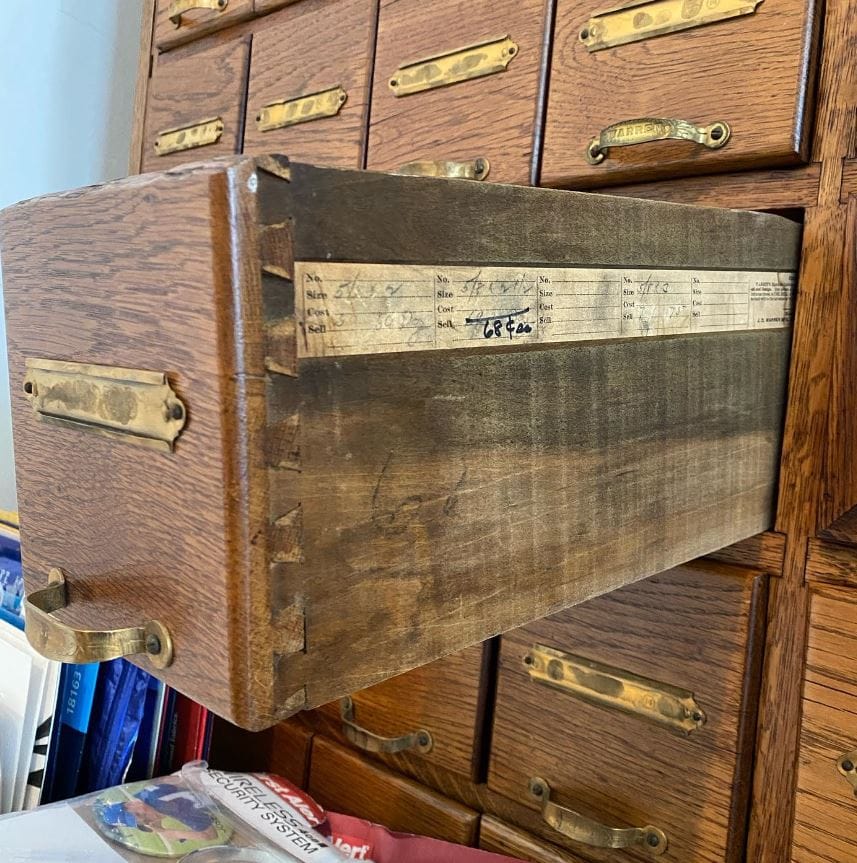
- Consider solid wood, used, or antique furniture—formaldehyde emissions decrease as products age
Pre-Purchase Airing
For new furniture made with pressed wood products, air out items in a ventilated area for several days before bringing them into your home.
Timeline Expectations
Understanding how long formaldehyde emissions persist helps set realistic expectations:
| Timeframe | Emission Level | Recommended Actions |
|---|---|---|
| First week | Highest | Maximum ventilation, use adsorbents |
| First month | High | Continue ventilation, apply treatments |
| 3-6 months | Moderate | Maintain ventilation, monitor odor |
| 6-12 months | Decreasing | Standard ventilation sufficient |
| 1-2 years | Low to background | Normal use |
Research indicates that in enclosed spaces, formaldehyde emissions from composite wood products can continue for 3-15 years, though at progressively lower levels.
When to Seek Professional Help
Consider professional formaldehyde remediation services when:
- Strong chemical odors persist after several months of treatment
- Family members experience persistent health symptoms
- Formaldehyde levels exceed 0.1 ppm (professional testing required)
- Furniture contains extensive uncoated pressed wood surfaces
Professional services typically employ industrial-grade sealants, photocatalytic treatments, and comprehensive testing to verify results.
Key Takeaways
Removing formaldehyde smell from wood furniture requires a multi-faceted approach combining immediate ventilation, active adsorption, and where necessary, specialized treatments. While complete elimination of formaldehyde emissions is impractical for composite wood furniture, significantly reducing concentrations to safe levels is achievable through consistent effort during the initial off-gassing period.
The most effective strategy combines continuous ventilation with activated carbon filtration and targeted surface treatments. For sensitive individuals or those with extensive new furniture, professional remediation may provide the most thorough solution.