Why Do Dogs Lick Bed Sheets? A Comprehensive Guide to Canine Behavior
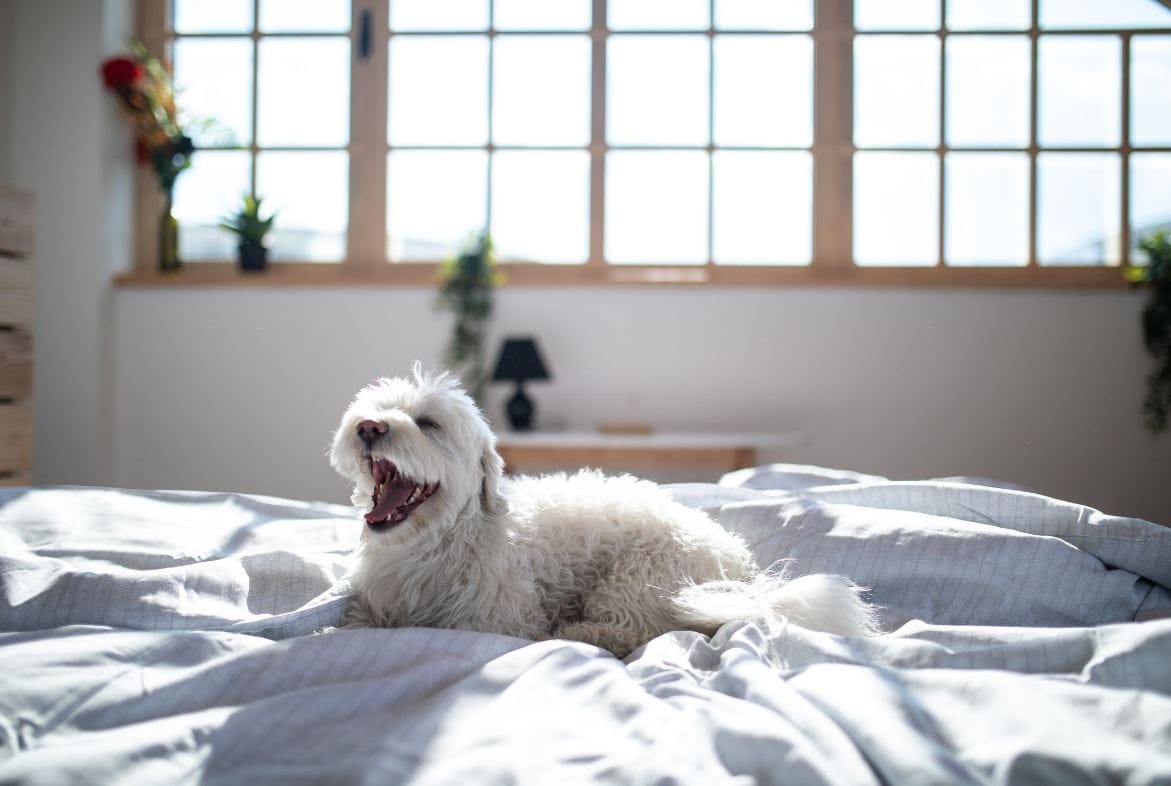
If you’ve ever caught your dog persistently licking your bed sheets, you’re not alone. This behavior, while puzzling and sometimes frustrating, is relatively common among dogs. Understanding the underlying reasons is the first step toward addressing it effectively.
The act of licking bed sheets can range from a normal, self-soothing behavior to a sign of an underlying medical issue. As a pet parent, it’s essential to distinguish between the two.
The Primary Reasons for Bed Sheet Licking
Dogs may lick bed sheets for a variety of reasons, which can be broadly categorized into behavioral and medical causes.
1. Comfort, Security, and Affection
Often, the behavior is rooted in a dog’s innate need for comfort. Bed sheets are saturated with your scent, a scent your dog associates with safety and security. Licking these fabrics can be a way for your dog to feel close to you, especially when you are not in the room . This action can be a calming mechanism, reminiscent of the bonding and grooming they experienced as puppies with their mother .
2. Stress, Anxiety, and Boredom
For some dogs, licking is a coping mechanism for stress or anxiety. The repetitive motion can release endorphins, creating a soothing, pacifier-like effect . This is particularly common in dogs with separation anxiety or after a stressful event . Conversely, a bored dog with pent-up energy may also resort to licking as a way to entertain themselves .
3. Medical and Gastrointestinal (GI) Issues
This is a critical area to consider. Persistent and excessive licking of surfaces, known as “Excessive Licking of Surfaces” (ELS), can be a strong indicator of an underlying health problem .
A significant study published in the Journal of Veterinary Behavior found that a substantial number of dogs displaying ELS had underlying gastrointestinal (GI) disorders . These disorders included conditions like inflammatory bowel disease, chronic pancreatitis, and delayed gastric emptying . The study reported that treating the underlying GI condition often led to a significant improvement or even complete resolution of the licking behavior . Therefore, if your dog is obsessively licking sheets, a veterinary visit to rule out GI issues is essential.
4. Curiosity and Exploration
Dogs use their mouths and tongues to explore the world in ways humans cannot. The texture and taste of fabric can simply be a point of curiosity, allowing them to gather sensory information about their environment .
Behavioral vs. Medical Licking: A Comparative Overview
The following table summarizes the key differences to help you understand the cause of your dog’s behavior.
When to See a Vet
It is crucial to consult your veterinarian, especially if the licking is a new behavior or has become obsessive. A vet can perform a thorough examination to rule out medical issues like gastrointestinal disease, liver disease, dental problems, or other ailments . Early diagnosis is key to effective treatment.
How to Manage the Behavior
The approach to management depends on the underlying cause.
- If Medical: Follow your veterinarian’s treatment plan. This may involve dietary changes, medication, or other therapies to address the diagnosed condition .
- If Behavioral:
- Increase Exercise and Stimulation: Ensure your dog gets enough physical activity and mental enrichment. Puzzle toys, interactive games, and regular walks can alleviate boredom and anxiety .
- Redirection: When you catch your dog licking, interrupt the behavior with a gentle command like “leave it” and redirect them to an appropriate chew toy or activity .
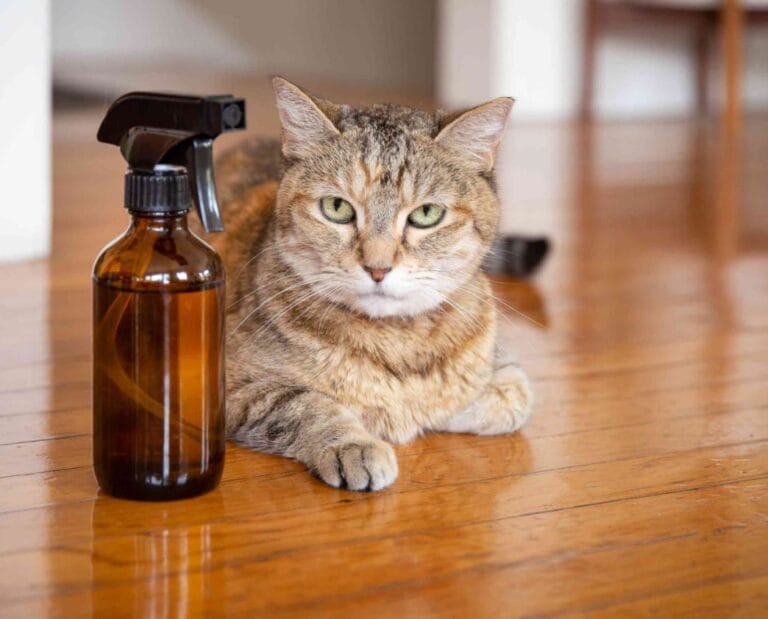
- Manage the Environment: Limit access to the bed or sheets if the behavior becomes problematic, or use a deterrent like a bitter-tasting spray (after consulting your vet to ensure it’s safe).
Understanding the complex interplay between behavioral and physical motivations for why dogs lick bed sheets is essential for any responsible pet owner. By observing your dog’s patterns and seeking professional advice when necessary, you can ensure their well-being and protect your linens.