The Ultimate Guide to Keeping White Bed Sheets Brilliantly White
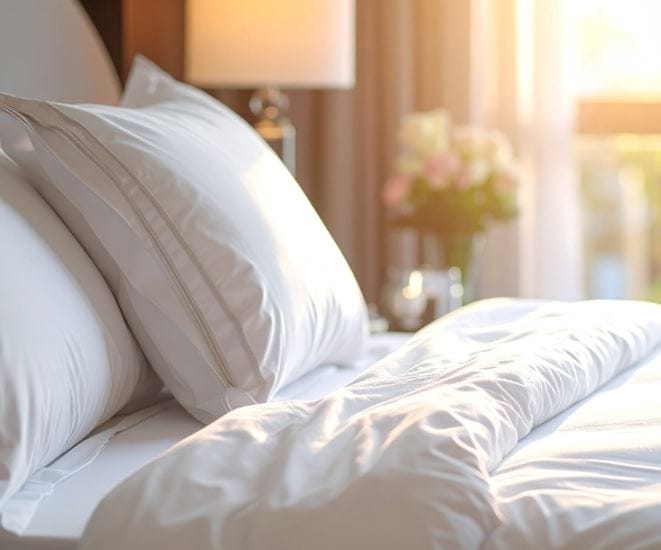
White bed sheets evoke a sense of luxury, cleanliness, and tranquility. However, maintaining that crisp, hotel-quality whiteness can feel like an uphill battle against body oils, sweat, and the gradual dulling effect of time. This comprehensive guide provides the professional strategies, scientific insights, and best practices required to keep your white linens looking pristine.
The Science of Dinginess: Why White Sheets Turn Grey and Yellow
Understanding why sheets lose their brightness is the first step to preventing it. The primary culprits are:
- Body Soil and Proteins: Human skin secretes oils and sweat. The primary residue is protein, which, when subjected to the heat of washing or drying, can bind to cotton fibers and cause a yellowish or greyish tint that is notoriously difficult to reverse .
- Mineral Build-up: Hard water contains calcium and magnesium. Over time, these minerals accumulate in fabric fibers, creating a stiff, dull film that traps dirt.
- Fluorescent Whitening Agent (FWA) Degradation: Manufacturers use FWAs to make fabrics appear “whiter than white.” These agents degrade over time with washing and exposure to light, causing the fabric to revert to its natural, slightly yellow base .
- Incorrect Detergent Use: Using too much detergent leaves a sticky residue that attracts dirt. Conversely, using the wrong type (e.g., one lacking enzymes) fails to break down the bodily oils effectively.
The Washing Process: A Step-by-Step Strategy
1. The Pre-Treatment Ritual
Before even turning on the washing machine, it is crucial to treat heavy soils. For general brightening, a professional approach recommends soaking .
- Oxygen Soak: To lift dinginess before it sets in, soak sheets in a solution of warm water and an oxygen-based whitener (like Vanish or OxiClean). A soak of up to 6 hours can significantly restore brightness .
- Protein Spotting: For specific sweat stains (often visible as a yellowish outline), you can dab the area with a solution of 5% salt water before washing to help break down the protein bonds .
2. Selecting the Right Detergent and Boosters
The choice of detergent is critical. According to industry data, detergents with high “total active matter” have superior cleaning ability, particularly against bodily oils . While premium brands like Tide and Persil are frequently cited as “top tier” for cleaning power, budget-friendly options like Arm & Hammer offer adequate performance for lightly soiled linens .
Table 1: Detergent Selection Criteria
3. The Crucial Wash Cycle: Temperature and Chemistry
The temperature at which you wash your whites is a contentious topic. While domestic hot water (60°C/140°F) is generally sufficient, professional housekeeping standards for hotels often recommend washing whites at 90°C (194°F) to ensure complete sterilization and removal of oils .
However, heat management is key. Avoid “shocking” protein-based soils with rapid heating. Professional launderers recommend starting the wash in lukewarm water (40°C/104°F) with detergent, then gradually increasing the temperature to allow the enzymes to work before the heat sets the stains .
4. Bleach: Oxygen vs. Chlorine
The use of bleach is perhaps the most misunderstood aspect of laundry. Chlorine bleach (sodium hypochlorite) is harsh; it can weaken cotton fibers and, ironically, cause yellowing if not rinsed perfectly .
Table 2: Oxygen vs. Chlorine Bleach
Verdict: For long-term maintenance of bed sheets, oxygen bleach is the preferred choice. It is gentler and addresses the root cause of dullness through oxidation without the harsh side effects of chlorine .
5. Natural Boosters
- Baking Soda & Vinegar: Adding a half cup of baking soda to the wash can help balance pH levels, while a splash of white vinegar in the rinse cycle acts as a natural fabric softener and helps dissolve mineral deposits from hard water .
Post-Wash Care: Drying and Storage
The Sunlight Effect
Sunlight is a natural and highly effective whitening agent. The UV rays help break down the molecular bonds of staining compounds and act as a natural bleaching agent. Hanging white sheets to dry in the sun not only whitens them but also imparts a fresh, airy feel . However, prolonged direct sunlight can also degrade fabric strength over time; moderate drying is recommended.
Storage
Ensure sheets are completely dry before storing to prevent mildew. Store them in a clean, dark cupboard; colored or dark linens should be stored separately to prevent dye migration onto the whites .
Troubleshooting: Fixing Yellowed Sheets
If prevention fails and your sheets have yellowed, try these steps:
- The Vanish Soak: Soak in a warm solution of oxygen-based whitener for up to 6 hours .
- Baking Soda & Toothpaste: A paste of baking soda and toothpaste applied directly to yellowed areas can help lift stains through mild abrasion and alkalinity .
- The Rice Water Bath: Traditional methods suggest soaking sheets in rice water overnight to brighten them, leveraging the mild starch and protein content to lift soils .
- Avoid Heat Setting: Never dry yellowed sheets in a hot dryer, as the heat sets the protein stains permanently .
Summary of Best Practices
- Wash Often: Do not wait until sheets are visibly dirty.
- Pre-Soak: Use oxygen-based boosters for stain prevention.
- Check Detergent: Opt for high-quality detergents or pods with enzymes.
- Warm Not Hot: Adjust temperature based on soil level; avoid instant heat on sweat stains.
- Ditch the Chlorine: Stick to oxygen bleach for long-term whiteness.
- Sun Dry: Leverage the natural power of sunlight.