Is Rust in Your Pool Dangerous? A Comprehensive Guide to Risks, Prevention, and Solutions
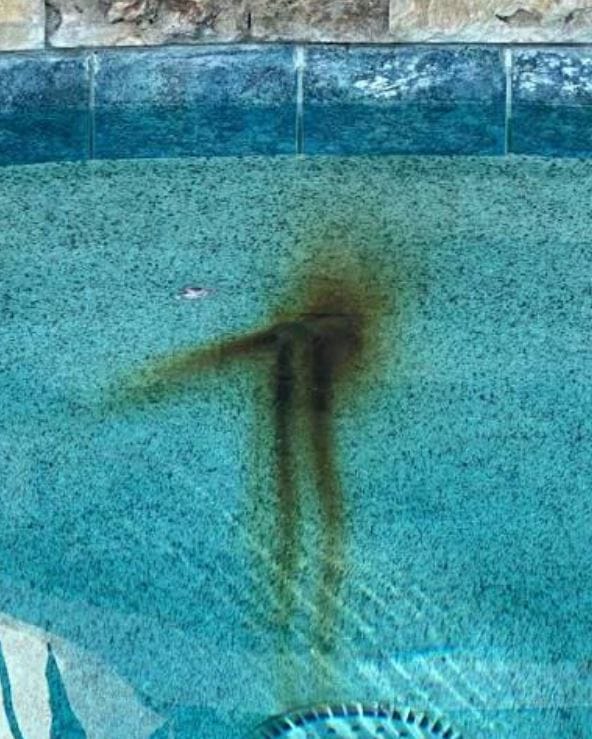
The sight of reddish-brown stains creeping down your pool walls or emanating from your light fixtures is universally alarming for pool owners. The immediate question that arises is rarely about aesthetics; it’s about safety: “Is rust in my pool dangerous?”
The short answer is nuanced. The rust itself—iron oxide—is generally not a toxic health hazard in the minute quantities typically found in pool water. However, the causes of the rust and the secondary consequences can pose significant risks to your health, your pool’s structural integrity, and your filtration system. This article dissects the complex nature of pool rust, distinguishing between myth and legitimate danger.
The Chemistry of Rust: What Exactly Is That Brown Stain?
To understand the danger, you must first understand the substance. Rust is the common name for iron oxide, formed when iron (Fe) reacts with oxygen (O₂) in the presence of water or moisture. In a pool environment, this process is accelerated by chlorinated water and pH imbalances.
- The Stain: The visible brown or reddish discoloration is primarily insoluble ferric oxide (Fe₂O₃).
- The Dissolved Metal: Before it stains, rust often enters the water as dissolved ferrous iron, which is clear but will oxidize and “precipitate” into visible stains when shocked with chlorine.
While ferric oxide is considered biologically inert, treating it as harmless overlooks the real dangers lurking beneath the stain.
The Hidden Dangers: Why Rust Should Be Taken Seriously
The danger of rust in a pool is categorized into three distinct areas: structural integrity, human health (indirect), and mechanical efficiency.
1. Structural Danger: Compromised Integrity
This is the most critical risk. Rust visible on pool walls or fixtures indicates that metal is deteriorating.
- Rebar Corrosion (Concrete/Gunite Pools): The most catastrophic danger is when water penetrates the plaster or shell and reaches the steel rebar skeleton. When rebar rusts, it expands up to 6-7 times its original volume, creating immense internal pressure. This causes the plaster to crack, delaminate (spalling), and can ultimately compromise the structural integrity of the entire pool shell. A stain on the surface might be the only visible symptom of a structural failure happening inside your pool walls.
- Light Niches and Fixtures: Rust around the light ring is common. If the metallic niche housing the light corrodes through, water can flood the electrical conduit, creating a severe electrocution and electrical shock hazard. This is a life-threatening danger requiring immediate professional attention.
2. Human Health: Irritation and Infection Risk
Ingesting rust particles is generally not acutely poisonous. The EPA categorizes dissolved iron as a secondary contaminant, meaning it affects aesthetics but not primary health. However, indirect health risks are real:
- Skin and Hair Irritation: Bathing in water with high dissolved metal content can strip natural oils, leading to brittle, orange-tinted hair (common in blondes) and dry, itchy skin.
- The “Tetanus Myth”: There is a pervasive myth that stepping on a rusty nail underwater causes tetanus. Medically, Clostridium tetani bacteria (which cause tetanus) are found in soil, manure, and dust—not in rust itself. However, a rusty, jagged ladder or a corroded drain cover creates a deep puncture wound environment where bacteria thrive. The rust indicates a dirty, oxidized, and potentially bacteria-harboring crevice.
- Wound Infection: A cut from a rusty metal edge in pool water exposes the wound to opportunistic bacteria like Pseudomonas aeruginosa, which thrives in warm water and can cause severe skin rashes, swimmer’s ear, and difficult-to-treat infections. The rust signals a rough surface that traps biofilms.
3. Mechanical Danger: The Silent System Killer
Rust doesn’t just stick to walls; it cycles through your equipment.
- Filter Damage: Sharp, granular rust particles can damage pump seals, tear filter grids in DE filters, and embed themselves permanently in cartridge filters.
- Staining Escalation: High iron levels in the water will eventually deposit on all plastic surfaces (skimmers, returns, cleaner heads), creating a rough texture that demands expensive replacement.
Comparison of Rust Sources and Risk Levels
To properly assess the danger, you must trace the rust to its source. The following table compares sources, diagnostic signs, and associated risk profiles.
| Rust Source | Diagnostic Sign | Primary Danger Level | Risk Profile |
|---|---|---|---|
| Well/Source Water | Pool turns clear green or brown immediately after filling or adding shock. No localized spot. | Low (Health) / Medium (Aesthetic) | Hair/skin staining. No structural threat. Easily treatable with sequestrants and filtration. |
| Rebar (Pool Shell) | Localized brown stain “weeping” through a crack or pit in the plaster, often with a rust-colored nodule in the center. | Critical | Structural failure. Plaster delamination. Requires draining, chipping out, epoxy injection, and patching. |
| Light Niche/Ladder Cup | Rust staining localized directly below the light ring, ladder bumpers, or handrail sockets. | High | Electrocution/Safety hazard. Corrosion of the metallic niche can expose live wiring to water. Entrapment risk on sharp edges. |
| Loose Metal Object | A distinct, localized rust spot with a definable shape (hairpin, toy, soda can). | Low | Once the object is physically removed, the stain can be spot-treated. No ongoing danger unless it left a sharp edge. |
| Pool Heater (Copper/Heat Exchanger) | Blue-green or black stains (copper), but severe black water or sudden rust flakes indicate internal tank failure. | High | Equipment failure. Indicates a cracked heat exchanger, potentially leaking combustion gases into the water pathway. |
Professional Remediation Strategy: A Step-by-Step Guide
Do not simply shock the pool if you see rust. Chlorine oxidizes metal, making stains worse. Follow this professional protocol:
Step 1: Identify and Eliminate the Source
- Visual Inspection: Run your hand (carefully) over the stain. If there is a pit or bump, it’s likely rebar or a foreign object.
- Object Removal: Remove pool toys, hairpins, or corroded ladders.
- Leak Detection: If rebar is suspected, a dye test near the crack can confirm if water is escaping and cycling through the shell.
Step 2: Water Chemistry Correction (The Crucial First Aid)
Before adding stain removers, balance the water to prevent “plating out” metals.
- pH: 7.2 – 7.4 (Lower pH helps keep metals soluble for removal).
- Alkalinity: 80 – 100 ppm.
- Chlorine: Bring to the lower end of the normal range (1-2 ppm). High chlorine accelerates oxidation of iron.
Step 3: Ascorbic Acid Treatment (The “AA” Cure)
For widespread waterborne rust stains on plaster or vinyl.
- Use Ascorbic Acid (Vitamin C) powder.
- Sprinkle over stains (a tablet in a sock for spot stains).
- The acid converts insoluble ferric oxide into soluble ferrous iron.
- Critical Warning: A chlorine-free period is mandatory. Chlorine levels will crash, requiring a polyquat algaecide to prevent a green pool during the 48-hour treatment.
Step 4: Chelation and Filtration
Once the stains lift, add a high-quality sequestering agent (HEDP-based). This binds the dissolved iron, preventing it from re-staining until the filter catches the microscopic clumps. Run the pump 24/7.
Step 5: Structural Repair
For rebar bleeding, cosmetic stain removers will not work long-term. A plaster repair specialist must chip out the cracked area, clean the rebar, apply a waterproof epoxy barrier, and patch the plaster.
Prevention: Building a Rust-Resistant Pool Environment
| Prevention Strategy | Application | Efficacy |
|---|---|---|
| Metal Sequestrant (Maintenance Dose) | Add a monthly dose of a stain and scale inhibitor containing HEDP or phosphonic acid. | High – Keeps dissolved source water metals in solution. |
| Cathodic Protection (Sacrificial Anode) | Connect a zinc anode to the bonding grid of the pool. The zinc corrodes preferentially to your steel walls or rebar. | High (for saltwater/electrolysis issues) – Protects all bonded metal components. |
| Source Water Filtration | Attach a “pre-filter” to your garden hose when filling from a well. This filters out precipitated iron before it enters the pool. | Moderate – Only removes oxidized iron, not dissolved ferrous iron. |
| Bonding Verification | Ensure all metal parts (lights, ladders, rebar) are properly bonded with copper wire to equalize electrical potential. | Critical (Safety) – Prevents galvanic corrosion and eliminates shock hazards. |
Frequently Asked Questions (FAQ)
Q1: Is it safe to swim in a pool with rust stains?
Generally, yes, swimming is safe from a toxicity standpoint, provided the rust source is not a sharp, jagged piece of metal that could cause a puncture wound. However, if the rust originates from a light fixture, do not enter the water until an electrician has verified there is no stray voltage, as this is an immediate electrocution risk.
Q2: Can I just shock the pool to remove rust?
No. Do not shock a rust-stained pool. Chlorine shock is a potent oxidizer. It will react with the invisible, dissolved iron in the water and cause the entire pool to instantly turn a severe, cloudy brown or green color. Always treat the metal with a sequestrant before shocking.
Q3: Will a magnet remove rust from pool water?
No. Standard magnets cannot attract the microscopic ferric oxide particles dispersed in water because the mass of the particles is too small to overcome water viscosity. You must use a sequestrant to clump them or a filter (sand, DE, or cartridge) to capture them.
Q4: Why does rust keep coming back in the same spot on my plaster?
This is the classic symptom of “rebar rust bleeding.” The steel rebar behind the plaster is actively corroding. Treatment that only addresses the surface stain will wash away, and the rust will re-bleed through the porous plaster. A surgical structural repair of the plaster shell is required.
Q5: Can rust in pool water turn hair green?
Rust (iron) typically turns blonde, white, or gray hair an orange or brassy red color. Green hair is almost always caused by copper, usually from algicides containing copper sulfate or low-pH water leaching copper from a heater’s heat exchanger.
Q6: Does a saltwater pool prevent rust?
No, exactly the opposite. Saltwater pools accelerate metal corrosion through galvanic corrosion (electrolysis). The dissolved salt makes the water highly conductive. If your pool’s sacrificial zinc anode is depleted, the saltwater will aggressively corrode ladders, lights, and nearby metal patio furniture.