How to Detail Your 4×4 Ute After a Muddy Weekend in the Bush
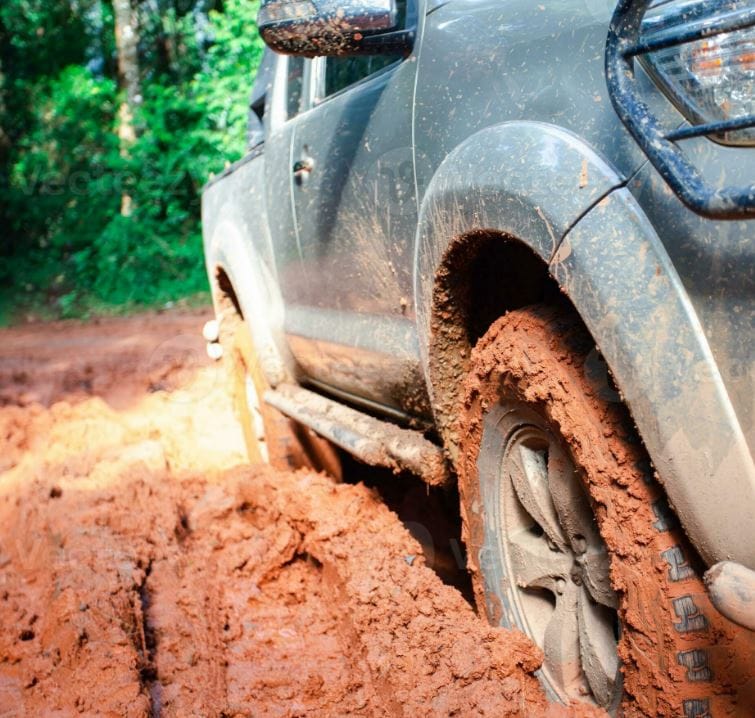
Dual-cab models like the Ford Ranger, Isuzu D-Max, and Toyota HiLux have consistently dominated Australian new-vehicle sales charts lately. The 4×4 ute has truly cemented itself as the country’s favourite vehicle choice, overtaking traditional sedans by a massive margin. We are even seeing plug-in hybrid electric variants, like the BYD Shark 6, capturing a large slice of the off-road market. But whether you drive a classic diesel rig, a screaming V8, or a modern hybrid, taking these capable vehicles off the beaten path is practically mandatory for a proper weekend escape.
From navigating the notoriously deep, clay-heavy mud tracks of Queensland’s Glasshouse Mountains to tackling dense bush trails in the Victorian High Country, a messy weekend is the ultimate sign of a great adventure. Getting bogged to the axles and splashing through creek crossings is half the fun. However, once the weekend is over and you pull back into your suburban driveway, you are faced with a massive cleanup job. Detailing a muddy 4×4 requires quite a bit more effort than a quick stop at your local automated car wash, especially if you want to preserve your paintwork and expensive gear.
Tackling the Exterior and Aftermarket Accessories
Very few off-roaders keep their utility vehicles completely stock. Market analysts consistently note that a significant portion of new ute buyers immediately invest in aftermarket upgrades to prepare for remote weekend camping, touring, and everyday tradie work. For example, installing a heavy-duty canopy dual cab ute significantly increases your vehicle’s surface area and introduces specialized storage compartments. While these additions are fantastic for housing your fridge slide and recovery gear, they demand thorough washing to keep dust, mud, and rust at bay in the long run.
When you are blasting away caked-on clay, water volume is just as crucial as water pressure. Automotive detailing professionals strongly recommend keeping your pressure washer output between 1,200 and 1,900 PSI. This sweet spot safely removes thick mud without compromising your vehicle’s clear coat or tearing up delicate rubber door seals around your cab and tray. To properly flush heavy grit out of your wheel wells, suspension components, and chassis rails, you will want a solid flow rate of 1.4 to 2.0 gallons per minute to carry the heavy dirt away.
Protecting Your Paint and Aluminium Add-Ons
Leaving thick mud on your vehicle is not just an aesthetic issue. According to the Royal Automobile Club of Victoria, washing your vehicle regularly removes contaminants like dirt, grime, and grit that cause paint corrosion over time. If left unchecked, compromised paintwork exposes the vehicle’s body to severe structural rust and significantly lowers its resale value. The longer that acidic mud sits on your panels, the harder it is to remove, and the more damage it does to your clear coat.
To wash your rig safely, you have to choose the right chemicals. Acidic truck washes and high-phosphate soaps should never be used on bare aluminium accessories or custom trays. Repeated exposure to harsh chemicals causes the metal to oxidize rapidly, leaving you with a dull, yellowish finish over time that is incredibly difficult to polish out. Instead, the smartest approach is to use a pH-neutral, heavy-duty cleaning snow foam. Products like the widely used Chemtech CT18 Superwash are fantastic for breaking down stubborn outback red dirt without eating into your expensive aftermarket tray, dog box, and toolboxes.
Conquering the Inner Cab and Floor Mats
Extended remote touring exposes your rig to more than just exterior dirt. Iconic overlanding routes like the Old Telegraph Track in Cape York feature notorious black soil pits, fine bull dust, and constant deep river crossings. This usually translates to a cabin full of mud, wet boots, and heavy soil compaction on your interior floor mats, not to mention the fine dust that manages to coat every single plastic surface inside the car.
Taking care of your cabin requires a focused, methodical approach. If you want to dive deeper into general exterior washing tips, interior vacuuming strategies, or safe upholstery cleaners, exploring dedicated cars detailing guides is an excellent way to elevate your cleanup routine. For your post-bush wash, always remove your rubber mats first and hit them with the pressure washer on the driveway. Once the interior is completely dry, use a stiff detailing brush to loosen any dirt tracked deeply into the carpets before you run the vacuum over it, ensuring you extract every last grain of sand.
A Step-by-Step Post-Bush Wash Routine
To make your off-road cleanup as effective as possible, try sticking to this proven detailing checklist:
- Pre-rinse the undercarriage: Spend a solid ten minutes just flushing out the chassis, suspension components, and wheel arches where dirt naturally compacts. Pay special attention to the bash plates.
- Apply a snow foam: Cover the entire exterior in a thick layer of pH-neutral snow foam. Let it dwell for a few minutes to lift and encapsulate the grit, pulling it safely away from the paint.
- Hand wash safely: Use a microfiber wash mitt and two separate buckets (one with soap, one with clean water for rinsing) to prevent dragging sharp dirt across your clear coat.
- Treat the raw aluminium: After towel-drying unpainted, mill-finish aluminium sections, apply a specialized stainless steel surface cleaner. This provides an invisible protective layer that repels future stains and prevents hard water spots from baking in the sun.
- Refresh the plastics: Wipe down your interior dash, door cards, and exterior fender flares with a dedicated UV protectant to fight off the fading effects of the harsh Australian sun.
Cleaning up after a weekend in the bush is undeniably a big job, but it is an essential part of responsible 4×4 ownership. By using the right water pressure, selecting safe chemicals, and taking the time to properly protect your accessories, your tough utility vehicle will stay looking sharp, running beautifully, and always be ready for the next great off-road adventure.