The Invisible Settling: Does Vaping Leave a Residue on Walls?
Introduction
The shift from combustible cigarettes to electronic nicotine delivery systems (ENDS), commonly known as vapes, has moved the act of smoking indoors for millions of users. The perceived “cleanliness” of vapor—lacking the acrid, lingering smell of tar and carbon monoxide—often leads users to believe the aerosol dissipates harmlessly into the air. However, the physics of aerosol science tells a different story.
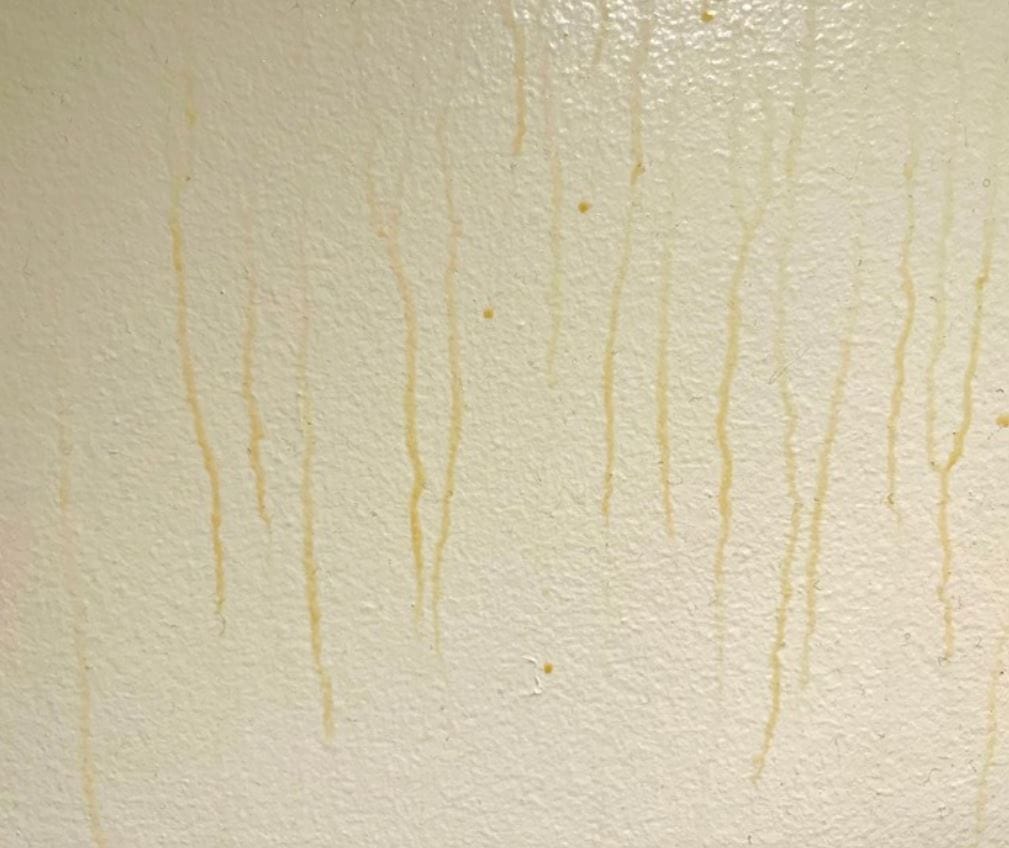
The question “Does vaping leave a residue on walls?” yields a definitive answer: Yes, but the chemical nature, visibility, and long-term damage differ significantly from traditional smoke. Vaping produces an aerosol, not a harmless water vapor, and the laws of thermodynamics dictate that suspended particles will eventually settle on surfaces. This article breaks down the chemistry of that residue, its visual and structural impact, and how it compares to legacy tobacco smoke.
The Chemistry of Cloud: Aerosol vs. Gas
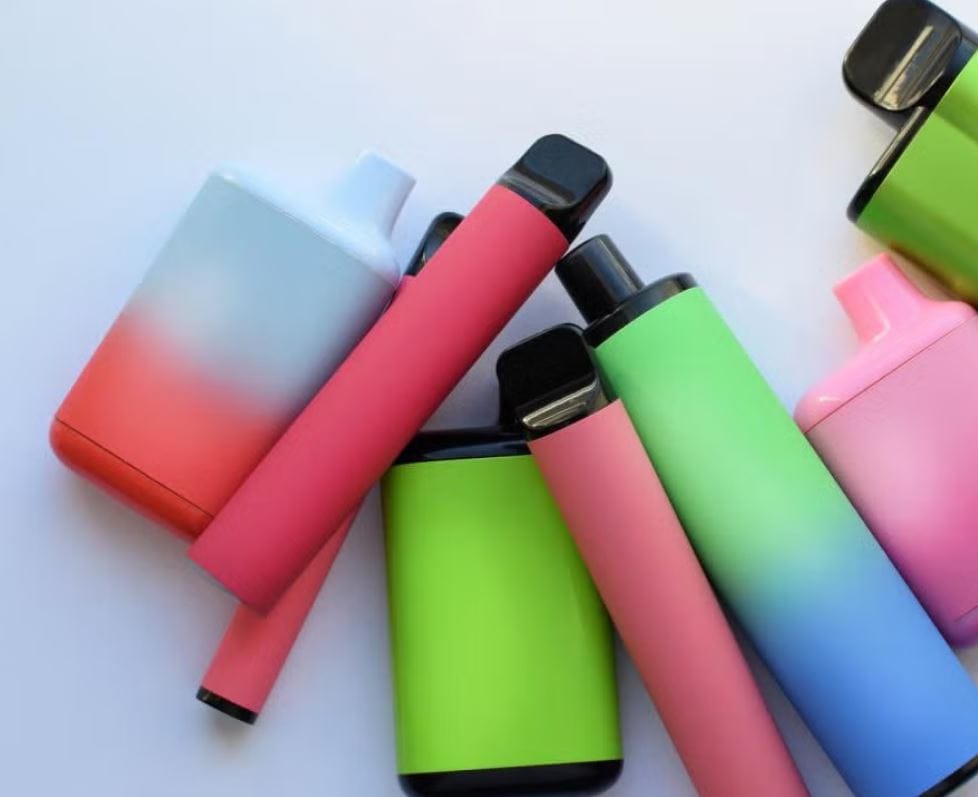
To understand wall residue, one must first discard the term “vapor” in its scientific sense. In physics, a vapor is a gaseous phase of a substance. What exits a vape device is technically an aerosol—a suspension of fine liquid droplets and solid particles in a gas. These droplets are composed of:
- Propylene Glycol (PG): A hygroscopic (water-attracting) synthetic liquid compound.
- Vegetable Glycerin (VG): A thicker, sweeter liquid that produces dense clouds.
- Nicotine: The addictive alkaloid.
- Flavoring Compounds: Often food-grade aldehydes and esters.
- Thermal Degradation Byproducts: Formaldehyde and acetaldehyde hemiacetals (produced during coil heating).
When a user exhales a cloud, the temperature of the aerosol drops. The semi-volatile compounds transition from a droplet phase to a gas phase (volatilization), while the non-volatile mass of the VG/PG base begins to coalesce and settle via gravity.
The Hygroscopic Factor
PG and VG are humectants. Unlike dry tar, which binds to surfaces through simple adhesion, vape residue actively draws moisture from the ambient air. This creates a sticky, oily film rather than a dry, brittle stain. This hygroscopic nature is the primary driver of long-term wall damage, as it creates a micro-environment ripe for chemical reactions on the paint surface.
Comparative Analysis: Vape Residue vs. Cigarette Smoke Residue
The distinction between “Thirdhand Smoke” (THS) from cigarettes and “Thirdhand Vapor” (THV) is critical for property owners. While cigarette residue is a dense, acidic, particulate-heavy tar, vape residue is an oily, alkaline-leaning, low-particulate film.
Table 1: Residue Characteristics Comparison
| Characteristic | Traditional Cigarette Smoke | Electronic Cigarette Aerosol |
|---|---|---|
| Primary Composition | Tar, carbon char, ash, polycyclic aromatic hydrocarbons (PAHs). | Propylene Glycol (PG), Vegetable Glycerin (VG), flavorants. |
| Physical State | Dry, sticky, highly viscous semi-solid tar. | Oily, slick, hygroscopic (moisture-attracting) film. |
| Color | Yellow to brown (ambering effect) due to iodine reactions and tar oxidation. | Clear to pale yellow. Often invisible unless dust is trapped. |
| Odor Retention | High. Off-gassing of volatile organic compounds (VOCs) lasts years. | Low to moderate. Odor fades faster but can resurface in high humidity. |
| Penetration | Deeply penetrates porous surfaces (drywall, fabric fibers). | Surface-level film. Primarily occludes pores rather than penetrating due to high surface tension. |
| pH Level | Acidic (pH 5–6), contributing to material erosion over decades. | Near neutral to slightly basic, less corrosive to paint binders. |
Mechanisms of Wall Deposition
Vape residue doesn’t stain walls the way smoke does through “wicking” into microscopic crevices instantly. Instead, it operates through three distinct physical processes:
1. Thermophoresis and Proximity
Temperature gradients drive particles toward cooler surfaces. The warm exhaled cloud naturally migrates toward the cooler exterior walls of a room, especially windows and poorly insulated drywall. This is why residue buildup is often heaviest near standing/sitting zones and directly above head height on surrounding walls.
2. Coagulation and Settling
In high-volume cloud production (sub-ohm vaping), the aerosol particle density is so high that the droplets collide and combine (coagulate), becoming heavy enough to settle on horizontal surfaces—desks, screens, and flooring—before migrating to vertical walls via convection currents.
3. The “Moth Effect” (Photophoresis)
There is growing evidence in aerosol science that strongly concentrated aerosols can be repelled or attracted to light sources due to photophoretic forces. Rooms with bright natural light may see increased particle wall deposition due to thermal radiation absorption by the droplets.
The Deterioration of Interior Surfaces
The long-term structural impact of vaping indoors is a subject of ongoing material science research, but early indicators point to specific chemical incompatibilities with modern paints.
The Paint Softening Phenomenon
Standard latex (water-based) paint is a polymer matrix. When hygroscopic VG/PG film coats this matrix, it acts as a permanent plasticizer and humectant. The film draws atmospheric moisture, which gradually diffuses into the latex binder. This causes the paint to swell, soften, and lose mechanical scrub resistance.
Silicone Ghosting (Surfactant Leaching)
Modern low-VOC paints often contain glycol ethers as coalescing aids. When external PG/VG residue lands on these surfaces, it can trigger “surfactant leaching”—a reaction that draws the internal paint chemicals to the surface, creating glossy, streaky “ghost” marks that cannot be scrubbed away without damaging the paint film.
Electronics and Metallic Surfaces
The residue is particularly detrimental to electronics. The VG film is non-conductive but extremely “tacky.” It traps standard household dust, creating a thermal blanket over heat sinks and PCB boards. Additionally, PG is a mild solvent; over time, it can degrade the rubberized soft-touch coatings found on modern monitors, mice, and keyboards.
Health Implications: The “Thirdhand Vapor” Reality
While not the primary focus of aesthetic damage, the residue on walls is a vector for “Thirdhand Vapor” (THV) exposure. Studies, including those from Lawrence Berkeley National Laboratory, indicate that nicotine deposited on surfaces can react with ambient nitrous acid (from gas stoves or car exhaust infiltrating a home) to form Tobacco-Specific Nitrosamines (TSNAs) , which are potent carcinogens.
The sticky PG/VG matrix acts as a delivery mechanism, trapping not just flavorants but also toxic metal particulates (chromium, nickel, lead) released from the heating coil. These particles remain on the wall film until disturbed by touch or off-gassing during temperature spikes.
Cleaning and Remediation Protocols
Removing vape residue requires a chemical approach targeting oil-based films, unlike the alkaline cleaners used for acidic tar.
Table 2: Remediation Strategy
| Residue Type | Recommended Solvent | Cleaning Methodology | DIY Formula |
|---|---|---|---|
| Light Film (Glass) | Isopropyl Alcohol (70%+) | Microfiber wipe. Straight-line wiping, no circles. | 50/50 Rubbing Alcohol + Distilled Water. |
| Heavy Oily Film (Walls) | Trisodium Phosphate (TSP) Substitute | Sponge application, dwell time of 2 minutes, rinse with clear water. | 1/4 cup TSP per gallon of warm water. |
| Electronic Screens | Distilled Water / Mild Dish Soap | Spray onto cloth, never the screen. Gentle pressure to avoid surfactant smearing. | One drop of Dawn in 16 oz of distilled water. |
| HVAC & Air Quality | HEPA Filtration | Deploy air scrubbers with activated carbon pre-filters to capture off-gassing during remediation. | Replace central air filters with MERV 13+ rated pleated filters. |
Critical Warning: Do not use aggressive alcohol-based cleaners on flat latex paint. The alcohol will dissolve the binder resin, leaving a permanent shiny “burn” mark that is worse than the residue itself. Always test in an inconspicuous area.
Conclusion: The Verdict for Property Owners
Vaping does leave a residue on walls. It is a clear, slick, oily film that acts as a dust magnet and a plasticizer for latex paint. While it lacks the immediate repulsive visual of cigarette tar, its insidious nature—being invisible until significant dust accumulation occurs—makes it dangerous for electronics and potentially reactive with indoor air chemistry.
For property managers and homeowners, enforcing strict indoor vaping bans is not merely a matter of preference but of asset preservation. The cost of deep cleaning and repainting vapor-exposed rooms is not negligible, involving oil-based stain-blocking primers (such as shellac or alkyd) to seal the hygroscopic film before cosmetic repainting can begin. The evidence is clear: the cloud eventually becomes a coating.