Can I Use Paper Towel as Gauze? A Comprehensive Clinical and Practical Analysis
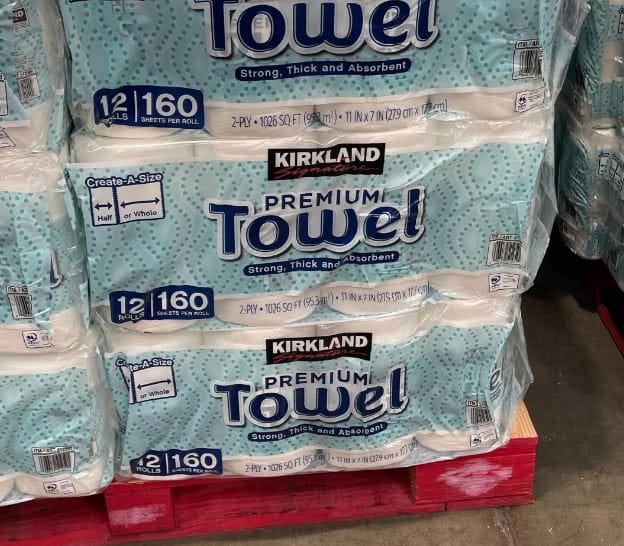
The question of whether a household paper towel can substitute for medical gauze is a common one, arising in moments of minor emergencies or when supplies are low. The short answer is no—paper towel should not be used as a substitute for sterile gauze in wound care. While a 1917 experiment suggested sterilized paper could serve as a surgical dressing, modern wound care science has established clear, evidence-based standards that household paper products simply cannot meet. This article provides a detailed, clinically-focused analysis of why this substitution is dangerous and offers practical guidance for proper wound care.
The Critical Distinction: Sterility vs. Cleanliness
The most fundamental difference between gauze and paper towel lies in sterility. Medical gauze is manufactured, packaged, and sterilized to meet strict standards, ensuring it is free from all microorganisms, including bacterial spores . This sterility is crucial for preventing infection in an open wound.
Paper towels, conversely, are not sterile. They are produced for general household use and are exposed to various contaminants during manufacturing, packaging, and storage. Even if a paper towel appears clean, it can harbor bacteria, mold spores, and other pathogens. Using it on a wound introduces these contaminants directly into a vulnerable area, significantly increasing the risk of infection.
Key Clinical Fact: While disinfectants like iodine and alcohol can kill many pathogens, they do not eliminate bacterial spores. If a non-sterile item like a paper towel carries spores, the disinfectant will be ineffective against them, potentially contaminating the wound and the disinfectant itself .
Functional Failures of Paper Towel in Wound Care
Beyond sterility, paper towels lack the essential physical properties that make gauze an effective wound dressing. A study on advanced wound dressings highlights that ideal materials must manage exudate, allow for air permeability, and maintain a moist wound environment without causing maceration . Paper towel fails on several critical fronts:
- Poor Absorbency and Exudate Management: Medical gauze is designed to absorb wound exudate (fluid) effectively. Paper towels have limited absorbency and can quickly become saturated. Worse, they can break down when wet, leaving lint and fibers embedded in the wound. This debris acts as a foreign body, promoting inflammation and infection .
- Risk of Adhesion and Trauma: When a paper towel dries on a wound, it can adhere to the delicate new tissue (granulation tissue) forming at the wound bed. Removing it can tear away this new tissue and re-open the wound, causing pain and delaying healing. Gauze, especially non-adherent types, is designed to minimize this trauma.
- Lack of Antimicrobial Properties: Unlike some advanced dressings that contain silver or honey, paper towels offer no inherent protection against bacteria. They can actually become a breeding ground for microbes once moistened with wound fluid .
- Unknown Chemical Composition: Paper towels often contain dyes, inks, fragrances, and binders. These chemicals can cause allergic reactions, irritation, or further tissue damage when in contact with an open wound.
Historical Context vs. Modern Evidence
It is interesting to note that historical texts from 1917 discuss using sterilized newspapers and paper towels as surgical dressings to save costs . However, this practice was born of wartime necessity and a lack of better options. Modern medical knowledge has evolved significantly. Research comparing gauze to other advanced dressings shows that while gauze is not the “optimal” dressing for all wounds, it is a proven, effective, and cost-efficient tool . A study published in Archives of Surgery found that gauze dressings were actually more cost-effective and healed postoperative wounds faster than some occlusive (moist) dressings, demonstrating their established clinical utility .
The 1917 experiment proves that paper can be sterilized, but it does not prove that household paper towels are sterile, nor does it address the functional deficiencies that are now well-understood.
Clinical and Practical Comparison
The following table summarizes the critical differences between a medical gauze pad and a household paper towel for wound care applications.
The Only Exception: Emergencies
In a true medical emergency where there is severe, life-threatening bleeding and no other materials are available, using a paper towel to apply direct pressure may be a last resort. However, this should be seen as an interim measure to control bleeding while waiting for professional medical help. It is not a form of definitive wound care. Even then, a clean cloth would be a far better option.
Conclusion: A Clear Recommendation
Do not use paper towel as a substitute for medical gauze. The risks of infection, tissue damage, and delayed healing are simply too high. While one historical experiment from over a century ago suggested its potential, it is now unequivocally contraindicated by modern clinical standards and evidence .
For minor cuts and abrasions, the recommended protocol is straightforward:
- Clean: Gently clean the wound with mild soap and water.
- Stop Bleeding: Apply direct pressure with a sterile gauze pad or a clean cloth.
- Protect: Once bleeding stops, apply a sterile adhesive bandage or gauze pad secured with medical tape.
- Change: Change the dressing regularly to keep the wound clean and monitor for signs of infection.
For more serious wounds, always seek professional medical attention. The proper use of sterile, fit-for-purpose materials is a cornerstone of effective wound care and a critical factor in preventing complications. A $0.10 gauze pad is a small investment to make for the integrity of your health.