Lawn Care for a Cleaner, Healthier Home
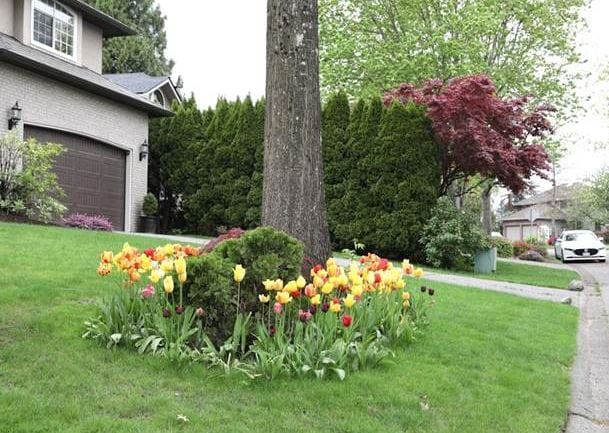
A clean home rarely stops at the front door. The same eye that spots a smudge on a window or a streak on the floor tends to notice a patchy, weed-filled yard the moment you pull into the driveway. Curb appeal sets the tone for everything inside.
Alt text: Green suburban front lawn beside a tidy house in morning light
Plenty of homeowners try kitchen shortcuts on the grass, and a few of those backfire fast. Dish soap, vinegar, and salt can scorch a lawn in days. A steadier plan works far better, and the team at weedpro.com has spent years turning tired yards into the green space that matches a spotless living room. The two jobs that carry most of that weight are weed control and feeding the grass.
Why a Healthy Lawn Starts With the Soil
Grass grows on what sits beneath it. Compacted, thirsty soil produces thin turf that weeds invade fast. Good soil holds water, feeds roots, and crowds out weeds before they take hold.
Most lawns need about 1 inch of water each week, including rainfall. Watering deeply twice a week beats a light daily sprinkle, since shallow water trains roots to stay near the surface. Deep roots survive heat far better.
Aeration helps too. Pulling small plugs of soil 2 or 3 times a year lets air and water reach the root zone. A simple soil test, often under 20 dollars through a local lab, shows exactly what your yard lacks. Skip the kitchen fixes here, since mixing borax and vinegar does nothing for tired soil and can leave residue behind.
Three soil habits do most of the work:
- Test the soil once a year to track pH and nutrients.
- Water deeply and less often to push roots down.
- Aerate in spring or fall to ease compaction.
Controlling Weeds Without Wrecking the Grass
Weeds are the loudest sign of a neglected yard. They spread through bare spots, thin turf, and poor soil, so a thick lawn is the best defense you can build. Dense grass simply leaves no room for them to sprout.
Timing beats brute force. A pre-emergent treatment in early spring stops crabgrass before it germinates, while spot treatment handles stray dandelions later. A reliable seasonal lawn-care calendar keeps that rhythm on track, and following it cuts weed pressure sharply over 2 to 3 seasons.
Resist the urge to drench the whole yard in product. Targeted treatment protects pollinators, pets, and the grass itself. The same caution applies to yard pests, since home tricks like bleach on wasps tend to create new hazards. A professional crew reads the yard, picks the right product, and treats only the zones that need it.
A simple weed plan tracks the calendar more than the bottle:
- Spring: apply a pre-emergent before soil hits 55 degrees.
- Summer: spot-treat broadleaf weeds as they appear.
- Fall: treat winter annuals before they set seed.
Feeding the Lawn for Thick, Weed-Resistant Turf
Weed control and feeding work as a pair. A well-fed lawn grows dense enough to shade out weed seeds, so each pound of fertiliser does double duty. Starve the grass and the weeds win by default.

Photo by Ruslan Sikunov on Unsplash
Alt text: Close up of green grass blades dusted with lawn fertiliser granules
Rates matter more than guesswork. Most lawns want about 1 pound of nitrogen per 1,000 square feet per feeding, with the bulk applied in fall and spring for cool-season grass. The Carolina Lawns guide from NC State Extension lays out those nitrogen amounts and timing by grass type. A soil test every 2 to 3 years keeps the program honest.
Spread the food evenly and water it in. Patchy spreading leaves dark green stripes and hungry gaps, and a clogged spreader drops too much in one spot. A pro calibrates the spreader, splits the year into 3 or 4 timed feedings, and matches the blend to your soil report.
Keep these feeding rules in mind:
- Feed by the numbers, around 1 pound of nitrogen per 1,000 square feet.
- Time it right, with most of the food applied in fall and spring.
- Water it in so the granules reach the roots, not the air.
How Lawn Care Fits a Clean-Home Routine
A tidy yard runs on the same logic as a clean house: small, regular tasks beat one frantic rescue. Skipping upkeep for a month means hours of catch-up work, whether the mess is inside or out. Steady attention keeps both manageable. A neglected lawn also drags down the look of an otherwise spotless property, so the two routines really do work as a pair.
That is why many busy households hand the grass to a service, just as they trust pros for deep cleaning. Weed Pro is a family-owned company with more than 25 years of experience, and seasonal treatment plans take the guesswork off your weekend. Your time stays free for the parts of home life you actually enjoy.
A few habits keep indoor and outdoor upkeep in sync:
- Set a schedule so yard treatments and cleaning land on the same week.
- Track the seasons since both the home and the yard shift needs by month.
- Call in help for the heavy jobs, indoors or out, before they pile up.
The payoff is a home that reads as cared for from the curb to the kitchen. A green, weed-free lawn signals the same pride of place that a polished interior does. Both reward the people who keep them steady rather than scrambling at the last minute.
Frequently Asked Questions
How Often Should I Water My Lawn?
Most lawns need about 1 inch of water per week, counting any rain. Water deeply 2 times a week rather than a little each day, which trains roots to grow down. Early morning is the best window, since less water evaporates before 9 a.m. Cut back in cooler months when the grass slows its growth.
When Should I Apply Pre-Emergent for Weeds?
Apply a pre-emergent in early spring, before soil temperatures reach about 55 degrees. That timing stops crabgrass seeds before they sprout. A fall round then blocks winter annual weeds. Spot-treat any broadleaf weeds that slip through during summer rather than spraying the whole yard.
Can Household Products Kill My Grass?
Yes. Dish soap, vinegar, and salt can burn turf within a few days, leaving bare patches that weeds quickly fill. These shortcuts may clear a single weed, yet they harm the soil around it. A targeted weed product protects the rest of the lawn while solving the problem.
When Should I Call a Lawn Care Professional?
Call when weeds keep returning, bare spots spread, or your schedule leaves no time for steady upkeep. A pro reads the soil, times each treatment, and applies the right amount in the right zone. That saves money over a year of trial and error. Most plans run on a simple seasonal schedule you can set and forget.