6 Ways to Increase Natural Light at Home
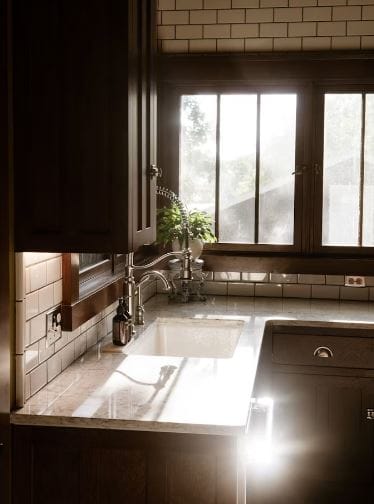
Daylight is one of the most transformative elements in interior design, making spaces feel larger, cleaner, and more welcoming. Beyond aesthetics, sunlight has a profound impact on well-being. Research published has shown that incorporating natural light into living spaces can reduce stress and increase comfort. Despite these benefits, many homes suffer from dreary interiors due to architectural limitations or poor decor choices. If you want to brighten your living space, here are six effective ways to maximize natural light at home.
Upgrade to Multi-Directional Windows
The architecture of your windows plays the most significant role in how much daylight enters your home. Standard flat windows only capture light from a single direction, limiting illumination to specific times. To counter this, consider upgrading your structural glass. Installing uPVC bay and corner windows is an exceptional way to flood a room with sunshine. Bay windows protrude outward, creating a three-dimensional glass structure that catches sunlight from multiple angles. Corner windows wrap around the edge of a building, eliminating dark corners and offering panoramic views alongside unparalleled light entry. While expanding your glass surfaces might raise concerns about insulation, modern engineering offers an easy fix.
Leverage Mirrors and Reflective Surfaces
You do not always need structural changes to improve interior brightness; you can also optimize how light behaves once it enters a room. Mirrors act as passive amplifiers for ambient light. By strategically placing a large mirror opposite or adjacent to a window, you can catch incoming rays and bounce them deeper into darker areas. Additionally, consider the finishes of your furniture and fixtures. High-gloss kitchen cabinets, metallic decorative pieces, glass tabletops, and glossy ceramic tiles all serve as reflective planes that scatter light. Even paint finishes matter; opting for satin or semi-gloss finishes on trims and ceilings reflects significantly more light than flat, matte alternatives.
Choose a Light and Bright Color Palette
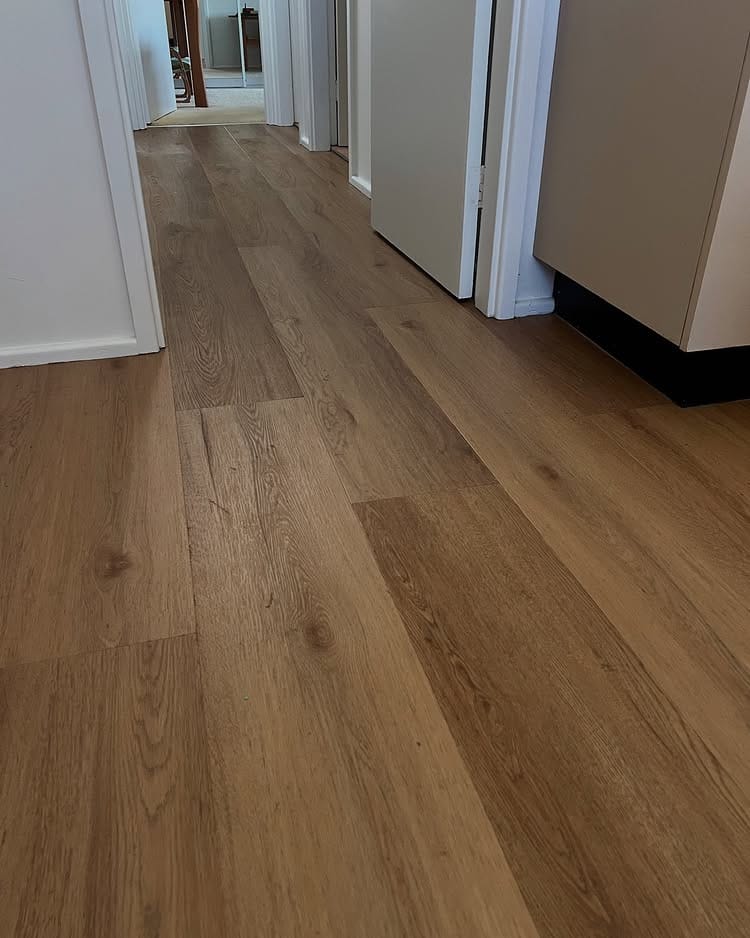
The colors of your walls, floors, and ceilings have a major impact on light absorption. Dark colors absorb light, while light colors reflect it into the living space. If your rooms feel dim, it is time to rethink your color scheme. Painting walls and ceilings in shades of white, cream, soft beige, or light grey will instantly make the space feel more open and luminous. For the best results, paint your ceiling a shade lighter than your walls to create an illusion of height. When it comes to flooring, light-colored wooden planks, pale carpets, or neutral tiling can dramatically increase overall brightness, preventing floors from absorbing natural light.
Opt for Sheer Window Treatments
Heavy, dark curtains and thick fabric drapes can choke out natural light even when pulled open. Often, bulky window treatments block the outer edges of the window pane, reducing the total surface area available for sunlight. To maximize daytime illumination, switch to sheer fabrics or lightweight linens. Sheer curtains offer a perfect balance, providing privacy while allowing soft, diffused daylight to permeate the room. Alternatively, install blinds or shades that can be completely rolled up or stacked tightly at the top of the frame, ensuring the entire glass area remains fully exposed during peak daylight hours.
Rearrange Furniture and Prune Obstacles
Sometimes, the obstacles preventing light from entering your home are entirely within your control. Take a walk around your living spaces and evaluate your furniture layout. Large bookshelves, tall wardrobes, or high-backed sofas placed right next to windows can cast massive shadows and block the natural flow of light. Keep pathways around windows clear and opt for low-profile furniture instead. Furthermore, remember to look outside. Overgrown trees, unruly bushes, and climbing vines right outside your windows can severely restrict the amount of sunlight that reaches the glass panes. Regular pruning of your garden and trimming back branches will clear the path for a sunlit interior.
Install Skylights or Roof Lanterns
For rooms located in the center of the house or areas without external walls—such as hallways, bathrooms, or walk-in closets—traditional windows are not an option. In these scenarios, looking upward provides the best solution. Skylights and roof lanterns can introduce up to three times more light than a standard vertical window of the same size. Because they face directly upward, they capture consistent light throughout the day, completely transforming gloomy spaces. If a full skylight is not architecturally feasible due to roof constraints, solar tubes offer a compact alternative, using highly reflective piping to channel sunlight from the roof down into internal ceilings.
Enhancing natural light in your home is one of the most rewarding improvements you can make. From small adjustments like strategic mirror placement and lighter paint colors to structural upgrades like installing advanced window configurations, every step helps create a more vibrant environment. Start implementing these strategies today to transform your home into a bright, welcoming sanctuary.