Does Sevin Kill Aphids? A Comprehensive Technical Analysis
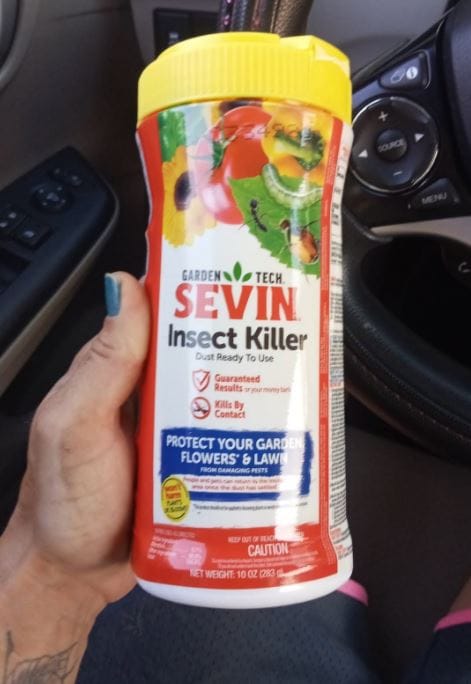
Aphids represent one of the most persistent and economically significant pests in horticulture and agriculture worldwide. For gardeners and crop producers facing these sap-sucking insects, Sevin (carbaryl) frequently emerges as a recommended control option. This article provides a detailed, evidence-based examination of Sevin’s efficacy against aphids, its mechanisms of action, product formulations, and critical considerations for successful use.
The Short Answer
Yes, Sevin effectively kills aphids. It is a broad-spectrum insecticide that kills aphids on contact, with visible results often appearing within minutes of application . However, the relationship between Sevin and aphid populations is more complex than a simple “kill” response, involving considerations of resurgence, application timing, and formulation selection.
Understanding the Active Ingredient: Carbaryl
Sevin’s active ingredient is carbaryl, a carbamate insecticide. It functions by inhibiting acetylcholinesterase, an enzyme essential for proper nerve function in insects . This mode of action disrupts nerve impulse transmission, leading to rapid paralysis and death of susceptible insects.
Spectrum of Activity
The effectiveness of Sevin products against aphids is well-documented. Multiple product registrations list various aphid species as target pests, including:
| Aphid Species Controlled by Sevin | Scientific Name |
|---|---|
| Apple Aphid | Aphis pomi |
| Balsam Twig Aphid | Mindarus abietinus |
| Black Cherry Aphid | Myzus cerasi |
| Blackmargined Aphid | Monellia caryella |
| Elm Leaf Aphid | Tinocallis ulmifolii |
| European Raspberry Aphid | Amphorophora idaei |
| Filbert Aphid | Myzocallis coryli |
| Mealy Plum Aphid | Hyalopterus pruni |
| Rose Aphid | Macrosiphum rosae |
| Rosy Apple Aphid | Dysaphis plantaginea |
| Woolly Apple Aphid | Eriosoma lanigerum |
| Woolly Gall Aphid | Eriosoma species |
Based on comprehensive product label data .
Product Formulations and Aphid Control
Sevin is available in several formulations, each with specific application characteristics and efficacy profiles against aphids.
Comparison of Sevin Formulations for Aphid Control
Liquid products generally provide superior coverage for aphid control because they can be sprayed directly onto undersides of leaves where aphids typically feed. Dust formulations can be effective but require careful application to achieve thorough coverage .
The Resurgence Phenomenon: A Critical Consideration
A significant finding in scientific literature concerns Sevin’s potential to induce aphid resurgence. Research on filbert aphid populations demonstrated that while carbaryl applications initially reduce aphid numbers, significant population rebounds can occur .
Key Research Findings
- Initial reduction followed by resurgence: Field applications of carbaryl resulted in initial population reductions, but significant resurgences occurred on treated trees. In some orchards, aphid populations rebounded to levels above those on untreated trees .
- Not solely predator mortality: The resurgence phenomenon could not be attributed exclusively to the elimination of natural enemies. Other insecticides showed similar toxicity to aphidophagous predators but did not produce the same resurgence effect .
- Hormesis effect: Laboratory tests revealed that aphids exposed to sublethal residues of carbaryl (0.0012 g AI/L) produced significantly greater numbers of offspring than untreated aphids . This phenomenon, known as hormesis, suggests that low-level exposure may actually stimulate reproductive output.
Field Study Evidence
A 2021 field efficacy study further illustrates the complex performance of carbaryl against aphids:
| Treatment | Rate/acre | Aphids per Sample: 3 DAT | Aphids per Sample: 11 DAT | Aphids per Sample: 17 DAT |
|---|---|---|---|---|
| Untreated Control | — | 6.3 | 27.0 | 21.5 |
| Carbaryl 4L | 24.0 fl oz | 8.0 | 11.3 | 31.0 |
This data reveals that while carbaryl shows some initial suppression, populations can ultimately exceed untreated levels by day 17. The study noted that carbaryl 4L performed less effectively than several alternative treatments, including dimethoate and Warrior II .
Practical Application Guidelines
Optimal Timing
For maximum efficacy against aphids:
- Apply at first signs of infestation: Early intervention prevents population establishment
- Target undersides of leaves: Aphids typically feed on the lower leaf surface
- Avoid open blooms: Products warn against spraying open blooms to protect pollinating insects
Application Best Practices
- Coverage: Apply sufficient product to thoroughly wet/dust all plant surfaces where aphids are present
- Watering interval: Wait at least 24 hours before watering treated areas
- Reapplication: Monitor for reinfestation; resurgence may require additional treatment
Environmental and Safety Considerations
- People and pets: May return to treated areas once spray has dried or dust has settled
- Plant safety: Sevin is generally considered safe for listed ornamental and edible plants when used according to label directions
- Broad-spectrum effects: As a non-selective insecticide, Sevin will also affect beneficial insects, including natural aphid predators
Alternative Approaches and Integrated Management
Given the documented resurgence potential, integrated pest management (IPM) strategies merit consideration:
The emergence of resurgence as a documented phenomenon suggests that Sevin should be viewed as one tool in a broader management strategy rather than a standalone solution for aphid control.
Conclusion
Sevin (carbaryl) does indeed kill aphids and is listed on product labels for control of numerous aphid species. It provides rapid contact activity with visible results within minutes . However, the scientific evidence reveals a more nuanced picture: while initial applications reduce aphid populations, significant resurgence can occur, sometimes resulting in populations exceeding untreated levels .
This resurgence appears linked to both natural enemy mortality and a hormetic effect where sublethal exposure stimulates aphid reproduction. For gardeners and growers, this means that while Sevin can be an effective tool against aphids, its use should be integrated with monitoring, alternative products, and biological control strategies to achieve sustainable pest management outcomes. Following product label instructions precisely and applying at the first sign of infestation are essential practices for maximizing efficacy while minimizing resurgence risk.