Clean and Quality Roofing Approaches for Modern Properties
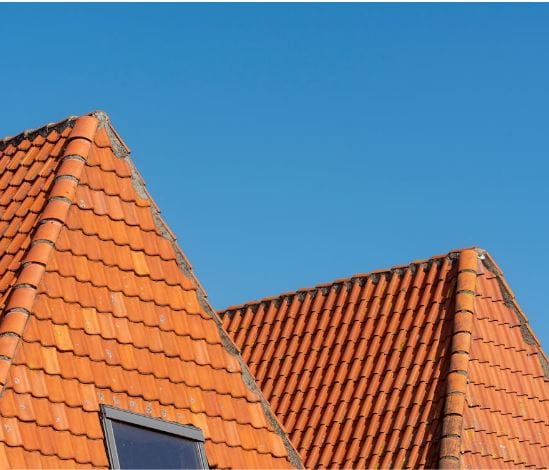
Modern properties require smart solutions to maintain structural health and long-term value. Selecting a proper roof setup involves looking past basic aesthetics.
Property owners now look for systems that lower energy consumption and resist tough weather patterns. Combining style with practical utility protects the entire building investment.
Modern Roofing Standards for Homeowners
Upgrading a residential exterior involves selecting the right blend of materials and skilled execution. Home designs shift constantly, meaning roofing strategies must adapt alongside them. A sturdy setup prevents structural degradation from heavy rain and wind.
Property owners find that investing in high-grade protection pays dividends across many seasons. A modern setup provides security and stabilizes the internal climate of the building.
Choosing a Qualified Contractor for Your Regional Climate
Finding the right team to install your system requires careful vetting of local options. You can find excellent support, whether you work with a roofing company in Wisconsin, Racine, or anywhere else local to handle the job. Local teams understand specific regional weather patterns and building codes perfectly.
Experienced workers understand how freezing temperatures impact specific shingle materials. They can recommend setup variations that prevent common leaks during heavy winter snows. This localized expertise saves money on future repairs.
Local contractors are familiar with permit requirements and inspection processes in the area. Checking references, licenses, and warranty options can provide additional confidence before making a decision.
A reputable team will explain the project clearly and provide a detailed estimate before work begins. Choosing a qualified contractor helps guarantee the roofing system remains durable, efficient, and prepared for local weather challenges.
Energy Efficiency and Reflective Surfaces
Controlling indoor temperatures starts at the very top of the building structure. Light-colored materials reflect solar radiation away from the attic space. This reduces the burden on cooling systems during hot summer months.
A government energy report states that white roofing products stay coolest in the sun by reflecting about 60% to 90% of sunlight. Lowering energy consumption helps reduce utility bills during peak summer heat waves.
Reflective roofing materials can help extend the lifespan of a roof by reducing heat-related expansion and contraction. Cooler roof surfaces contribute to more consistent indoor temperatures throughout the day.
Many modern products combine reflective properties with durable coatings that resist weathering and UV damage. Improved energy efficiency may lower long-term operating costs for both residential and commercial properties.
Investing in reflective surfaces supports greater comfort, reduced energy use, and more sustainable building performance.
Green Roofing and Stormwater Management
Vegetative setups offer unique environmental advantages for urban buildings. These setups manage heavy downpours by absorbing water directly into soil layers. Property owners select these structural options to improve localized drainage networks.
Industry guides outline how these systems perform during wet seasons:
- Vegetative structures retain 70% to 90% of precipitation during summer months to control urban runoff.
- These setups use natural rainwater for irrigation needs, minimizing the demand for potable water.
Property managers appreciate how these green systems protect underlying roof membranes from UV radiation. The layer of soil and plants acts as a shield against extreme weather fluctuations. This protection extends the lifespan of the roof structure.
Contemporary Market Shifts and Materials
Current construction trends favor sustainable options that mimic traditional styles. Homebuilders see rising consumer interest in earthy colors and natural textures that blend with the environment.
An industry market update reports a 1% increase in single-family home building alongside clear customer preferences for natural looks. Homeowners want durability without sacrificing the visual appeal of their properties.
Solar technology is another area seeing rapid integration into modern structural designs. A statistical forecast indicates that solar-integrated roofs will achieve a 15% market share by the year 2030. These sleek panels capture clean energy without requiring bulky traditional frames.
Advanced Technology in Roofing Operations
Technology influences how modern contractors evaluate and execute installation projects. Digital tools allow teams to measure steep pitches safely from the ground.
A regional trade association shared that 40% of contractors utilize artificial intelligence in their daily operations, up from 29% just one year prior. Accurate digital planning leads to fewer material estimating mistakes.
A university research update highlighted a pilot agrivoltaic system: solar panels paired with planters beneath them to investigate how sunlight can be shared between energy generation and plant growth.
This type of dual-use configuration maximizes the utility of limited urban rooftop space. Property owners can harvest clean electricity and simultaneously cultivate vegetation.
Choosing a modern roofing approach protects your home and supports smart resource management. From reflective shingles to advanced solar systems, the options cater to diverse property needs.
Working with skilled teams helps you select the ideal design for your local climate. Investing in premium materials secures your property value for decades to come.