How to Clean an Exterior Door Handle with Baking Soda: A Professional Deep Clean Guide
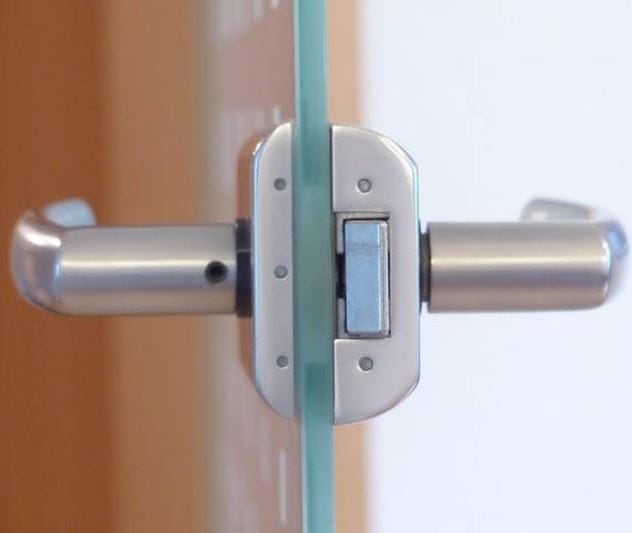
Exterior door handles are among the most frequently touched surfaces in any home, yet they are often neglected during routine cleaning. Over time, they accumulate oxidation, calcium deposits, hard water stains, and dirt-body oil composites. While commercial cleaners exist, sodium bicarbonate (baking soda) offers a non-toxic, non-abrasive, and highly effective solution—provided you use the correct technique.
This guide provides a chemical-mechanical methodology for restoring exterior door handles using baking soda, including a comparative analysis against conventional cleaners.
Why Baking Soda Works for Exterior Hardware
Baking soda (NaHCO₃) operates on three cleaning principles:
- Mild Abrasion: Its 0.05mm particle size removes oxidation without scratching chrome, brass, stainless steel, or nickel finishes.
- Alkalinity (pH ~8.3): Neutralizes acidic grime (fingerprint oils, airborne pollutants).
- Effervescent Action: When mixed with an acid (vinegar), it produces carbon dioxide gas that lifts microscopic debris from crevices.
Materials Required
| Item | Purpose | Professional Alternative |
|---|---|---|
| Baking soda (fresh) | Primary abrasive & alkaline agent | Calcium carbonate powder |
| Distilled white vinegar | Acidic reactant for stubborn deposits | Citric acid solution (5%) |
| Distilled water | Vehicle for paste formation | Deionized water |
| Soft-bristled toothbrush | Crevice penetration | Detailing brush (nylon) |
| Microfiber cloth (x2) | Application & polishing | 300-400 GSM detailing cloth |
| Automotive wax (optional) | Post-cleaning sealant | Ceramic coating wipe |
Step-by-Step Procedure: The Paste-React-Polish Method
Step 1: Pre-Rinse & Surface Assessment
Remove loose dirt using a garden hose or damp microfiber cloth. Assess the handle material (see table below). Do not use this method on unsealed wrought iron or lacquered brass with existing flaking.
Step 2: Prepare the Baking Soda Paste
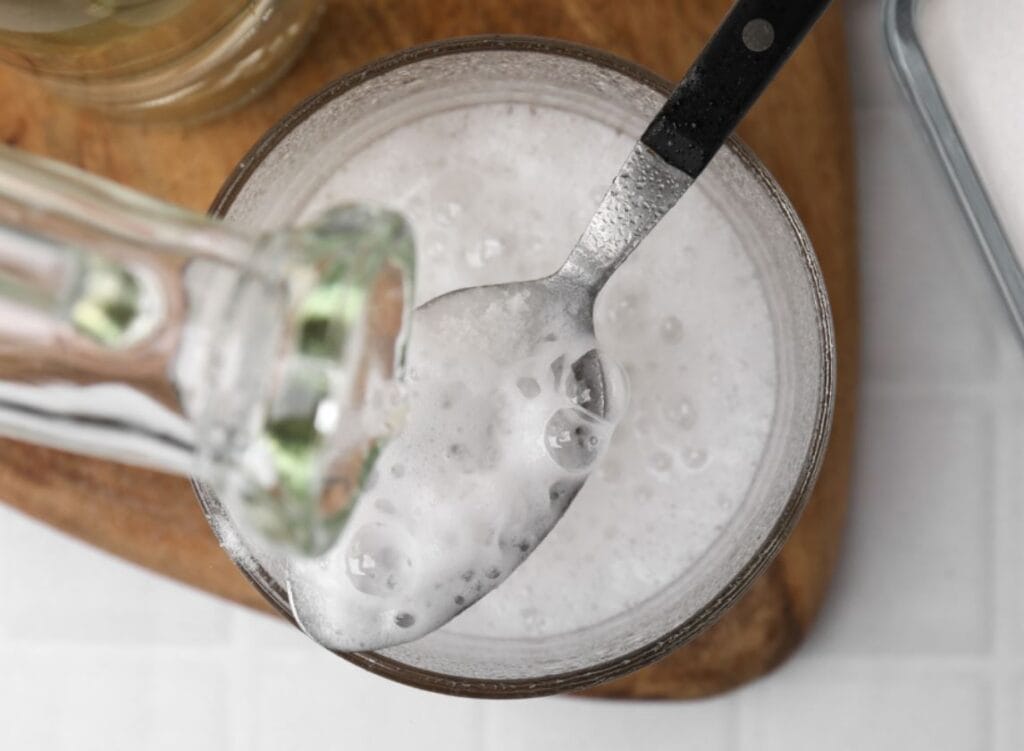
In a non-reactive bowl (glass or ceramic), combine:
- 3 parts baking soda
- 1 part distilled water
Mix until a spreadable, toothpaste-like consistency is achieved. The paste must hold its shape without running.
Step 3: Apply & Dwell
Using a gloved finger or soft cloth, apply a 3mm layer of paste over the entire handle, including the latch and base plate. Allow it to dwell for 5 minutes—no longer, as excessive drying can cause water spots.
Step 4: Activate for Mineral Deposits (If Present)
For white, crusty deposits (calcium/lime):
- Spray distilled white vinegar lightly over the paste.
- Observe effervescence (fizzing). This reaction neutralizes hard water scale.
- Allow to bubble for 90 seconds. Note: Do not use vinegar on brushed nickel or uncoated aluminum.
Step 5: Agitation
Dip the soft-bristled toothbrush in distilled water. Using circular motions at 20-30 PSI pressure, work the paste into:
- Keyhole surrounds
- Hinge pin gaps
- Texture patterns (e.g., brushed stainless steel grain)
Step 6: Rinse & Neutralize
Rinse thoroughly with a wet cloth or low-pressure hose. Residual baking soda left to dry will appear as a white haze. Use a second cloth dampened with distilled water for final wipe-down.
Step 7: Dry & Seal
Dry immediately with a clean microfiber cloth (prevents new water spots). For lasting protection, apply automotive wax to non-plated metal handles.
Compatibility Matrix: Baking Soda vs. Materials
| Door Handle Material | Baking Soda Paste | With Vinegar | Recommended Dwell Time | Post-Care |
|---|---|---|---|---|
| Brass (polished) | Yes | No (removes lacquer) | 3 min | Brass wax |
| Brushed Nickel | Yes | Never (causes pitting) | 2 min | Dry immediately |
| Chrome | Yes | Yes (light spray) | 5 min | Glass polish |
| Stainless Steel (grade 304) | Yes | Yes | 5 min | Mineral oil wipe |
| Uncoated Aluminum | Yes | No (oxidation reaction) | 3 min | Clear coat spray |
| Oil-Rubbed Bronze | No (removes patina) | No | N/A | Soap & water only |
⚠️ Critical Warning: Do not use baking soda on powder-coated or painted handles that have existing chips. The abrasive particles will infiltrate the chip and undercut the paint.
Comparative Analysis: Baking Soda vs. Chemical Cleaners
| Criteria | Baking Soda Method | Commercial Abrasive Cream (e.g., Bar Keepers Friend) | WD-40 Specialist |
|---|---|---|---|
| Abrasiveness (Mohs scale) | 2.5 (very soft) | 3.5–4.0 (can etch) | Non-abrasive |
| Safety on brass/chrome | Excellent | Moderate (risk of micro-scratches) | Good (but oily) |
| Toxicity | Zero (food-grade) | Moderate (oxalic acid) | Low (petroleum) |
| Mineral deposit removal | Good (with vinegar) | Excellent | Poor |
| Post-cleaning residue | Water-soluble powder | Requires neutralizing rinse | Oily film |
| Cost per use | ~$0.05 | ~$0.30 | ~$0.75 |
Troubleshooting Common Issues
- White residue after drying: You did not rinse thoroughly. Re-wipe with 1 part vinegar to 10 parts water, then dry.
- Handle looks dull: The baking soda removed oxidation but not sealant. Apply a metal polish (e.g., Flitz) or automotive wax.
- Gritty feeling remains: Hard water scale requires a second vinegar spray. Repeat Step 4 without additional baking soda.
- Black streaks on aluminum: You used vinegar. Neutralize immediately with a baking soda paste without acid, then rinse.
Maintenance Schedule for Exterior Handles
- High-touch (front door, side gate): Clean with baking soda paste monthly.
- Low-touch (garage man door): Clean bimonthly.
- Coastal environments (salt air): Clean every 2 weeks; seal with carnauba wax.
Final Professional Verdict
Baking soda is an optimal first-line cleaner for 80% of exterior door handle materials. It outperforms general-purpose sprays on oxidation and hand oils while costing less than $0.10 per application. However, for heavy rust or failed clear coats, graduate to a chemical rust remover after testing in an inconspicuous area.
Key Takeaway: The “paste → dwell → soft brush → immediate dry” sequence is non-negotiable. Skipping the drying step will deposit alkaline minerals that attract new dirt within 48 hours.